

Coping with Pet Loss: Practical Tips for Healing and Grief Recovery
Losing your pet can be an excruciating experience and coping with it will be a complicated process. The most important things that you can do are to give yourself time to go through this process and to embrace what you are feeling instead of bottling up inside. We have some tips on how to cope with pet loss that could prove useful if you are dealing with such an unfortunate situation.

Please note that this article may contain affiliate links. That means that if you buy something, I may earn a small commission. You can read my full disclosure at the bottom of the page.
Why Does Losing a Pet Hurt so Much?
Losing a pet means losing one of your closest friends and companions. It means losing a friend who has shown genuine affection to you for a long period of time, and with whom you have had a strong connection.
Caring for a pet is commonly viewed as a lesser feeling, even in our modern society, and losing a pet is considered to be the equivalent of losing an object. But for pet owners who truly love their animals, this could not be further from the truth, which makes the pain of losing their animal companions a very real one. Since the connection is real, so is the loss, and so is the pain.
The nature of the pain and its intensity depend on a wide range of factors, such as the age of the animal, the closeness of your relationship, the duration of the relationship, the circumstances of the animal’s death, etc. Defining it is an intimate process because the pain is a very personal experience. It is up to you to explore in order to seek out your resolution.
Take a look at what our Floppycats’ readers had to say about their own experiences with losing a pet.
The Grieving Process
Losing a pet is a traumatic experience and after the initial shock and coping with that, most people want to skip the aftermath, which is the grieving process, and be ok in the blink of an eye. Unfortunately, no matter how much we may want to fast forward the grieving process, it will happen gradually.
This is why the best thing we can do is accept the situation and embrace what’s coming our way. There is something to learn from any experience and this one is bound to bring out some important things to light. The process of grief encompasses five stages: denial, anger, guilt, depression, and eventually, acceptance. Here are a few things you should keep in mind:
The details of these stages depend on your personal experience. Be aware of the stages and explore your array of feelings. Keep in mind that you are entitled to express yourself emotionally and feel all of these things as you are mourning the loss of your pet.
You cannot skip from one step to another. – Even if you recognize one of the stages and consider that you have gone through it, you can’t skip to the next one when you would like. The pattern of the grieving process does not follow a mathematical equation and it differs from one person to another.
Patience is the key in coping with grief – As you go through the process, you must be patient with yourself and allow the stages to unfold as they do. There is no timeline and there is no deadline and the sooner you let go and accept that, the easier it will be.
Tips on How to Cope with the Grief of Losing a Pet
As you go through the grieving process, there are things that you can do that will help you along the way and others that will slow you down. Here are a few suggestions of things that could make it easier for you:
- Letting others define your feelings can be damaging. – It is not up anybody else to decide how much the loss of your pet can affect you. Your feelings are your own and you shouldn’t let others set limits to your grief. If anybody says things like “You can always get another cat!” or “Get over it! It was just a cat!”, it is your right to ask them to keep their comments to themselves.
- Acknowledge the pain you are feeling. – The pain of the loss is very present, so acknowledge it, but set it aside so that you can move on with your life. You can feel the pain without letting it get your full stream of consciousness. Think to yourself “Yes, it hurts, I am aware, but there is more than this that I can feel. I can be aware of the pain, but still enjoy drinking a cup of coffee with my friend.”
- Speak to a therapist. – When dealing with a difficult moment like this, speaking to a professional might provide the guidance you need to overcome it. If you are already working with a therapist, then make sure to talk about what you are going through during your sessions.
- Talk to people with whom you are comfortable with. – It is entirely up to you if you want to talk to other people about what you are feeling in these difficult moments. Communication can be very beneficial, but not if it is forced. Talk to your friends, with people you feel very comfortable with about what you are going through and let it out.
- If you don’t feel like talking to people, write about your feelings in a journal. – It can be very liberating to let out some of your feelings and if you don’t want to talk to anybody about what you are going through, you can keep a personal journal. By writing things down, you can be free of them, which is very important for your journey.
- Have a farewell ritual to get the closure you need. – Since your pet was your friend, a member of your family, it is only natural to have a ritual to say goodbye. Whether you choose a burial or a cremation, you should take a moment and acknowledge that you are saying farewell.
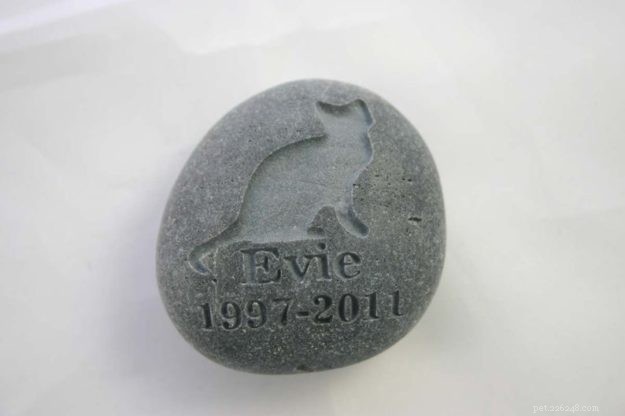
- Make your own memorial. – Chose something that will remind you of your pet. This could be the place of burial, the box with its ashes, a photo album, a tree that you have planted where its body was buried, or anything else that you choose. The important aspect is that you feel connected to this memorial.
What To Do When Others Devalue Your Loss
When grieving for a pet it is almost inevitable that you will hear “Why are you so devastated? After all, it was only a cat! You can always get another!”. The obvious reaction would be to start an argument with the people who say this and explain to them why they are wrong. But keep in mind that it is not their call to decide if your pain is appropriate or not.
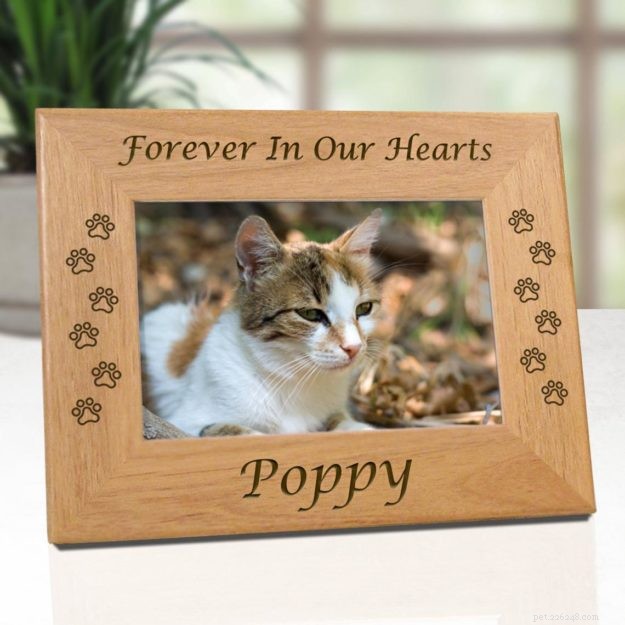
People may have such reactions if they do not have pets of their own or if they simply do not appreciate the type of connection you can build with an animal. Instead of holding that against them, which you are prone to doing since you are in a vulnerable state, point out to them that you simply feel differently about the matter.
You may even get such reactions from friends or even family. You should try to connect with people who have pets or who can understand the magnitude of your grief. Another alternative is speaking to a therapist, who is not personally invested in the matter, but who can help you get through the process.
Is The Grief the Same for Everybody?
No, it is definitely not. The grieving process is a very personal experience, which makes it different for everybody going through it. The closer you are to your pet, the more impacting its loss will be. For some people, however, it may be more difficult to cope with the loss.
How to Help Children Cope With Losing their Pet
Losing their pet can be a devastating experience for a child, so it should be taken very seriously. Parents should try to be by their side during the process and help them cope with the pain. Here are a few tips on how to do that:
- Be honest to the child about what is happening. – Some parents want to protect their children from the pain and tell them stories like “We took your kitty to a farm where it has more place to play”. While this seems to be a way to reduce their pain, it can create a different kind of trauma because they cannot get the closure they need.
- Explain to the child exactly what is happening to involve him or her.
Tell the child that it is normal to grieve. – Reassure the child that his or her feelings of pain are normal in this situation and be supportive. Just like it happens with adults, other people can tell the child that he or she is overreacting to losing a pet. Make sure to explain that this is not the case.
- Involve the child in the farewell ritual. – That moment of closure is also very important for children, so it is extremely beneficial to involve them in the goodbye ritual. Help them acknowledge the moment when they pay their goodbyes so that it can be a clear-cut moment.
- Encourage the child to have a personal memorial. – As we have mentioned above, memorials are very important. They are positive ways of remembering a pet, which is something that a child needs after losing a pet. The child should be the one who chooses the type of memento he or she wants. Moreover, it can be very helpful to involve him or her in the process of making this memento.
- Do not rush the child into getting a replacement pet. – Seeing a child suffer is difficult and parents would do anything to spare them from this. This is why they usually suggest replacing the pet hoping that this will make things better faster. But children have to go through the grieving process as well, so replacing the pet before this has happened can make this more difficult.
Tips for Seniors Who Lose Their Pets
Seniors usually have a very close relationship with their pets and spend a lot of time with them. For some of them, their pets are their sole companions and taking care of them is their main activity, which is why losing the pet will be very damaging.
Moreover, it can be a very important trigger for them that brings about other emotions as well. All the tips we’ve mentioned above for coping with the grief apply in this case as well, but here are a few extra:
- Speaking to a therapist can be very helpful. – Coping with this type of trauma can be extremely difficult and talking to a specialist might shed some light on the path.
- Keep busy and engage with other people. – Losing a pet will disrupt the daily rituals, which becomes very noticeable when you only have that to focus on. Keeping busy and spending time with friends might make things easier for seniors.
- Exercise can actually make a difference. – Taking care of pets means doing some exercise as well, so when they are gone, the habit will disappear as well. Seniors can sign up for dance classes or sports classes, which could help them on multiple levels. Staying social and getting exercise will help with the depression and finding an activity to look forward to might ease the grieving process.
- Volunteer at an animal shelter. – Being around animals can help with the grieving process. While it might be too soon to get a new pet, engaging with other animals without taking on the responsibility of becoming their masters could prove to be useful.
Losing a Pet in a Household With Other Animals
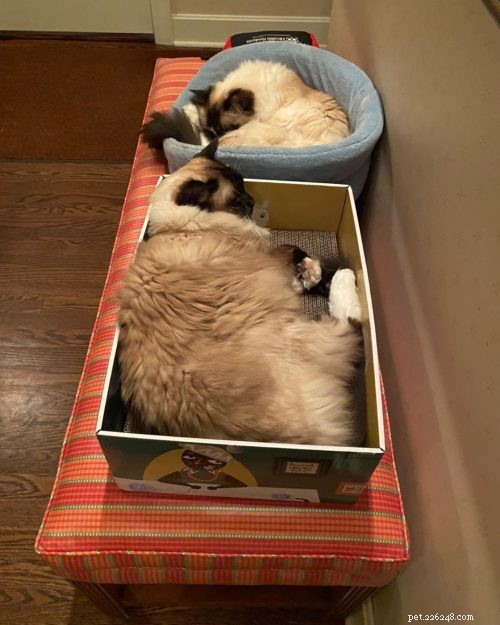
If you have more pets in the house and one of them dies, the others are certainly going to feel it as well and they will have a reaction to it. Cats can be deeply impacted by losing their companions and you have to help them as much as you can.
Animals Grieve as Well
When their companions die, animals also go through a grieving process, which is usually very noticeable. Here are a few of the things you can expect:
- They are going to look for their companion and call for it.
- They may refuse to eat.
- They may be lethargic and depressed. What you can do to help them is maintain a normal ritual and maybe even try to engage them in more activities. Be loving to them and try to comfort them as they are grieving. Don’t force them to connect if they refuse, but give them the opportunity.
Euthanasia – Getting Over the Trauma
Taking the decision to euthanize your pet is nothing like putting your pet to sleep. It is an extremely difficult decision to make and it can be a very traumatic experience. When an animal gets sick and there is nothing that the doctors can do for it anymore, they can at least end its suffering in a humane way, but it is your call when that happens and it is an enormous responsibility.
It is all too easy to get rattled up with guilt after the euthanasia. Maybe there was something else you could have done, another doctor you could have taken the animal to, maybe you could have waited a bit longer and your pet would have been fine.
Or on the other hand, you could feel guilty that you have waited too long to do the euthanasia. All of these are normal thoughts because and they are nothing more than the aftermath of the decision you have made.
Keep in mind that you can always go back and talk to your pet’s doctor, just in case the facts of the case are not clear to you anymore and you want to be reassured that the euthanasia was necessary.
- Pet Behavior
- Pet Breeds
- Pet Names
- Pet Adoption
- Pet Training
- Cat Stories
- Pet Health
- Adorable Pets
- Cats
- Coping With the Loss of a Beloved Pet: A Compassionate Guide
- Safe Pet Bathing with Palmolive: Expert Tips & Alternatives
- How to Support Senior Dogs Experiencing Hearing Loss: Practical Care Tips
- Coping After Losing Your Dog: A Compassionate Guide to Healing
- Navigating Grief: How to Cope After Losing Your Beloved Pet
- Coping with Cat Loss: Expert Tips for Healing After Your Feline Friend's Passing
- Navigating Grief After Losing a Dog: Compassionate Support & Healing Steps