

The Complete Guide to Caring for Your Kitten or Cat
How to care for a kitten or a cat? There are many things that contribute to your cat’s well-being and ensure her health from day one so that she adapts well to her new home.

Important elements
When you first bring your cat home, you need a foundation. These are the things:
Bed: This means a comfortable bed where the kitten or cat will feel comfortable and safe. Lift it off the ground, preferably somewhere where the kitten will feel safe, away from any drafts or places with too many aisles and action.
Litter box: this should be deep enough and with a small spatula to remove the feces. But not too deep so that the kittens do not want to use it.
Water Bowl: Your cat should always have a bowl of fresh water. Water fountains are an alternative to bowls because cats are known to love movement and this encourages them to drink more.
Food bowl: You should make sure you have a small bowl for small feed that is far enough away from the water bowl so that it does not become dirty. Toys can also be used to place food, especially if the cat lives indoors. To give it mental and physical stimulation in line with the natural hunting instinct. It will take some time for your cat to learn to use them.
Cat Tree: An accessory that is pleasant and beneficial to your cat and will allow it to safely claw its nails, climb and hide, and contribute to the positive well-being of your cat by supporting its natural instincts.
It is recommended to have more than one of each of these items. Arrange them around the house so that you can offer your cat a choice and allow her to find a quiet space away from visitors or famous noise.

Environment
The environment is an important part of your cat’s health and well-being. A supportive environment is one in which a cat can socialize safely without too much trouble, and this will help her get used to people and the things around her.
How to care for a kitten or a cat? From an early age, your cat will identify and mark its territory. This is where she sleeps, plays, hunts, feeds, hides, climbs and is hugged. In your home, your cat organizes its life into four different areas that need to be followed to avoid behavioral problems, especially for indoor cats.

Dining areas
They should be in a quiet place, away from the litter box and your dining area. It is better to avoid the dining room or places where they may be disturbed and give your cat plenty of space to feed.
Rest area
This place depends on the sun and heat sources during the day. By nature, cats like to sleep high and often choose the place that works best for them, so make sure your cat has plenty of free space to choose from.
Hygiene area: The litter box should be installed somewhere in a quiet place and should always be accessible to your cat, away from her food bowl and places where there is a lot of walking. Choose a place carefully to avoid a source of stress: Of course, cats do not go into a litter box next to the washing machine and do not get dirty. It is recommended that each cat have at least one litter box, and one additional one will give them more choices and avoid various problems.
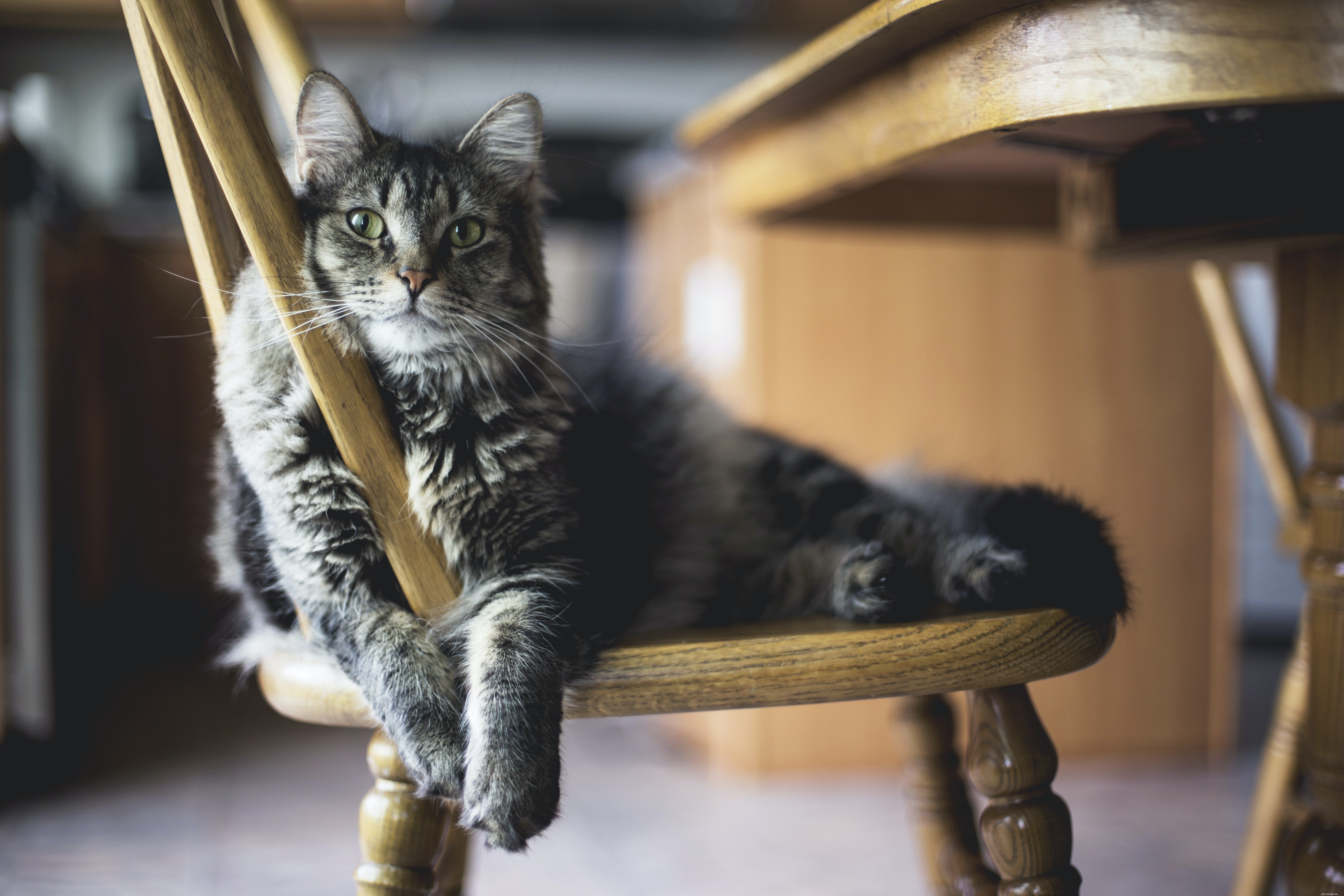
Playground
How to care for a kitten or a cat?
This is the largest living space and rest area for your cat. It has to be a place where she can run, hide or jump high. Cat trees are a great addition to encourage these activities and support the health and well-being of your cat.
Exercise
How to care for a kitten or a cat?
How to care for a kitten or a cat? Indoor cats need a lot of activity to be physically and mentally stimulated. It means:
- Many toys that need to be replaced from time to time to keep them interested;
- Objects for climbing and hiding them;
- Regular games with the family every day.
Because they take more care of their fur and tend to move less, indoor cats, especially those with long hair, need a diet that can help remove tufts of fur and reflect their lower activity.
You may not like the mark your cat can leave on your furniture or walls. However, nail sharpening is a natural behavior, so it’s important for your cat to be able to do it. Plan to have at least one nail sharpening pole.
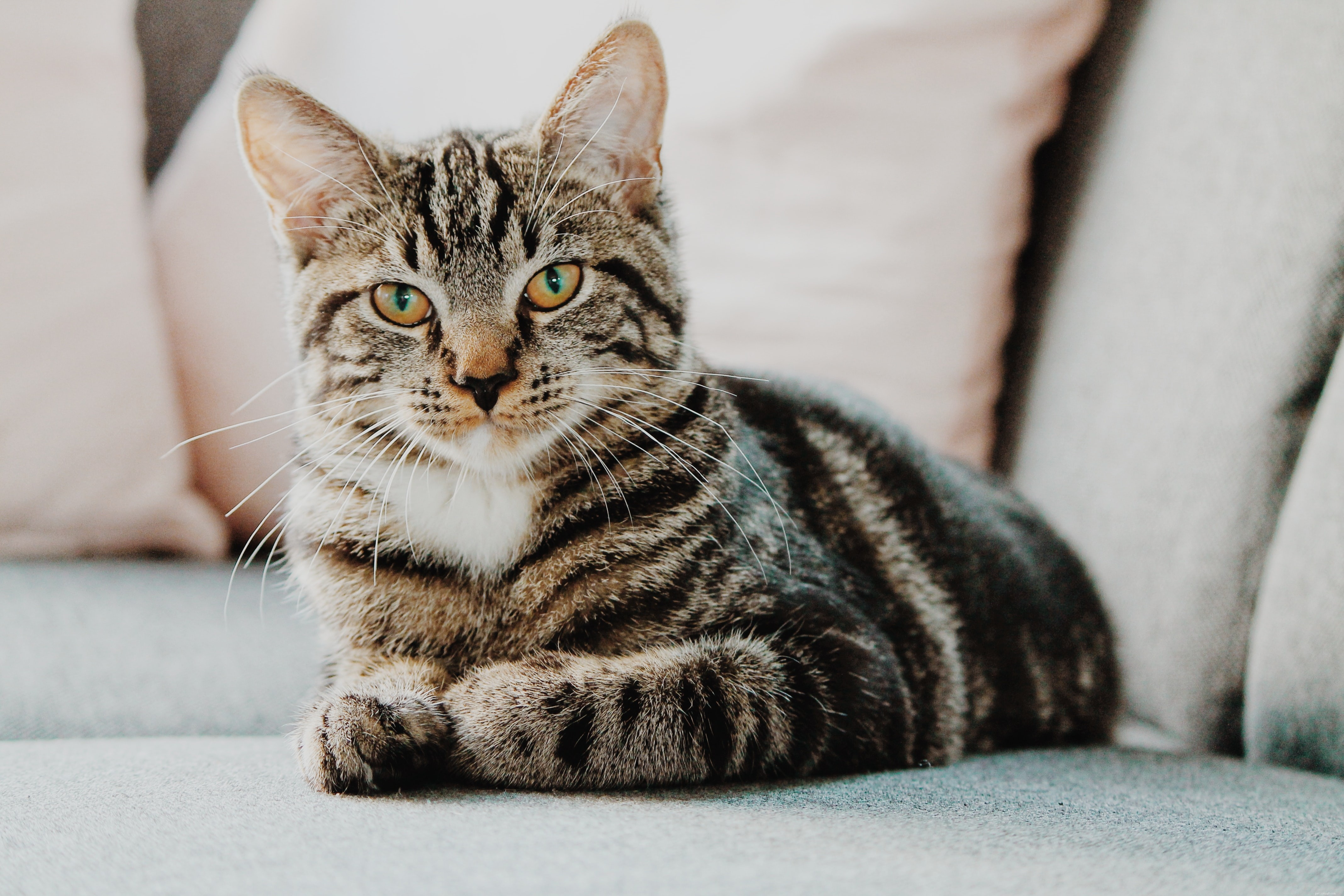
Food
How to care for a kitten or a cat?
Pet cat food depends on several factors. Cats want to eat in a quiet place, away from eyes and predators, with a clear escape route.
Only high-quality foods specially prepared for cats can guarantee all the nutrients they need to stay healthy.
While a variety of diets are beneficial, frequent and permanent changes are not suitable for a cat’s digestion.
Toys for putting food are a great way to give your cat mental entertainment and encourage her to work for her food and use her hunting instincts.
Hunting behavior plays a significant role in cat eating – they tend to eat small amounts several times a day rather than eating large amounts of food once or twice.
Cats have a very high need for protein, including many essential amino acids. One of which is taurine, found naturally only in animal tissues.
Fat is an important source of energy for cats, with more calories than recommended daily for humans.
Cats also have very special requirements for vitamins and minerals. Such as vitamin D, which they can only get from food.
As a newborn, your kitten’s digestive tract is great for digesting milk specifically designed for kittens, but their digestive properties will change and as the kitten grows, he will no longer be able to digest lactose.

Fur care
How to care for a kitten or a cat?
To make the fur look more beautiful, combing gets rid of dead hair. The advantage of combing is that washing your cat (this activity takes an average of 30% of your cat’s time) will ingest less hair, which gets tangled in balls and can cause indigestion.
Longer hair cats, such as Persian, need to be thoroughly combed daily with a quality comb.
Short-haired and smooth-haired cats (such as Siamese or Abyssinian cats) only need a few firm flicks of their hand.
It is recommended to comb medium-length hair or thick-skinned cats (such as Maine Coons or exotic cats) with a soft brush once a week.

Dental care
How to care for a kitten or a cat?
From a young age, it is important to take care of your kitten’s oral condition.
When the kittens are taken home, they will still have milk teeth. Milk teeth are quite brittle, so kitten food should be softer and easier to buy than mature cats.
The structure of some wet foods for kittens is specifically tailored to their sensitive teeth.
Tooth cleaning is the most important means of ensuring oral hygiene. It is recommended to use a special cat toothbrush and toothpaste.
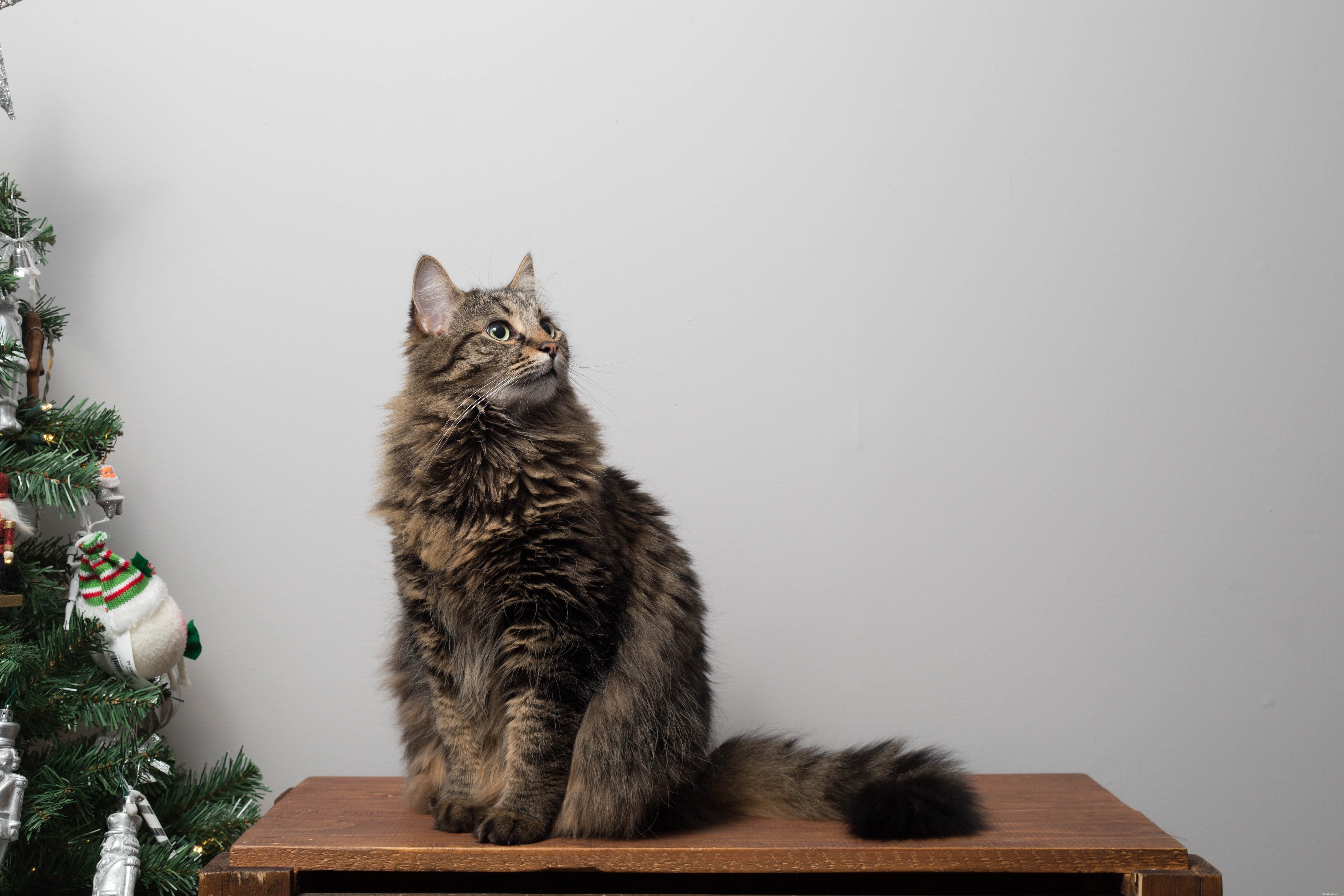
Health
How to care for a kitten or a cat?
A cat’s health and well-being depend on a variety of factors. It can start from pills to insurance and even whether the cat has been neutered. Some of these costs are incidental, while others need to be included as part of the current budget alongside food and fur care.
Marking the chip is the painless insertion of a chip under the neck area under the neck that can be scanned by a hand-held scanner by a veterinarian or cat shelter. This procedure may be carried out by a veterinarian during any visit to him.
It is important to protect your cat from fleas, worms and ticks. A good breeder starts applying parasite prevention from the start of a cat’s life. Most shelters also provide the necessary protection against worms and fleas for all the animals in their care. It is important that where you pick up your kitten or cat. You need to ask what preventive measures have already been taken for the animal.
Sterilization is one of the most responsible decisions that pet owners have to make. Cats are usually neutered at any time from about six months of age.
It is important to visit a veterinarian every year to prevent health problems, control changes in weight and behavior.

Training
How to care for a kitten or a cat?
Most of a kitten’s upbringing takes place during the first six months of his life. How a kitten learns to behave is basically learned during the first three months of life.
This means that when you bring your kitten home, your ability to contribute to the basics of training is limited, but you are still responsible. Your job is to complete the training and change the unwanted behavior in the new environment.

Insurance
How to care for a kitten or a cat?
Insurance gives you a sense of peace so that you can take care of your cat’s needs in a crisis situation.
Pet insurers offer different levels of insurance. The cost of insurance depends on your cat’s age, breed or size and type.
Find the right insurance for yourself and your kitten:
- Compare offers online;
- Ask your vet;
- Look in pet magazines.
Preparing to keep a cat or kitten at home can seem like a huge job, but getting started properly will help your pet adjust to their new home and ensure his or her happy and healthy life.

- Pet Behavior
- Pet Breeds
- Pet Names
- Pet Adoption
- Pet Training
- Cat Stories
- Pet Health
- Adorable Pets
- Cats
- Expert Guide to Caring for Your Senior Cat: Health, Comfort, and Longevity
- Essential Care Guide for Hairless Cats: Health, Grooming, and Lifestyle Tips
- Caring for a Blind Cat: Tips for a Healthy, Happy Life
- Comprehensive Guide to Caring for a Pregnant Cat
- Essential Guide to Caring for Your Cat: Longevity & Wellness
- Comprehensive Guide to Caring for a Pregnant Cat
- Essential Guide to Caring for Your Cat: Health, Nutrition, and Happiness