

Felinotherapy: Proven Cat-Based Therapy for Stress Relief and Well‑Being
Felinotherapy – treatment for cats has long been known that being with a cat, caressing it has a positive effect on people’s health and well-being. It allows you to forget about everyday problems. It has been shown to have sedative, antidepressant and relaxant effects in people who are stressed, suffering from chronic fatigue or insomnia. However, these are not all the benefits of felinotherapy.
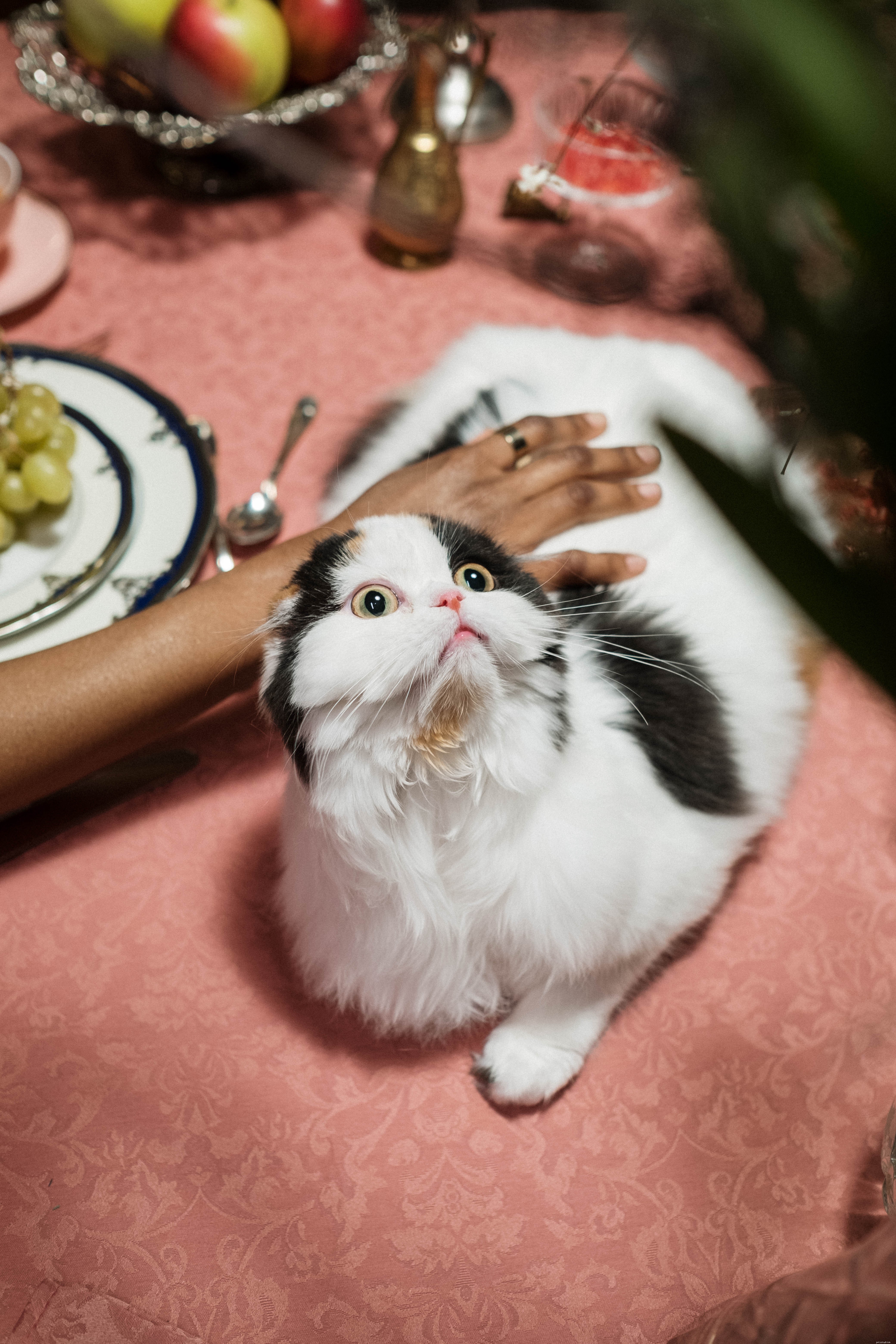
What is felinotherapy?
Felinotherapy treatment for cats, this is a young field of animal therapy. Therapeutic activities and mental and physical rehabilitation for people in need of assistance in the presence of animals. This type of therapy has not yet become popular in Lithuania. Great Britain, the USA and Sweden it has been a well-known activity in prisons, nursing homes and hospitals for several decades.
Cat therapy is best recommended for the elderly, the disabled, the lonely, those experiencing high and frequent stress. It can be run individually or in small groups of several people. Outgoing activities are also increasingly offered, but they are directed to special places – nursing homes, orphanages, hospitals.
Felinotherapy in theory and practice
Felinotherapy treatment for cats. There are two types of treatment for cats: Animal Assisted Therapy (AAT) and Animal Assisted Activities (AAA). AAT sessions are always the same, are scheduled from start to finish, and are more serious and formal in nature. On the other hand, AAA, or an activity involving animals, means bonding with a cat, having fun, caring, learning, and talking about cats at the same time, with the goal of lifting the patient out of his world.
Such activities are often combined with music therapy, drawing or librarianship. For people diagnosed with autism, treatment with AAT in cats is more recommended. Meetings usually last one hour. The first is shorter and involves only introducing the cat to your future friend.

Felinotherapy courses or training
Felinotherapy – treatment for cats. Both the caregiver and the feline therapist must be certified and pass the tests. In Poland, for example, this is possible in several foundations and felinological organizations. The price ranges from 375 to 625 euros. The test the cat has to perform simulates the conditions of future work – noise, jerking movements, the presence of strangers and caresses.
In order to obtain a certificate, the cat must be 1 year old, a certificate from a veterinarian of the very good physical and hygienic condition of the cat, as well as a valid vaccination and killing book. A cat therapist can perform his or her duties until about the age of 12 or until the condition worsens, whether mental or physical.
Who can perform therapy?
Felinotherapy – treatment for cats. A person performing therapy with cats needs to show immense patience, peace of mind, and ease of communication. The main task of such people is to monitor and control the entire meeting. The absolute requirement is to know the body language of the cat and the signals sent by the cat. Felinotherapy treatment for cats. Every nuance of a cat’s behavior, such as the position of the ears, the movements of the tail, and the dilation of the pupils, tells about the cat’s emotional state. Whether she is already tired or impatient. By capturing it in time, an unpleasant situation can be avoided. The same is true of empathy for people – a sick person may be less willing to talk or be active on a particular day.
There are no online courses for felinotherapy because of the need for practical preparation and very challenging activities.
Cat breeds for felinotherapy
Choosing a cat for felinotherapy comes with a great deal of responsibility – the patient should not be scratched or bitten. Therefore, the most important thing is that when a cat is in stressful and unforeseen situations, it reacts not by aggression, but by running. It is not clear which varieties will certainly work for felinotherapy.
Felinotherapy – treatment for cats. The inclination and character of a particular individual is very important here – even among the quietest breeds of cats, there may be poorly socialized or overly energetic and avoidant caresses. However, there are breeds that tend to be cat therapists, such as Ragdolls, Maine Coon, and Munchkin.
What cat can be treated with?
Felinotherapy – treatment for cats. You should watch from the kitten, their social behavior, obedience, willingness to seek contact with people, complete lack of aggression, calm character. The desirable trait of the animal is a gentle and stable personality, resistance to sudden changes, gestures, noise, flashes of light. It should be normal for the cat to be with braces and a leash.
Before each treatment session, the cat needs to have its nails trimmed and it can be combed during the session, so it should be enjoyed by such beauty treatments. The cat must tolerate the ride well and not be afraid of the transport box. It is important for a cat to meet a lot of new people and enjoy the guests. She should be familiar with many scents.
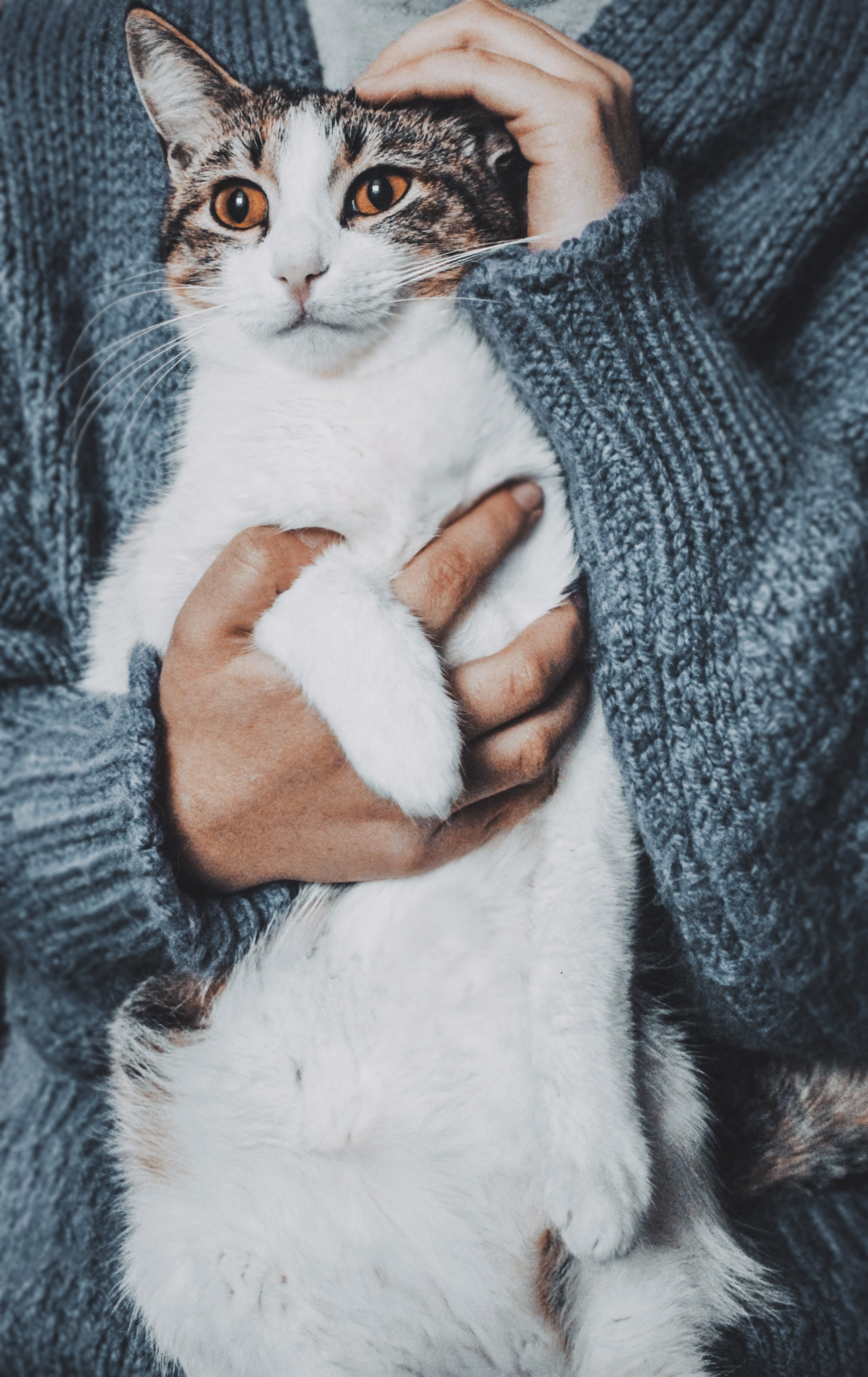
Benefits of felinotherapy
The mere presence of a cat reduces the feeling of loneliness, distracts from pain and motivates to act – no one will give up the cat’s begging eyes and gentle howls. The hilarious cat spree and play puts a smile on patients faces. As well more importantly, the syntax when speaking and commenting on the often funny actions of a cat. All of this helps to overcome insecure, trapped people who have difficulty making contact.
Children who participate in felinotherapy learn the patience, openness, empathy, responsibility, and tenderness of another living being. Activities with cats also have a positive effect on children’s emotional development, desire to learn – cat behavior, physiognomy. Older people, on the other hand, will find warmth, self-sacrificing love, and will often feel the meaning of life.
Such people find it easier to tolerate treatment and improve their mood. Petting a cat, carrying it on your hands and playing with it warms weak muscles and wrists, soothes rheumatic ailments. It has been proven that the cat’s murmur and touch and their higher than human body temperature – about 38 degrees heat, accelerates wound healing, relieves various types of pain, lowers blood pressure and cholesterol. Regular contact with a cat reduces the risk of cardiovascular disease by 3%.
Felinotherapy – treatment for cats, according to some scientists, caressing cats releases the happiness hormone endorphin in the human body. Which is probably the best recommendation for developing and promoting feline therapy.

- Pet Behavior
- Pet Breeds
- Pet Names
- Pet Adoption
- Pet Training
- Cat Stories
- Pet Health
- Adorable Pets
- Cats
- Do Cats Snore? Understanding the Facts
- Professional Cat Hospice Care: Compassionate End-of-Life Support
- Cat Kidney Transplant: Cost, Process & Success Rates
- Top Cat Puzzle Toys: Engage, Stimulate, and Reward Your Feline
- Safe Use of Benadryl for Cats: Dosage, Benefits, and Precautions
- Why Taurine Is Essential for Your Cat: Health Benefits & Food Choices
- Effective Flea Control for Cats: Protect Your Pet & Home