

Understanding and Managing Cat Vomiting: Causes, Symptoms, and Treatment
Causes and treatment of vomiting. Cats usually vomit after swallowing hair or other indigestible substances. It can be an herb that irritates the stomach. However, intestinal parasites can also irritate the stomach. Other causes of vomiting in cats include overeating or eating too fast. Little kittens can get tired of greedily swallowing food and immediately going to play. It is harmless. To keep the kittens eating calmly, feed them from different bowls, as eating from one bowl encourages competition, so either of them overeats.
If a cat vomits once or twice but looks completely healthy before and after vomiting, this is probably a minor problem and can be cured at home. Non-eating vomiting may be a sign of an infectious disease, kidney or liver function, or a disorder of the central nervous system. Or maybe the cat has panleucopenia, tonsillitis, sore throat, inflammatory bowel and stomach diseases, or uterine inflammation. If young cats are vomiting and have heat, it is most likely panleucopenia.
It is usually easy to identify what a cat is sick by observing how and when it vomits. Observe for occasional or frequent vomiting. How soon does it get after a meal? Is vomiting more common? Inspect the vomited contents for blood, feces, and other foreign objects.
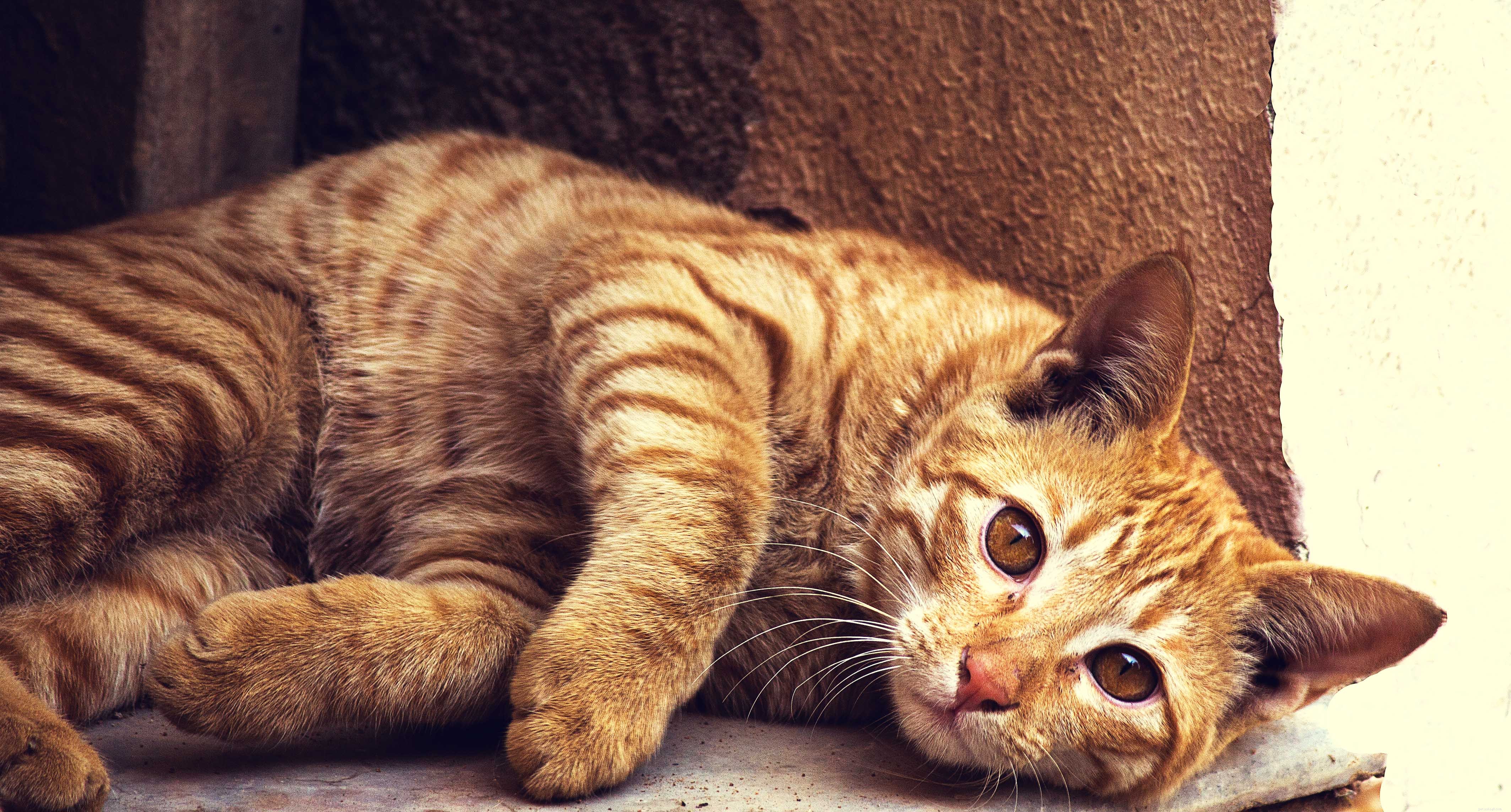
Occasional vomiting
If a cat vomits a foamy clean liquid, it is probably its own hunted prey, unbelievable to the digestive system, grass, fur balls or other indigestible things and only in rare cases can this indicate infectious enteretitis (panleucopenia) which causes stomach upset.
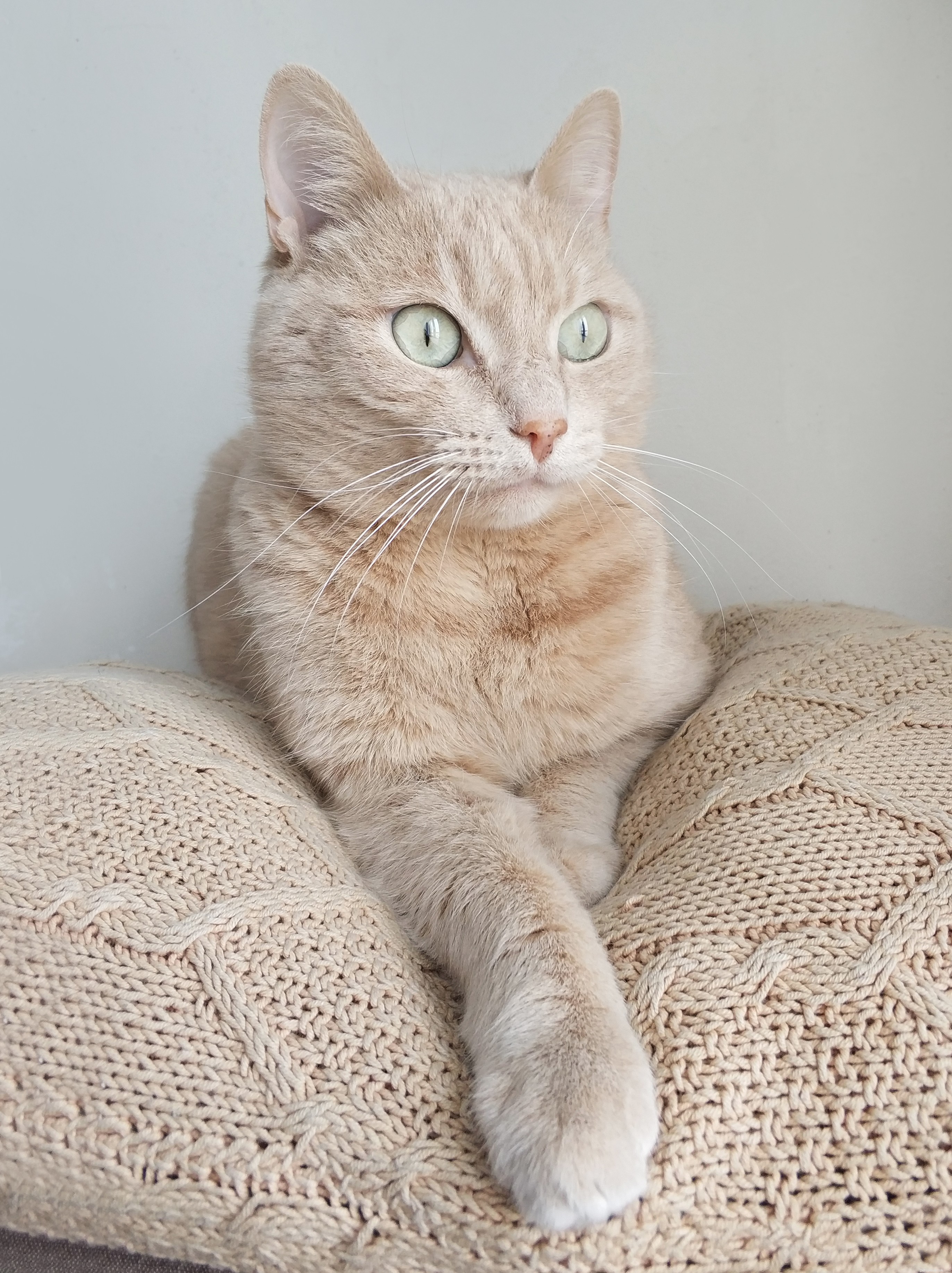
Frequent vomiting
Causes and treatment of vomiting. Sometimes a cat may start vomiting often. It has nothing to do with food. The cat lacks appetite, she looks tired and apathetic to everything. The most common of these symptoms are liver or kidney problems, chronic gastritis, inflammatory bowel disease, hair balls, parasitic intestinal worms, diabetes.
Vomiting with blood
Red blood in the vomited contents indicates heavy bleeding somewhere between the mouth and the upper gastrointestinal tract. This is usually caused by a foreign body. If the blood is digested, it also indicates bleeding somewhere between the mouth and the upper gastrointestinal tract. In each case, it is necessary to consult a veterinarian.
Stinky vomiting content
If the vomited contents have a fecal odor, it is very likely that the cat will suffer from intestinal obstruction or peritonitis. In addition, this symptom can be caused by a stomach injury. Go to the veterinary clinic immediately.
Movement-induced vomiting
This type of vomiting can be caused by foreign bodies, balls of fur, tumors, narrowing of the intestines, as well as brain damage such as tumors, encephalitis, and blood clots.
How to take care of a vomiting cat?
If there is a suspicion that vomiting may be caused by a serious illness, it is better to go to a veterinary clinic. Vomiting cats can dehydrate quickly: losing body fluids and electrolytes. If vomiting occurs along with diarrhea, the risk of dehydration increases even more. A visit to a veterinarian is also necessary if vomiting persists for more than 24 hours, if the cat dehydrates or if vomiting occurs frequently.
Treatment at home should only be given if the cat does not show any signs of health problems other than vomiting itself. Small kittens, cats, once-ill and older cats have a harder time lifting dehydration and should be taken care of by a veterinarian.
When the stomach suddenly stops functioning, all the contents are removed from it. Do not eat for at least 12 hours after removing the contents of the cat’s stomach. If the cat seems thirsty, offer to lick the ice cube.
After 12 hours, if vomiting stops, give water to shake. Electrolyte solution can be given in small amounts instead of water.
If your cat’s body takes in water, you can give meaty baby food (only lean and without onion powder). Divide the ration into six small portions for two days. After two days, return to a normal diet.
- Pet Behavior
- Pet Breeds
- Pet Names
- Pet Adoption
- Pet Training
- Cat Stories
- Pet Health
- Adorable Pets
- Cats
- Understanding Cat Anorexia: Causes, Symptoms & Effective Treatments
- Understanding Cat Scratch Disease: Causes, Symptoms & Treatment Options
- Cat Scratch Disease Explained: Causes, Symptoms, and Proven Treatment Options
- Cat Diarrhea: Causes, Symptoms, and Trusted Treatment Solutions
- Cat Diarrhea: Causes, Symptoms & Effective Treatment Options
- Cat Bleeding: Causes, Symptoms, and Treatment Guide
- Cat Acne Explained: Causes, Effective Treatments, and Prevention Tips