

Feline Panleucopenia: Causes, Symptoms, and Vaccination Strategies
Feline panleucopenia
Feline panleucopenia is caused by a small but highly resistant virus that persists in the environment for a very long time.
Feline panleucopenia is a highly contagious and extremely rapidly spreading disease. It is transmitted through shoes, clothes, utensils, loaded and bearing. The form of the disease ranges from a mild fever to an extremely severe condition where the cat can be found dead. Small kittens have the worst disease.
Apathy, high fever, lack of appetite, vomiting, and profuse watery diarrhea (often with blood) are hallmarks of this disease. If a cat survives, it will only recover completely after a few weeks, and it often infects other infections due to a damaged immune system. Kittens born to infected cats have incoordination. Vaccination against feline panleucopenia significantly reduced the incidence of this disease.
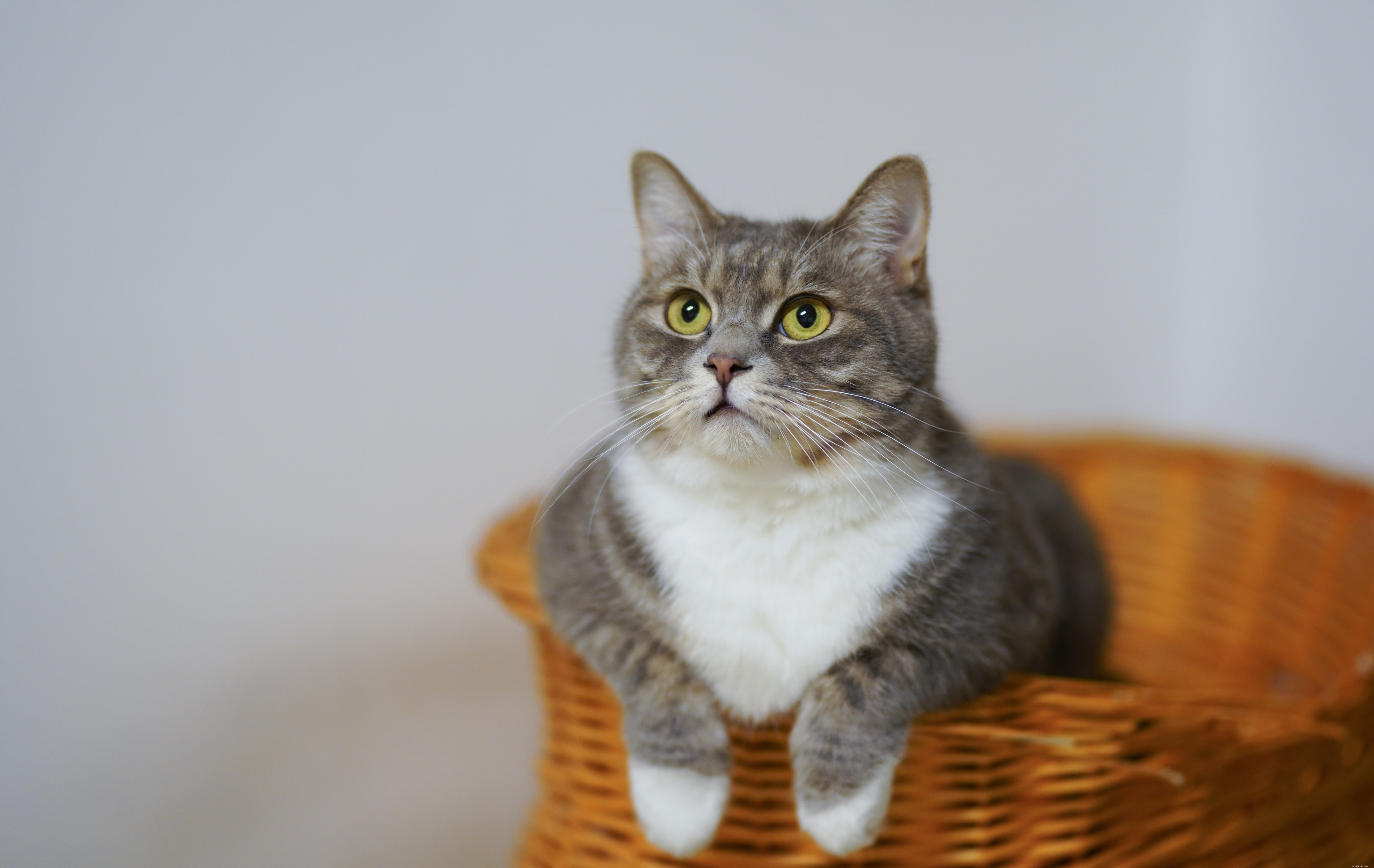
Infectious respiratory disease in cats
Infectious respiratory disease in cats is extremely common among cats, but vaccination against this disease greatly facilitates the course of the disease. In small kittens, the disease can be fatal, and healthy adult cats rarely die from it. The two main causes of this disease are feline rhinotracheitis virus (herpes virus) and feline calici virus. Bacteria such as Bordetella bronchiseptica and Chlamydia psittaci can also have a significant effect.
Cats can also get sick from one of these pathogens, and sometimes from a combination of them. These pathogens are usually transmitted from cat to cat through direct contact and sneezing. The symptoms of the disease are similar regardless of which of the pathogens causes the disease.
These include apathy, discharge from the eyes and nose, high fever, salivation, sometimes coughing or pneumonia. In addition, feline calici virus can cause painful sores in the mouth and tongue. Cats who are unable to smell or have sores in their mouths are reluctant to eat. Many healthy cats become carriers of the virus. They can infect other cats, and some signs of the disease can recur, especially under stress. The best way to prevent this disease is to vaccinate and avoid stress as much as possible.
When vaccinating
Before vaccination, your veterinarian will examine your pet, assess his or her health, and decide if he or she can be vaccinated. This is an ideal opportunity to consult with a veterinarian on any concerns about the animal. The examination can identify potential or existing health problems and select appropriate measures for treatment and prevention.
After vaccination
In most cases, animals show little or no response to vaccination. Occasionally there may be a change in coat color, swelling or tenderness at the vaccination site. Very rarely, cats and dogs have an allergic reaction after vaccination. If you are worried about your pet’s condition or reaction after vaccination, talk to your veterinarian. The risk of infectious diseases in an unvaccinated animal is incomparably higher than the risk associated with vaccination.
- Pet Behavior
- Pet Breeds
- Pet Names
- Pet Adoption
- Pet Training
- Cat Stories
- Pet Health
- Adorable Pets
- Cats
- Cat Lyme Disease: Symptoms, Treatment, and Prevention
- Cat Gum Disease: Causes, Symptoms & Prevention Tips
- Understanding Feline Upper Respiratory Infections: Causes, Symptoms, and Care
- Feline Panleucopenia: Causes, Symptoms, and Vaccination Strategies
- Understanding Feline Infectious Peritonitis (FIP): Causes, Symptoms, and Treatment Options
- Understanding Feline Infectious Peritonitis (FIP): Causes, Symptoms, and Treatment
- Understanding Feline Heartworm Disease: Symptoms, Prevention, and Care