

Understanding Cat Snoring: Causes, Symptoms, and Vet-Recommended Treatments
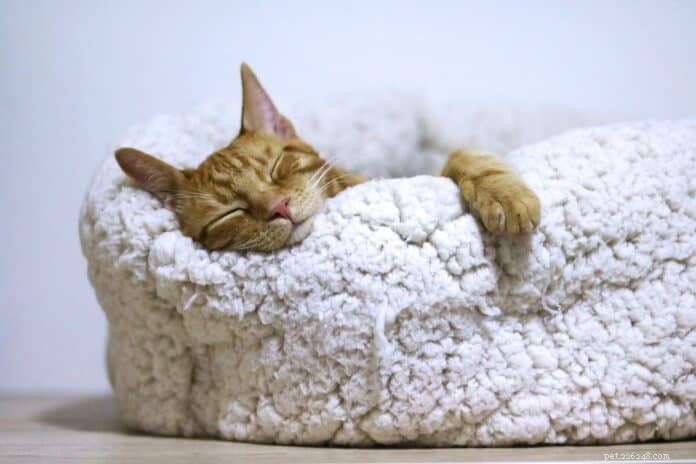
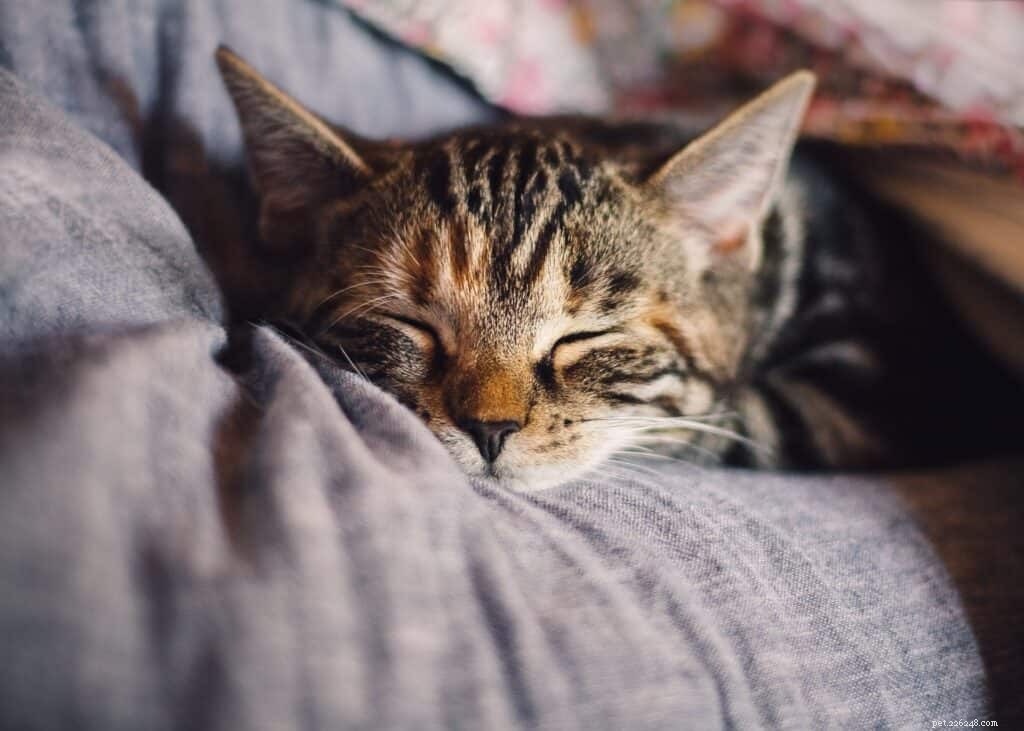
Cats like to sleep, and they can do so for an astounding 16 hours a day on average! But when you hear them snoring suddenly, you may wonder if this is a normal occurrence.
Snoring is known to be less common in cats than dogs and humans, therefore this may indicate a deeper problem.
Learn more about cat snoring, when it’s normal or abnormal, the accompanying symptoms and ways to treat it as advised by vets.
Table of Contents hide When Is Cat Snoring Normal? When Is Cat Snoring Not Normal? Reasons For Abnormal Cat Snoring Frequently Asked Questions*Disclaimer: The information in this article is not meant to replace the advice and expertise of vets. You should consult a vet on your cat’s health condition for an accurate diagnosis.
When Is Cat Snoring Normal?
Brachycephalic breeds (flat-face)
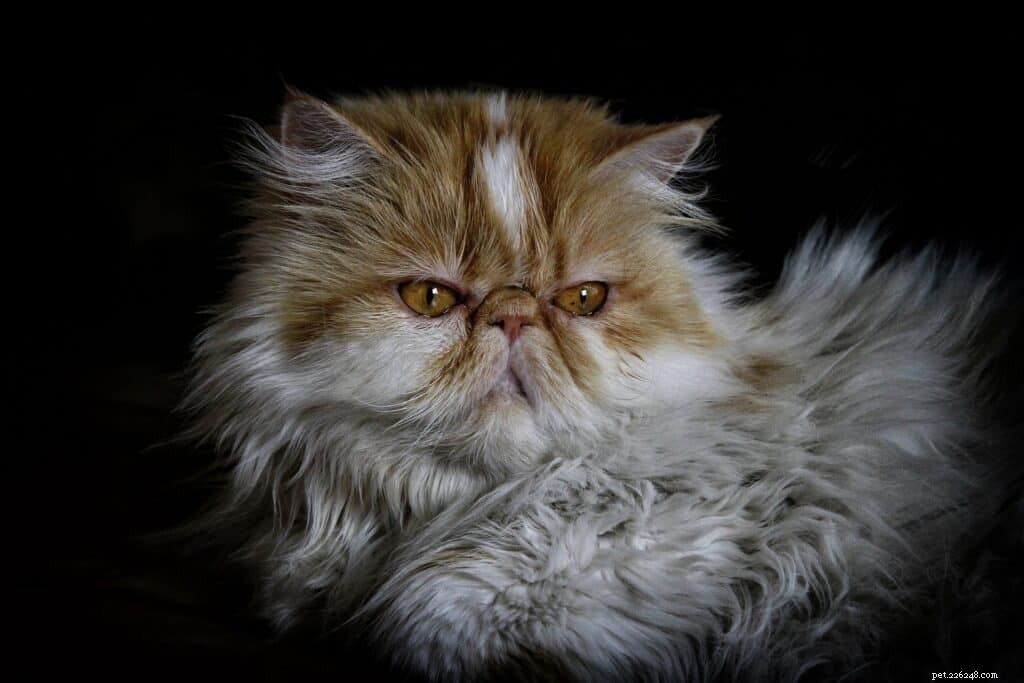
Dr. Rebecca MacMillan (MRCVS) from We’re All About Pets mentions that cat breeds with flat faces, also known as Brachycephalic breeds, tend to snore more due to the structure of their face.
This is because of features such as narrowed nostrils and over-long soft palates. Some common breeds of this kind include Persians and British Shorthairs.
Sleep position
With their sleeping habits and flexibility, you can sometimes find cats sleeping in the weirdest positions. Snoring usually ceases when your cat changes position.
Dr. Rose (from Peaceful Waters Aquamation) states that cats can sometimes sleep with their head positioned in a way that’ll obstruct steady or easy air flow through their trachea.
Sleep cycle
Felines sleep for long periods. However, they’re actually light sleepers due to their hunting instincts. Unlike the stages of sleep humans have, a cat’s non-REM sleep cycle is the stage where they are in the deepest sleep.
This is the phase where cats will snore and it typically lasts for about 5 minutes.
When Is Cat Snoring Not Normal?
Noisy breathing while awake
According to Feltcave, when a cat starts making snoring-like noises while awake, this might be due to air passing through blockages or abnormally narrow nasal passages.
There are two kinds of noisy breathing sounds:Stertor: Low-pitched, snoring-like sounds that occur during inhalation
Stridor: High-pitched, wheezing sounds
Dr. Oliveira (from NHV Natural Pet) mentions that it’s also abnormal if cats start to breathe with their mouths open or pant heavily.
Progressively loud and frequent snoring
As snoring in cats is less common, it may not be normal if it’s constant, very loud or has progressed over time. According to the CatVills advisory team, it is also unusual if snoring is new or comes on suddenly.
Factors such as airway obstructions can lead to louder and more intensive snoring.
Snoring accompanied by symptoms of illness
If your cat has other symptoms on top of their snoring, it’s the most obvious sign that something is wrong.
Dr. Ellen Marcinkiewicz (MRCVS) of Pet Food Sherpa states that some common symptoms include sneezing, coughing, discharges from the eye or nose, a swollen face, or behavioural or appetite changes. Sometimes, their tails may also move rapidly while they’re asleep as a sign of discomfort.
Reasons For Abnormal Cat Snoring
Illnesses can cause the cat’s nasal cavity to be blocked or congested, resulting in snoring. If there are accompanying symptoms along with snoring, it might indicate a medical condition or problem.
Here are some possible health-related reasons that could cause snoring in cats.
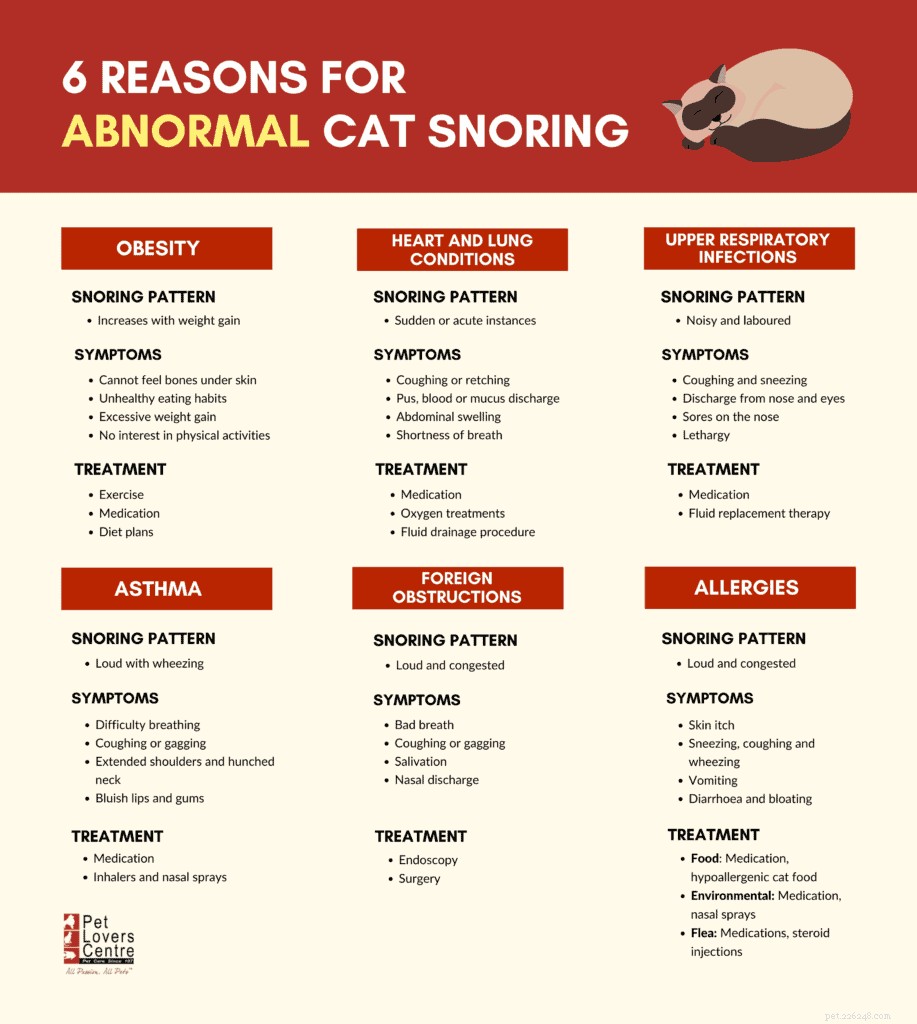
Obesity
If your cat is overweight, pressure may be placed on their nasal passages and cause snoring. If left untreated, it can lead to increased risks of issues such as cancer or arthritis.
Snoring pattern: Increasingly frequent along with weight gainAccompanying symptoms:
- Cannot feel bones under skin
- Unhealthy eating habits
- Excessive weight gain
- No interest in physical activities
- Exercise
- Medication
- Diet plans
Heart and lung conditions
Problems such as heartworm and heart murmurs can lead to a buildup of fluid in the lungs. Lung ailments like pneumonia can also cause breathing difficulties for your cat.
Snoring pattern: Sudden or acute instancesAccompanying symptoms:
- Coughing or retching
- Pus, blood or mucus discharge
- Abdominal swelling
- Shortness of breath
- Medication
- Oxygen treatments
- Fluid drainage procedure
Upper respiratory tract infections
Infections in the upper respiratory tract can cause congestion in the lungs which in turn may result in snoring.
Dr. Joanna Woodnutt (MRCVS) of All About Cats says that one such infection is ‘cat flu’, which can often be triggered by stressful situations. If you find your cat snoring upon returning from the cattery, this may be why.
Accompanying symptoms:
- Coughing and sneezing
- Discharge from nose and eyes
- Sores on the nose
- Lethargy
- Medication
- Fluid replacement therapy
Asthma
Asthma causes swelling of the tissues in the cat’s lung passages. It’s usually triggered by inhaling allergens or if they are stressed.
Snoring pattern: Loud with wheezing soundsAccompanying symptoms:
- Rapid or difficulty breathing
- Coughing or gagging
- Squatting with shoulders hunched and neck extended
- Bluish lips and gums
- Medication
- Inhalers or nasal sprays
Foreign obstructions
When a foreign body gets lodged in the cat’s nasal canals, it blocks the air passage and can result in snoring. In more severe cases, an ‘obstruction’ could be a tumour or polyp.
Snoring pattern: Loud and congestedAccompanying symptoms:
- Bad breath
- Coughing or gagging
- Salivation
- Nasal discharge
- Endoscopy
- Surgery
Allergies
The 3 most common kinds of allergies that cats experience are environmental, food and flea allergies. If your cat gets triggered by allergens, their airways become inflamed and cause snoring.
Snoring pattern: Loud and congestedAccompanying symptoms:
- Skin itch
- Sneezing, coughing and wheezing
- Vomiting
- Diarrhoea and bloating
- Food allergies: Medication, getting rid of the trigger food, hypoallergenic cat food
- Environmental allergies: Medication, nasal sprays
- Flea allergies: Medication, steroid injections
Frequently Asked Questions
Is it okay for my cat to snore sometimes?
Although snoring is less common for cats as compared to dogs and humans, it’s still a normal sleeping habit in most cases.
If your cat starts displaying symptoms, physical or behavioural changes, a visit to the vet is advised.
Is my cat snoring or purring?
Purring is a soft vibration that occurs when a cat is being petted, displaying their happiness, comfort and content.
On the other hand, snoring is loud and accompanied by heavy breathing. It generally happens during deep sleep and not when you pet your cat.
Do cats snore as they get older?
Yes, older cats are more predisposed to snoring as aging results in a loss of muscle tone and an increase in fat deposits around the body.
This places more pressure on the nasal passages and makes them narrower.
How do I stop my cat from snoring?
Treatment for cat snoring depends on the reason. If it’s due to anatomical reasons such as the Brachycephalic breed, then there isn’t much you can do about it.
If your cat displays other symptoms or breathes noisily while awake, bring your cat to a vet to address the underlying issue.
Is it normal for cats to snore while they are awake?
It’s not normal for a cat to make snoring noises while awake.
If your cat starts making stertor or stridor noises in the day, it may indicate respiratory or other health issues.
Manage Cat Snoring Habits
While snoring is generally considered normal, it’s important that you monitor your cat for other signs of health issues.
If you suspect an abnormal snoring habit, take your cat for a check-up immediately. Early diagnosis and treatment will help prevent more severe and irreversible conditions.
- Pet Behavior
- Pet Breeds
- Pet Names
- Pet Adoption
- Pet Training
- Cat Stories
- Pet Health
- Adorable Pets
- Cats
- Understanding Cat Scratch Disease: Causes, Symptoms & Treatment Options
- Cat Scratch Disease Explained: Causes, Symptoms, and Proven Treatment Options
- Cat Diarrhea: Causes, Symptoms, and Trusted Treatment Solutions
- Cat Diarrhea: Causes, Symptoms & Effective Treatment Options
- Understanding Feline Colitis: Causes, Symptoms, and Effective Treatments
- Understanding Cat Compulsive Disorder: Causes, Symptoms, and Effective Treatments
- Cat Bleeding: Causes, Symptoms, and Treatment Guide