

Step‑by‑Step Guide: Preparing Your Cat for a Safe and Stress‑Free Cattery Stay
Planning a trip? Ensure your cat’s wellbeing with professional cattery care. This guide covers everything from vaccinations to easing return home.
When you’re away, a licensed cattery staffed by trained veterinarians and caretakers can give you peace of mind. With a few simple steps, you can help your feline friend adjust quickly and comfortably.
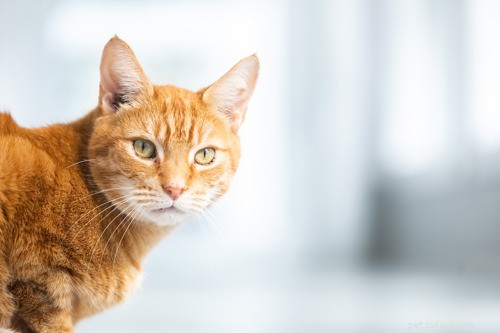
What you’ll find in this guide
• What a cattery is and how it works • How to prepare your cat for a cattery stay • Vaccinations and health checks required • Packing list for a smooth transition • First‑time cattery visits • Reducing stress in the boarding environment • Helping your cat readjust at home • Quick FAQs
What is a cattery?
A cattery is a certified boarding facility that houses cats in individual, climate‑controlled pens. Certified staff monitor feeding, litter, and health, while ensuring safety and enrichment. Many catteries are inspected by local authorities to maintain high standards of animal welfare.
Choosing the right facility is essential. Look for a cattery that follows the American Veterinary Medical Association (AVMA) guidelines, has a clean environment, and offers 24/7 supervision.
Preparing your cat for a cattery stay
Preparation is all about health, routine, and familiarity. Start by:
- Scheduling a vet visit to confirm all vaccinations are up‑to‑date and your cat is in good health.
- Introducing your cat to the carrier gradually—place familiar bedding or treats inside and let them explore at their own pace.
- Maintaining normal feeding times and play sessions in the days leading up to departure.
Consistent routines help reduce anxiety and make the transition smoother.
Vaccinations and health checks
Most reputable catteries require proof of core vaccinations to protect all animals on the premises. Commonly required shots include:
- Feline viral rhinotracheitis (herpesvirus) and calicivirus (often combined as “cat flu”).
- Feline enteric coronavirus (infectious peritonitis).
- Feline leukemia virus (FeLV).
Additionally, many facilities request recent deworming and flea control records, as parasites can spread rapidly in shared spaces.
What to pack for a cattery stay
Providing familiar items can ease your cat’s adjustment. Pack the following:
- Standard commercial or homemade food—avoid sudden diet changes.
- Personal bedding or a blanket that carries your scent.
- Favorite toys or a small interactive play item.
Exclude items with long strings, loose parts, or anything that could be ingested or cause entanglement.
First‑time cattery visits
Initial exposure can be challenging, especially for cats that are shy or highly territorial. If this is your first time, consider a brief trial visit before a longer stay. Observe how your cat interacts with the environment and staff, noting any signs of stress.
Reducing cattery stress in cats
While a new environment inevitably triggers mild stress, the right cattery can mitigate it. Look for facilities that:
- Offer spacious, well‑ventilated pens with multiple hiding spots.
- Prevent direct contact between cats unless supervised.
- Have staff who allow cats to approach voluntarily.
- Use synthetic pheromone diffusers or sprays to promote calmness.
Signs of excessive stress include hiding, loss of appetite, over‑grooming, or abnormal vocalization. If you notice these, contact staff immediately for support.
Helping your cat settle back at home
Most cats readjust quickly once home. You may observe a brief period of heightened affection or increased energy—typical of the “rebound” phase. If stress persists beyond a week, consider a home‑based care option for future trips.
FAQs
Is it stressful for cats to stay in a cattery?
Some cats experience mild stress due to unfamiliar sights and sounds. Others adapt well, especially during short stays. A well‑chosen cattery can significantly reduce discomfort.
Will my cat be OK in a cattery for two weeks?
Many cats tolerate a two‑week stay, but the outcome depends on individual temperament. If you have concerns, a home‑based sitter or a hybrid arrangement may be preferable.
Do you take cat food to a cattery?
Yes—most catteries encourage owners to bring their cat’s regular food to avoid dietary surprises.
Do cats miss their owners in a cattery?
Cats tend to focus on their immediate surroundings, but many greet their owners warmly upon return.
Is it cruel to put a cat in a cattery?
A cattery is not inherently cruel; the key is selecting a facility that meets high welfare standards and matches your cat’s temperament. Some cats thrive in a professional setting, while others are better cared for at home or by a trusted sitter.
- Pet Behavior
- Pet Breeds
- Pet Names
- Pet Adoption
- Pet Training
- Cat Stories
- Pet Health
- Adorable Pets
- Cats
- Are Salted Peanuts Safe for Birds? What to Know Before Feeding Them
- Meet the Whoodle: A Smart, Low‑Shedding Mix of Poodle & Wheaten Terrier
- Safe Pain Relief Options for Your Dog: What to Give
- Why Dogs Are Drawn to Chew Plastic Bottles: A Behavioral Insight
- How to Effectively Remove Splinters from Your Dog’s Paw
- Comprehensive Guide to Caring for Your Cat After an Animal Bite
- Keep Your Chickens Laying Eggs All Winter: 5 Proven Tips