

Species‑Appropriate Feeding: How to Properly Nourish Your Cat
In the wild, cats spend 12‑16 hours hunting and eating each day. Indoor cats experience a dramatic drop in this activity, which can trigger unwanted changes in health and behavior. With the right feeding plan, you can help your cat thrive.
The Problem – A Cat’s Fundamental Needs
Nearly half of domestic cats are overweight. Obesity elevates the risk for diabetes, arthritis, and tumors, and ultimately shortens life expectancy. Excess weight also limits a cat’s natural abilities—jumping, hunting, exploring, and play—leading to frustration and depression.
Understanding these challenges starts with looking at wild cats, which are obligate carnivores. They must consume meat to survive; vegetarian diets are lethal. Their digestive system, physiology, and biochemistry are tuned for protein‑rich meals.
Wild felids derive 52 % of their energy from protein, 46 % from fat, and only 2 % from carbohydrates. They also rely on essential amino acids—taurine, arginine, methionine, cysteine—found only in animal tissue, as well as vitamins D, A, and niacin, which they cannot synthesize.
How Wild Cats Keep Themselves Alright
Solo hunters, cats target small prey, usually small mammals. A single mouse supplies about 30 kcal, so a cat must eat roughly ten mice daily to meet its caloric needs. Because not every hunt is successful, a wild cat can spend 12‑16 hours—sometimes up to 24—per day chasing prey.
Strong hunting instincts evolved as a safeguard: if a hunt fails, the cat has a fresh supply of prey ready. A hungry cat will typically refrain from hunting to avoid exhausting itself, a behavior that preserves life.
Commercial Cat Food
Modern cat food has been extensively researched and can meet a cat’s nutritional requirements when fed correctly. Yet many cats remain caught in the human feeding pattern, which often distorts their natural eating rhythm.
Two large meals a day are physiologically unsuitable for cats. Their stomachs can stretch temporarily, but excessive volume can trigger vomiting and digestive upset. Feeding several small portions throughout the day helps prevent this and mimics a cat’s natural pattern.
The Modern Cat’s Lifestyle
Ad‑libitum access to food, a common practice today, prevents cats from adjusting intake to their needs. Commercial food is engineered for palatability, encouraging overconsumption.
Pre‑cut pellets and lumps make it easy for cats to eat quickly, while boredom can drive them to eat more. Reduced activity, neutering (which can lower metabolism), and multi‑cat households can further amplify the risk of obesity.
Providing a single feeding location each day removes opportunities for stimulation. Lack of enrichment can cause boredom, apathy, and anxiety. Reintroducing hunting‑like behaviors—through puzzle feeders, timed feeders, or prey‑based foods—helps alleviate stress.
Cat‑Friendly Feeding Practices
Offering five or more small meals per day—without free feeding—best mirrors a wild cat’s pattern. Divide the daily ration into at least five portions over the 24‑hour cycle.
When feeding dry food, weigh portions precisely; it’s calorie‑dense and easy to over‑feed. Timed feeders or puzzle feeders are excellent tools, especially for diabetic cats, and can encourage natural foraging behavior.
Dry vs. Wet Food
Because wild cats derive 52 % of energy from protein and 46 % from fat, a diet rich in animal protein and minimal carbohydrates is ideal. High‑quality wet food—free from plant‑based fillers like potatoes, rice, pumpkin, or grains—provides this profile. Wet food also includes BARF or raw prey options.
Limit fish and liver in the overall ration; occasional fish treats are acceptable. For cats that resist wet food, gradually introduce dried meat strips, which mimic the natural protein‑fat ratio.
Dry food can cause dehydration and is linked to higher rates of diabetes and bladder disease. Keeping cats well‑hydrated and preferring wet foods helps prevent these conditions.
The Right Bowl
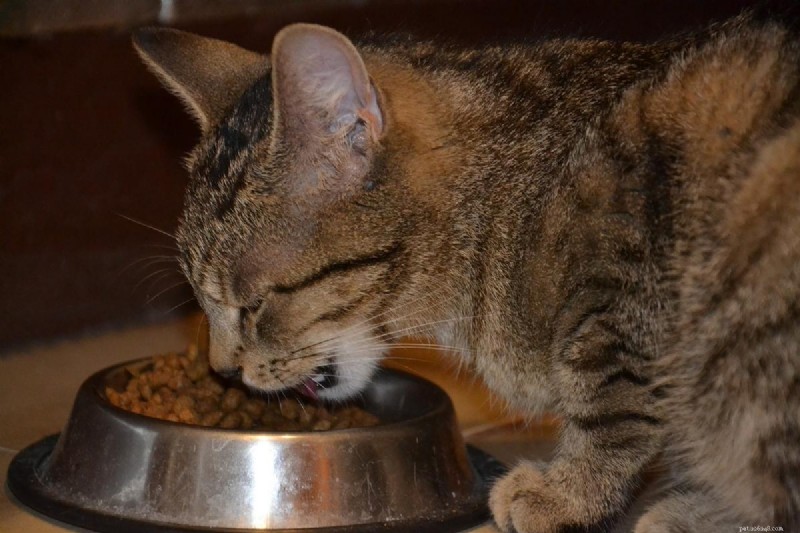
Material matters. Plastic or metal bowls can alter taste; ceramic or glass bowls are preferable. Choose a shallow, wide bowl so whiskers aren’t touched during feeding—whiskers are highly sensitive and can cause discomfort.
- Pet Behavior
- Pet Breeds
- Pet Names
- Pet Adoption
- Pet Training
- Cat Stories
- Pet Health
- Adorable Pets
- Cats
- Are Pumpkins Safe and Nutritious for Your Chickens?
- How to Deworm Your Dog: A Comprehensive Guide
- Blood in Your Cat’s Poop: Causes, Symptoms, and When to Seek Veterinary Care
- Top 15 Family-Friendly Dog Breeds Loved by Kids
- Citronella Dog Collars: A Safer, Humane Alternative to Shock Training
- Homemade Dog Food Recipe for Sensitive Skin: Safe, Natural Relief
- Can Dogs Safely Eat Beef? Vet‑Approved Tips for Choosing the Best Cuts