

Vet Visit Frequency for Dogs: Expert Guidelines by Age, Health, and Lifestyle

KEY TAKEAWAYS: Puppies up to 12 months should see a veterinarian every 3 to 4 weeks for their core vaccination series. Adult dogs (1–7 years) benefit from at least one annual wellness exam and booster shots. Senior dogs (7+ years) should be examined every 6 months, with large‑bred dogs starting this schedule earlier than small‑bred dogs.
Be honest: How many times have you and your dog visited the vet this year?
If you haven’t thought about a routine visit since your last illness appointment, you’re not alone. Many owners overlook wellness care for healthy‑looking pets, yet dogs can mask pain and disease until it’s advanced.
Regular vet visits are a proven way to catch problems early, keep preventive care up to date, and extend your companion’s life expectancy.
This article answers the central question for every dog owner: How often should I take my dog to the vet? The answer depends on age, health status, and lifestyle.
What Happens During a Routine Vet Visit and Why It Matters
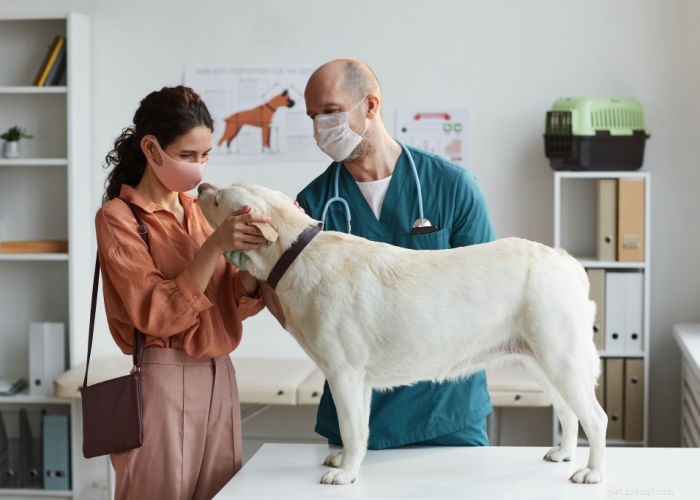
During a wellness exam, the veterinarian performs a comprehensive physical check—weight, heart and lung sounds, dental status, eyes, ears, and coat. If warranted by history or symptoms, preventive diagnostics such as bloodwork, stool analysis, and heartworm testing may be added.
The clinician also offers tailored advice on diet, exercise, and overall management. Vaccinations, parasite prevention, and dental exams are common components that protect against life‑threatening diseases like distemper, parvovirus, flea‑ and tick‑borne illnesses, and periodontal disease.
RELATED: Does Pet Insurance Cover Vet Visits?
How Often Should Dogs Go to the Vet by Age
Puppies (0–12 Months)
Puppies require frequent visits—typically every 3 to 4 weeks—from 6–8 weeks through 16–20 weeks. These appointments cover the core vaccination series, booster shots, and parasite prevention. Because puppies are highly susceptible to intestinal worms, fecal tests and deworming are routine.
The vet will monitor growth metrics, developmental milestones, and offer guidance on nutrition, socialization, and training. Discussions about spay or neuter may begin around 6 months of age.
Even a healthy‑looking puppy benefits from routine checks to pre‑empt hidden health issues.
RELATED: Dog Vaccination Schedule (and what shots do puppies need)
Adult Dogs (1–7 Years)
Young adults should visit at least once a year for a wellness exam, even when they appear healthy. Annual exams help detect early signs of joint pain, dental disease, or ear infections, and ensure vaccinations remain current.
During the visit, the veterinarian performs a nose‑to‑tail assessment, updates parasite prevention, and reviews diet and behavior. Any concerns—such as weight changes or altered activity—can be addressed promptly.
RELATED: 11 Signs Your Dog’s Diet is Causing Health Problems

Senior Dogs (7+ Years)
Senior dogs are at increased risk for conditions like arthritis, kidney disease, and diabetes. Regular bi‑annual exams help catch these ailments early, improving treatment outcomes.
Large‑bred dogs often reach senior status at 5–6 years, while small breeds may be considered seniors at 8–10 years. Tailored checkups may focus on mobility, dental health, and weight management.
Veterinarians will perform a detailed physical exam, bloodwork, urinalysis, and blood pressure checks to screen for kidney, liver, thyroid, and cardiovascular issues.
RELATED: How To Tell A Dog’s Age and What Are Dog Years?
RELATED: Improving Quality of Life for Senior Dogs
Factors That Can Change How Often Your Dog Needs Vet Visits
Chronic health conditions—such as diabetes, heart disease, or autoimmune disorders—necessitate more frequent monitoring. Certain breeds have a predisposition to specific ailments: German Shepherds to hip dysplasia, Bulldogs to respiratory issues, Dachshunds to spinal problems, and Golden Retrievers to cancer.
Active lifestyles (frequent outdoor activity, travel, or socialization with other dogs) increase exposure to parasites and infections, warranting additional preventive guidance.
Owners in endemic regions for leptospirosis, Lyme disease, or other vector‑borne illnesses should schedule more frequent screenings.
Core vaccines (distemper, parvovirus, rabies) are typically administered every 3 years, while non‑core vaccines may require annual boosters. Senior dogs should continue to receive these boosters unless contraindicated.
Signs Your Dog Needs to See a Vet Right Away
Emergency situations demand immediate veterinary care. If your dog displays any of the following, seek help promptly:
- Trouble breathing
- Severe vomiting or diarrhea
- Seizures or fainting
- Bleeding that won’t stop
- Loss of appetite
- Low energy
- Extreme behavior changes
- Increased thirst or urination
For more critical conditions, read 9 Emergency Dog Health Conditions That Cannot Be Delayed.
If your dog ingests chocolate, plastic, or any toxic household item, contact your vet or a poison control center immediately.
RELATED: 16 Signs Your Dog Ate Something Bad
FAQs About Vet Visits for Dogs
Can I skip vet visits if my dog seems healthy?
Not advisable. Even healthy dogs can harbor hidden dental disease, parasites, or early organ dysfunction. Regular checkups catch these issues before they become costly or life‑threatening.
How much do vet visits usually cost?
Costs vary by location and services. A basic wellness exam typically ranges from $50 to $100; additional diagnostics, vaccines, or treatments will increase the bill. Preventive care is generally far less expensive than emergency or advanced disease treatment.
RELATED: The Hidden Costs of Dog Ownership
What if my dog is scared of the vet?
Many dogs feel anxious. Gradual desensitization, positive reinforcement, and the use of calming aids can ease the experience. Some clinics specialize in “fear‑free” care for anxious pets.
RELATED: 7 Tips on How to Make Vet Visits Less Stressful for Dogs
Do indoor dogs need vet visits too?
Yes. Indoor dogs can develop dental disease, obesity, or internal conditions and may still be exposed to parasites or infections. Routine exams, vaccinations, and preventive care are essential for all dogs.
Can I wait until my dog is sick before going?
Waiting for symptoms often means dealing with advanced disease. Preventive exams detect issues early, improve prognosis, and reduce overall costs.
Before You Go… This is How Often You Should Take Your Dog to the Vet!
Regular veterinary care is one of the most effective ways to safeguard your dog’s health. Summarized: puppies need monthly check‑ups; adult dogs should be examined at least once a year; senior dogs warrant bi‑annual visits. While it may seem costly, proactive care saves money and extends your dog’s quality of life.
Want more tips? Explore our expert dog‑care guides below!
Related Articles
- Telehealth for Pets: 24/7 Vet Guidance
- Does Pet Insurance Cover Vaccines? Things You Need to Know
- Over Vaccinating Dogs: Prevention and Real Dangers of Puppy Vaccines
Comments are closed for this post.
- Pet Behavior
- Pet Breeds
- Pet Names
- Pet Adoption
- Pet Training
- Cat Stories
- Pet Health
- Adorable Pets
- Cats
- Mastering Nitrate Control in Your Freshwater Aquarium
- Can Gerbils Safely Eat Dandelions? A Guide to Healthy Plant Snacks
- Expert Guide: Creating a Safe, Harmonious Home for Dogs and Toddlers
- What Temperatures Are Safe for Rabbits? Tips for Keeping Them Warm in Winter
- How Flaxseed Enhances Your Pet’s Health: A Guide for Dogs and Cats
- Eliminate Oil Slicks from Your Fish Tank: Simple, Safe Steps
- Kai Ken Dog Breed: Facts, Personality & Lifestyle Compatibility