

Expert Guide: 8 Proven Tips for Bathing Dogs That Fear Water
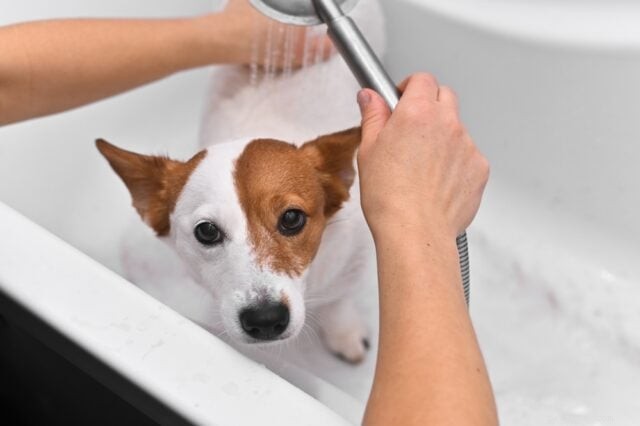
Key Takeaways: Bathe a water‑averse dog safely by selecting an ideal location, brushing first, using lukewarm water, avoiding face spray, rewarding calm behavior, and maintaining a consistent routine.
Bathing a fearful dog can feel like a wrestling match. While some breeds enjoy water, others develop a strong aversion after negative experiences. Forcing a frightened dog only escalates stress and can lead to aggression.
With patience and the right techniques, bath time can become a calm, predictable event for both owner and pet.
Follow our eight expert steps to make bathing a water‑averse dog easier.
Related: How to Bathe a Dog at Home for the First Time
Why Some Dogs Fear Water
Retrievers and spaniels were bred for water work, whereas many other breeds lack that instinct. Experience, however, plays a larger role: a puppy’s first bath or a rescue dog’s past mishap can instill lasting fear.
Cold or hot water, slippery floors, and loud bathroom noises can all trigger anxiety.
1. Choose the Right Location
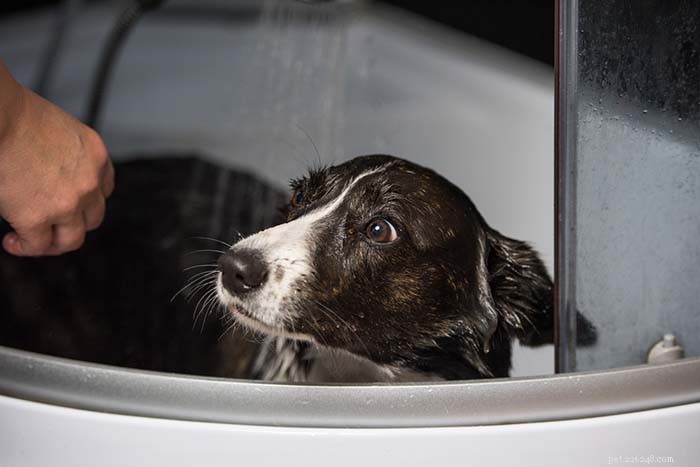
If bathroom baths fail, consider a sink for small dogs or an outdoor setup for larger pets. Portable dog baths or kiddie pools reduce mess and give the dog control over the environment.
Open spaces often calm a dog’s fight‑or‑flight response, whereas enclosed rooms may heighten fear.
2. Gather Your Supplies
Have everything within arm’s reach: dog shampoo, towels, brush, non‑slip mat, and treats. Preparedness minimizes interruptions that could startle the animal.
- Dog‑specific shampoo
- Soft towels
- Quality brush
- Non‑slip mat
- High‑value treats
3. Brush Before Bathing
Brushing removes tangles and loose hair, making rinsing faster and preventing mats from tightening when wet. The act also offers a calming, tactile pre‑bath ritual.
4. Start Slowly and Stay Calm
Introduce the tub gradually. Allow the dog to sniff and explore while you speak softly. Practice standing in the tub without water, rewarding the dog for staying calm.
Positive associations before water contact ease future baths.
Related: How to Give a Dog a Bath
5. Use Lukewarm Water
Dogs are sensitive to temperature extremes. Test water on your forearm; it should feel like a warm, comfortable bath for a human infant.
6. Avoid Spraying the Face
Spraying can feel punitive. Instead, use a cup or hand to pour water gently over the body. Clean eyes and ears with a damp cloth to prevent discomfort.
7. Reward Good Behavior
During and after the bath, give praise and high‑value treats. Specialty bath‑time treats (e.g., cheese, peanut butter) create anticipation rather than dread.
Professional groomers often use lick mats to distract anxious dogs during cleaning.
8. Keep Baths Short and Routine
Limit bath time to 5‑10 minutes. Consistent grooming—brushing, bathing, and nail trimming—helps an anxious dog feel secure.
Related: 4 Good Reasons Why Your Dog Needs a Routine
Common Mistakes to Avoid
1. Don’t Force a Frightened Dog
If the dog resists, let it calm itself. A forced bath amplifies fear and can lead to aggression.
2. Avoid Human Shampoo
Human soaps, dish detergents, and other non‑pet products can irritate a dog’s skin and disrupt its natural pH.
3. Prevent Water in the Ears
Moisture can cause ear infections. Use a damp cloth or grooming wipes to clean the ears, eyes, and face.
4. Don’t Bathe Too Often
Over‑bathing dries skin and coat. A monthly schedule usually suffices unless the dog is heavily soiled.
Related: How Often Should You Wash Your Dog
Alternatives for Extreme Water Aversion
1. Waterless Dog Shampoo
These sprays or wipes contain surfactants that break down oil and dirt without rinsing. Ideal for light cleaning between baths.
2. Grooming Wipes
Use for spot cleaning after muddy walks or when a quick refresh is needed. Wipes work on paws, face, and other areas.
Related: 10 Best Dog Wipes for Grooming
3. Professional Groomers
Groomers who specialize in nervous pets have specialized training and equipment to keep dogs calm. They can also advise on at‑home techniques.
While pricier, professional help may be worthwhile for persistent fear.
FAQs
How often should a dog be bathed?
Typically every 1–3 months, depending on breed, coat type, and lifestyle.
Can I use baby shampoo?
Baby shampoo is milder than human shampoo, but veterinarians still recommend dog‑specific products to maintain skin pH.
What if my dog bites during bath time?
Stopping the bath and avoiding force reduces anxiety. Persistent aggression warrants a vet or trainer’s assessment.
Before You Start
Bathing a water‑averse dog demands patience, preparation, and a gentle approach. Positive reinforcement builds trust and reduces fear.
Use these strategies to transform bath time into a calm, predictable ritual.
Explore more pet‑care resources below:
- How to Groom a Dog: All‑in‑One Guide for Beginners
- How to Train a Rescue Dog: 7 Actionable Steps
- Homemade Flea Shampoo for Dogs: 3 Easy Recipes
Comments are closed for this post.
- Pet Behavior
- Pet Breeds
- Pet Names
- Pet Adoption
- Pet Training
- Cat Stories
- Pet Health
- Adorable Pets
- Cats
- Master Your Cat’s Tail Language: Unlock the Secrets of Feline Communication
- Praising Your Dog Beats Treats: Strengthen Bond & Motivation
- At-Home Pet Allergy Test for Cats: Easy, Reliable, & Accurate Results
- 13 Essential Summer Safety Tips to Protect Your Dog
- Expert Guide: The Optimal Timing for Spaying and Neutering Your Dog
- Top 5 Must-Have Gadgets for Cat Owners
- Black Cats: Myths, Facts, and Care Tips for Your Feline Companion