

The Purpose of a Cat’s Tail: Balance, Communication, and Survival
A cat without a tail just doesn't look quite right. (Sorry, Manx and Bobtail cats.)
But why do cats have tails? The answer lies in evolution: this slender, spine‑extended appendage is essential for balance, communication, and safety. Even when a cat seems idle, its tail is constantly in motion.
The tail is an extension of the spine, composed of 18 to 23 small vertebrae wrapped in muscle, nerves, and highly sensitive receptors. This structure grants cats precise control over every twist, turn, and twitch.
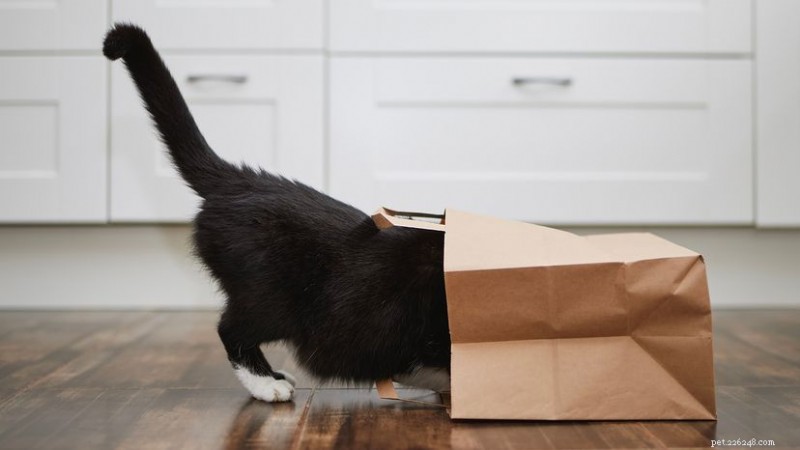
Tails Keep Cats on Their Feet
Balance is a cat’s superpower, and the tail is the secret weapon. When a cat walks along a narrow ledge, makes a sharp turn, or prepares to pounce, the tail counterbalances the body, just like a tightrope walker’s pole.
If a cat begins to tip, the tail swings to the opposite side, correcting its center of gravity. This instinctive reflex works for kittens and adults alike, and it even helps keep a cat warm on chilly days when the tail curls around the body.
A Fluffy Tail Speaks Volumes
Tail language is the feline equivalent of a nuanced handshake. A straight‑up tail signals confidence; a tail shaped like a question mark indicates curiosity or playful intent. A quivering tail can mean excitement or, in some contexts, marking territory.
When a tail is puffed up, it’s a clear warning of fear or agitation. While cats don't wag like dogs, a slow swish can indicate annoyance, and rapid flicks often mean overstimulation. Tail movements are part of a broader body language that includes ears, eyes, and legs.
Observing a cat with dilated pupils, flattened ears, and a lashing tail usually means it’s best to give the animal some space.
Tails Touch on Social Skills
Cats use tail cues to communicate with humans, other cats, and even other animals. When two cats meet, the posture of each tail can signal whether the encounter will be friendly or tense.
A high, straight tail usually means peace, whereas a low or curved tail may hint at something else entirely. This subtle tail language helps cats avoid conflict or invite play, making it invaluable in multi‑cat households.
While dogs, birds, and other species also use tail signals, cats have honed this communication into a sophisticated art form.
What Happens When Tails Get Hurt
Tail injuries—such as nerve damage or fractures—can impair a cat’s ability to walk, balance, or even use the litter box. Because the tail is connected to the base of the spine and contains many nerves, damage can be serious.
Veterinarians routinely assess tail tone and response during exams. A sudden drop in tail lift, a limp, or a droopy tail may indicate a medical condition that requires attention. While some injuries heal with time, others may need surgery or long‑term care.
Not Every Cat Has a Long Tail
Some breeds, like the Manx, carry a tailless gene that results in very short or absent tails. These cats may exhibit a slightly altered gait and, occasionally, minor spinal issues. Japanese Bobtails, on the other hand, have very short, nubby tails.
Even without a full tail, these cats often display tail‑like movements. Their bodies adapt, but their ability to communicate through tail language can be somewhat limited, especially during interactions with other cats.
Tails Serve More Than One Purpose
Beyond balance and communication, a tail is a dynamic, flexible tool that enhances hunting, social interaction, and sensory input. Whether a cat is stalking a bird, chasing a toy, or curling up on a couch, the tail is always working behind the scenes.
In short, a cat’s tail is far more than a decorative appendage—it’s an essential part of the animal’s survival toolkit.
We created this article in collaboration with AI technology, then had it fact‑checked and edited by a HowStuffWorks editor.
- Pet Behavior
- Pet Breeds
- Pet Names
- Pet Adoption
- Pet Training
- Cat Stories
- Pet Health
- Adorable Pets
- Cats
- What Are Dewclaws? Understanding Their Role in Dogs and Cats
- Inside Dognition: How Our Membership Unlocks Your Dog’s Brain
- How Your Dog Shapes Your Relationships: The Surprising Impact on Your Life
- Stop Your Dog from Chewing Toilet Paper: Simple Solutions & Prevention Tips
- Understanding Tail Hair Loss in Dogs: Causes & Solutions
- The Ultimate Puppy‑Raising Guide: Expert Tips & Proven Strategies
- Human Vitamins vs. Canine Needs: What Is Safe for Your Dog?