

What Drives Allogrooming in Cats? The Science Behind Mutual Licking
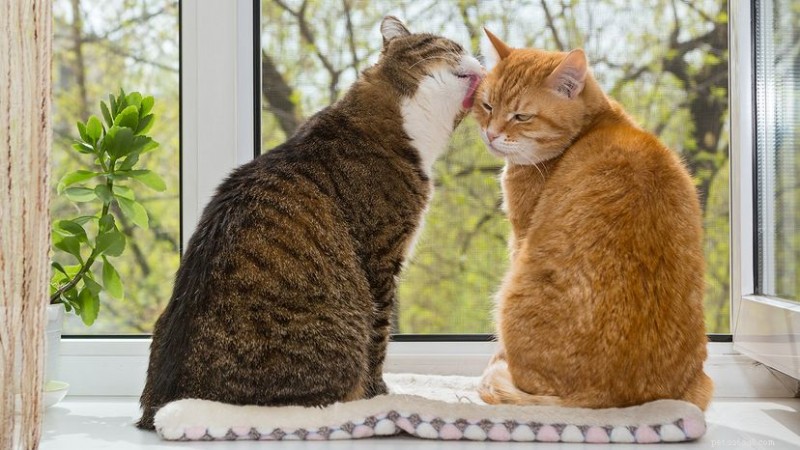
When you share a home with more than one cat, you’ll often notice one feline gently licking the other for extended periods. This isn’t a sign of filth or neglect; it’s a natural, instinctive behavior rooted in biology and social dynamics.
Grooming Starts With Mom
From the moment a kitten is born, its mother licks it to clean the tiny body, stimulate circulation, and trigger the release of oxytocin. This early bonding establishes a lifelong association between grooming and comfort, leading cats to extend the ritual to trusted companions.
Mutual Grooming Helps With Bonding
Allogrooming is more than a tidy act. When cats lick each other’s head, ears, and neck—areas difficult to reach alone—they reinforce trust and social cohesion. In multi‑cat households, frequent grooming sessions often indicate a strong friendship and a well‑balanced social hierarchy.
Flexing Dominance
In some contexts, grooming can signal status. The dominant cat may initiate licking, and the subordinate may comply, subtly affirming the established order. A pattern where the older or more confident cat repeatedly grooms the younger one can reflect a non‑violent assertion of hierarchy.
It’s Also About Health
Beyond social signaling, grooming aids in hygiene and thermoregulation. A cat’s tongue, covered in microscopic barbs, efficiently removes loose fur, dirt, and insects from hard‑to‑reach spots. However, persistent or obsessive licking—whether self‑ or other‑directed—can be a red flag for stress, allergies, or underlying medical conditions. In such cases, a veterinary check‑up and calming aids may be warranted.
In sum, mutual licking is a sophisticated blend of affection, social order, and self‑care. It reflects a cat’s well‑being and the strength of its bonds. If you observe unusual patterns or excessive licking, consult a veterinarian to rule out health concerns.
We produced this article with AI support and have had it thoroughly fact‑checked and refined by a HowStuffWorks editor.
- Pet Behavior
- Pet Breeds
- Pet Names
- Pet Adoption
- Pet Training
- Cat Stories
- Pet Health
- Adorable Pets
- Cats
- Eagle vs. Hawk: How to Tell These Powerful Raptor Species Apart
- Easy DIY Guide to Untangle & Prevent Dog Matting—Professional Tips & Home Remedies
- Essential Dog Grooming Secrets: Keep Your Pup Clean and Happy
- Dingos Demystified: Are They Dogs and Can They Be Pets?
- Can Lemon or Vinegar Safely Eliminate Fleas? Expert Insights
- Chihuahua Adoption Guide: Essential Facts for Prospective Owners
- Training Your Cat: Proven Techniques to Teach Felines Smart Tricks