

Why Is My Cat Crying? Signs, Causes, and How to Help
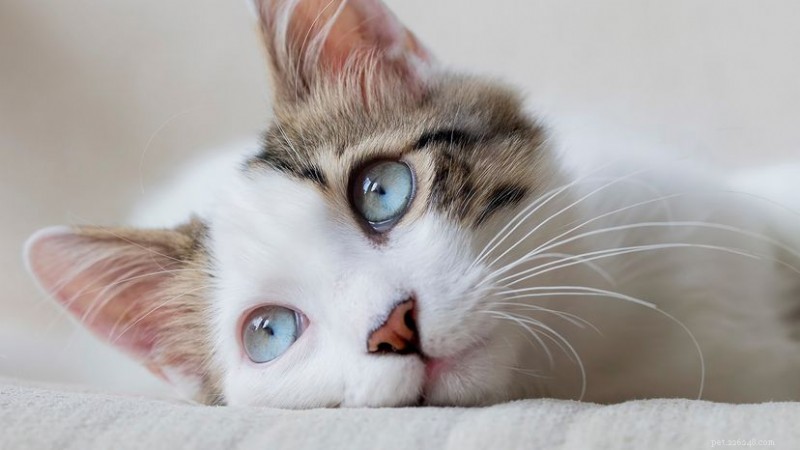
Hearing your cat meow persistently can be unsettling. While cats don’t cry in the human sense, their vocalizations often signal unmet needs, pain, or medical issues. Identifying the root cause is essential to providing effective care.
Crying vs. Meowing: What’s the Difference?
In feline behavior, “crying” usually refers to long‑duration, urgent meows rather than tearful displays. Kittens vocalize to indicate hunger or loneliness, while adult cats may meow to request food, attention, or territory access. Excessive vocalization often signals boredom, discomfort, or a desire for mental stimulation.
Medical Reasons Behind Excessive Vocalization
In senior cats, frequent nighttime meowing can be a sign of cognitive dysfunction, analogous to dementia in humans. Other conditions—such as kidney disease, hyperthyroidism, or ocular irritation—can also heighten vocal behavior. A sudden increase in meowing warrants a veterinary examination to rule out these health concerns.
Watch for additional symptoms: changes in appetite, litter‑box habits, or interactions with other pets.
Behavioral and Environmental Triggers
Some cats learn that persistent meowing earns attention or treats. Responding to every cry can reinforce the behavior. Younger or indoor cats need regular play and enrichment. Rotate toys, use automated feeders, or create safe outdoor enclosures to keep them engaged.
Shifts in the home—new pets, a new caregiver, or relocating the litter box—can unsettle sensitive felines and provoke vocal outbursts.
Mating Calls and Heat Cycles
Spayed females may emit loud, drawn‑out calls during heat, while intact males may become vocal when a mate is nearby. Spaying or neutering eliminates these hormonal triggers and reduces associated stress.
How to Help a Crying Cat
- Rule out medical issues. A vet can screen for thyroid dysfunction, renal disease, or eye conditions.
- Maintain a consistent routine. Feed and play at the same times each day to provide predictability.
- Increase interaction. Daily play sessions, gentle petting, or window perches can calm anxiety.
- Enhance the environment. Add scratching posts, puzzle feeders, or cat doors for safe indoor‑outdoor access.
- Address age‑related changes. Older cats with cognitive decline may need specialized care or medications.
Whether your cat is meowing at the bedroom door or yowling in the night, it’s likely trying to communicate. Observe closely, eliminate medical causes, and create a secure, stimulating environment to restore harmony.
This article was produced with AI assistance and subsequently reviewed and edited by a HowStuffWorks editor for accuracy.
- Pet Behavior
- Pet Breeds
- Pet Names
- Pet Adoption
- Pet Training
- Cat Stories
- Pet Health
- Adorable Pets
- Cats
- 6 Essential Tips for Caring for Your Dog
- Flea Allergy Symptoms & Effective Treatments for Cats & Dogs
- Understanding and Treating Enteritis in Dogs: Early Signs, Causes, and Care
- Top 7 Cat Health Issues Every Owner Should Know
- Guide to Adopting a Rescue Greyhound: Tips for a Smooth Transition
- Top 10 Reliable Fat Sources for Optimal Canine Health
- Hamsters vs. Hedgehogs: Which Small Pet Is Right for You?