

What Causes Sudden Excessive Cat Shedding and How to Address It
If you notice an unexpected surge of cat hair covering your living space, you might wonder why your cat is shedding so much. While shedding is a natural part of a cat’s life, a sudden spike can indicate an underlying issue.
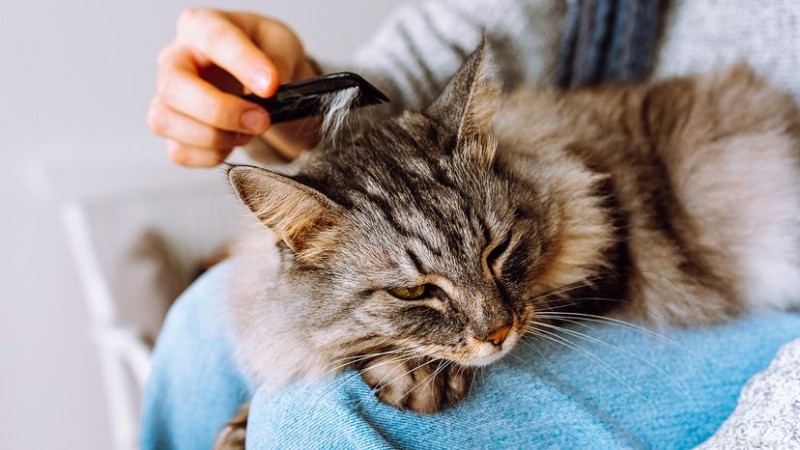
Understanding the difference between normal seasonal shedding and excessive hair loss—and knowing what to look for—can help you determine whether a quick grooming routine is enough or if a vet visit is warranted.
Normal Shedding vs. Excessive Hair Loss
All cats shed to remove dead hairs and allow new, healthy ones to grow. For most felines, shedding is fairly steady, but it spikes during seasonal transitions. Indoor cats often shed more consistently because artificial lighting and climate control disrupt their natural rhythm.
Seasonal shedding typically peaks in spring and fall, when cats adjust from a thicker winter coat to a lighter summer one. Long‑haired breeds like Maine Coons and Persians naturally lose more fur, but even short‑haired cats can experience an increased loss if conditions change.
Factors That Can Increase Shedding
Several factors can push a cat beyond normal shedding:
- Inadequate nutrition or dietary deficiencies
- Stress‑related over‑grooming or behavioral issues
- Skin irritation from allergies or fungal infections
- Hormonal imbalances, such as hyperthyroidism or Cushing’s disease
Excessive shedding often coincides with other symptoms—bald patches, itchy or irritated skin, and matted fur. If you spot any of these signs, it’s best to consult a veterinarian.
Keeping Your Cat’s Coat Healthy
A balanced diet that meets a cat’s life stage, weight, and activity level is the foundation for a healthy coat. Look for foods rich in omega‑3 and omega‑6 fatty acids, as well as adequate protein.
Regular grooming is essential. Long‑haired breeds benefit from daily brushing; short‑haired cats should be brushed at least once a week. Brushing removes loose hair, reduces hairballs, and distributes natural oils.
In addition, keep your home free of excess hair with lint rollers and frequent vacuuming. Consistent preventive care is the most effective way to manage shedding.
When to Call the Vet
Call your veterinarian if:
- Shedding is accompanied by bald spots or skin lesions
- Your cat is licking or scratching more than usual
- There is a sudden change in appetite or weight
- Behavioral changes such as lethargy or aggression appear
A vet can conduct a physical exam, run blood work, or recommend skin tests to pinpoint the cause. Early diagnosis and treatment—whether it’s a dietary adjustment, medication, or stress reduction—can restore your cat’s coat and comfort.
With attentive care, you can keep your cat’s fur under control and enjoy a cleaner home without sacrificing your feline’s health.
- Pet Behavior
- Pet Breeds
- Pet Names
- Pet Adoption
- Pet Training
- Cat Stories
- Pet Health
- Adorable Pets
- Cats
- Navigating Shelter Adoption: When to Ask Too Many Questions
- Step-by-Step Guide: Safely Removing Your Pet’s Stitches at Home
- Dog Play Decoded: Expert Tips for Safe & Healthy Interactions
- Expert Guide: Master Potty Training Your Dog in Weeks
- Where Is Your Dog’s Heart? A Professional Guide to Canine Heart Anatomy
- Blue‑Crowned Conure: A Sweet, Social Parrot Ideal for Families
- Florida Liquor Store Break-In: Opossum Drinks Bourbon, Owner Surprised