

Why Doesn’t My Cat Purr Even When It’s Content? A Vet‑Approved Guide
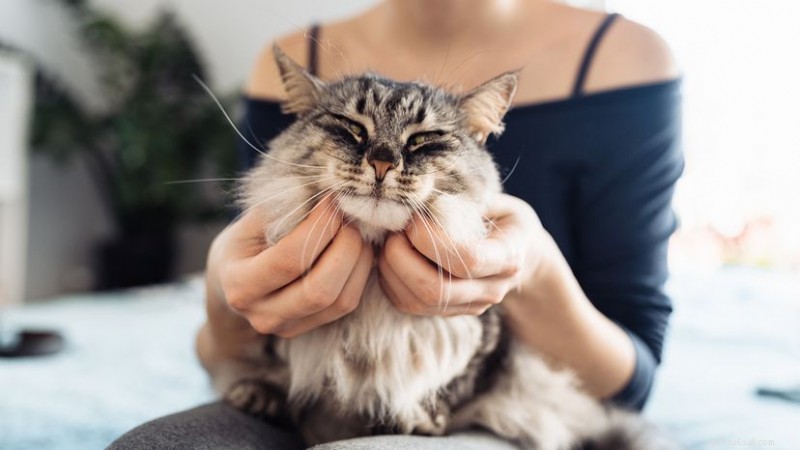
You may find yourself petting your feline companion, feeling the calm vibration of purrs, only to hear silence. While many owners equate a lack of purrs with discomfort, the reality is more nuanced. Not every cat uses the same vocal cues to express affection.
How Purring Works
When a cat purrs, it rhythmically contracts the laryngeal muscles, producing a low-frequency vibration that resonates through the throat and chest. Newborn kittens begin purring within days of birth, using the sound to signal safety to their mother. Beyond a sign of contentment, purring serves as a self‑soothing mechanism that can regulate breathing, lower blood pressure, and even promote healing—benefits that extend to both cats and humans.
Some Cats Just Don’t Purr Much
Just as people differ in speech patterns, cats vary in vocal behavior. A quiet cat may simply be a low‑volume speaker. Some felines emit purrs so faintly that you detect them only when their throat is pressed or when you place your ear against their body. Others reserve purring for specific moments—such as during feeding, napping, or when they feel especially secure.
Body Language and Other Clues
If your cat remains affectionate—following you, rubbing against your legs, kneading blankets, or curling up in your lap—but does not purr, it is still likely content. Cats communicate through a rich array of body signals: relaxed posture, slow blinking, and a steady, gentle breathing pattern all indicate a calm, happy feline.
When to Be Concerned
A sudden cessation of purring can signal underlying issues such as stress, pain, or illness. Watch for changes in appetite, sleeping habits, or grooming behavior. Conditions affecting the throat, vocal cords, or respiratory system may also interfere with a cat’s ability to purr. In such cases, a veterinary examination is recommended to rule out medical problems and provide peace of mind.
Purring Isn’t Universal
While domestic cats commonly purr, larger felids—lions, tigers, and leopards—do not produce the same sound due to differences in vocal anatomy. Therefore, the absence of purring is not a definitive indicator of an unhealthy cat. Your quiet companion may instead communicate affection through gentle headbutts, soft meows, or simply by choosing to sit beside you.
When in doubt, consult your veterinarian to investigate any potential health concerns. In most cases, a silent cat is as content as its purring peers.
© 2026 HowStuffWorks. This article was generated with AI assistance and subsequently fact‑checked and edited by a HowStuffWorks editor.
- Pet Behavior
- Pet Breeds
- Pet Names
- Pet Adoption
- Pet Training
- Cat Stories
- Pet Health
- Adorable Pets
- Cats
- Understanding Vibriosis: Causes, Symptoms, and Prevention in Aquarium Fish
- Ibizan Hound: Elegant, Agile Rabbit Hunter
- Why Dogs Love to Sleep on Furniture: The Psychology Behind Their Cozy Habit
- Top 10 Dog Breeds Perfect for College Life
- Effective Indoor Training & Brain Games for Dogs
- Adopting a Bunny for the Holidays: Tam Tangonan’s Joyful Journey
- 10 Expert Tips for Caring for Your Outdoor Rabbit