

Why Is My Cat Pooping Outside the Litter Box? Common Causes & Expert Solutions
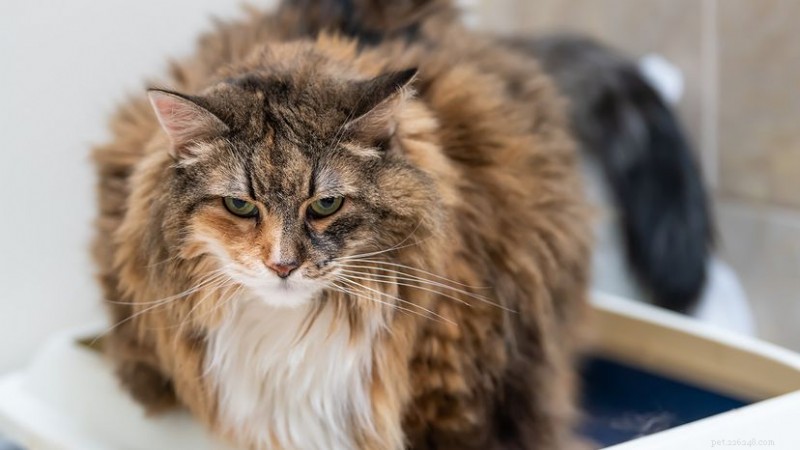
Make sure you’re cleaning your cat’s litter box regularly before assuming a behavioral problem. Andriy Blokhin / Shutterstock
When a cat stops using its litter box and starts pooping elsewhere, the frustration can feel overwhelming. If you’ve Googled “why is my cat pooping outside the litter box,” you’re not alone. The underlying cause often spans from medical conditions to simple preferences about litter or placement.
While most cats instinctively use a litter box, a sudden change in bathroom habits usually signals an issue. Pinpointing the root requires a holistic look at the cat’s health, the litter environment, and any recent shifts in routine or surroundings.
Medical Reasons to Rule Out First
Before attributing the behavior to personality, eliminate potential health problems. Digestive disorders such as inflammatory bowel disease, constipation, or other gastrointestinal issues can prompt inappropriate elimination. In older cats, cognitive decline may impair memory of the litter box’s location.
Veterinarians at the Cornell Feline Health Center advise that any abrupt change in bathroom habits warrants a vet visit. Addressing medical causes is the first step before exploring behavioral solutions.
Litter Box Setup and Hygiene
Cats are meticulous about their litter environment. Axel Bueckert / Shutterstock
Commonly, improper litter type or cleanliness leads to box avoidance. Unscented, clumping litter is generally preferred, and the box should be scooped daily with a mild dish soap and warm water. Strong‑smelling cleaners can deter use.
Depth matters: a layer of 2–3 inches (5–7 cm) typically satisfies most cats’ digging preferences. A shallow or overly deep litter can trigger avoidance.
During a deep clean, wear rubber gloves and a mask to reduce exposure to waste and odors.
Are You Using Enough Litter Boxes?
The rule of thumb is one box per cat, plus an extra. For example, a household with three cats should have four boxes. This arrangement reduces territorial disputes and ensures every cat has an accessible option.
Keep boxes separate from food and water dishes, as many cats refuse to eliminate near their eating area.
Litter Box Location Matters
Find a quiet, low‑traffic spot where your cat can perform undisturbed. Natasha Zakharova / Shutterstock
A box in a busy hallway, next to a noisy appliance, or behind a baby gate can encourage avoidance. If your cat consistently chooses a specific off‑box spot, the current location likely fails to meet its needs.
Experiment by moving the box to a more secluded area and observe any changes in behavior.
Behavioral Reasons for House Soiling
Stressors such as a new pet, recent relocations, or changes in the household routine can trigger anxiety‑related elimination. Even subtle alterations can upset a cat’s sense of stability.
While territorial marking is usually seen with urine, some cats may also defecate outside the box as a stress response.
What to Do if the Behavior Persists
Once medical and environmental factors are addressed, focus on your cat’s preferences. Test various litter textures, adjust depth, and provide multiple box styles (open, covered, or self‑cleaning). Keep a log of changes and any new stressors.
Thoroughly clean soiled areas with an enzymatic cleaner to eliminate scent cues that may lure the cat back to the same spot.
If the problem continues, consult a board‑certified veterinarian or a feline behaviorist. Their expertise can uncover deeper behavioral issues and guide a tailored intervention plan.
Our article combines AI‑generated content with rigorous fact‑checking and editing by a HowStuffWorks editorial team.
- Pet Behavior
- Pet Breeds
- Pet Names
- Pet Adoption
- Pet Training
- Cat Stories
- Pet Health
- Adorable Pets
- Cats
- Essential Dog Care: How to Protect Your Pet from Harmful Animals This Summer
- 8 Simple, Realistic New Year's Resolutions to Enhance Your Pet's Well‑Being
- Puppy Housekeeping: Keep Muddy Paws and Mess Out of Your Home
- Teach Your Dog to Say Hi: A Simple, Trust‑Building Training Guide
- Are Bananas Safe for Guinea Pigs? A Guide to Feeding Them Fruit
- Vet-Approved: The Best Dog Nail Clippers for Safe, Easy Trimming
- Swiss Veterinarians Urge Cats to Hunt for Food to Combat Obesity