

Why Does My Cat Sleep on My Head? Insights into Feline Affection and Comfort
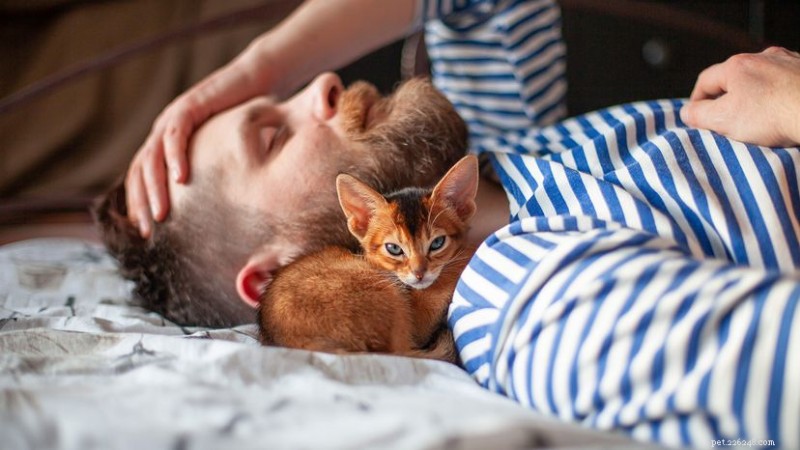
Waking up to a warm, furry weight on your head is a common, if sometimes unexpected, experience for cat owners. Rather than a quirky habit, this behavior reflects a blend of instinct, comfort, and deep bonding between you and your feline companion.
Seeking Warmth and Comfort
Cats are naturally drawn to warm spots. Your head radiates body heat throughout the night, making it one of the warmest places on the bed. The steady warmth, coupled with a soft pillow or blanket, creates an ideal napping surface—especially in cooler environments.
Because the head is relatively still compared to the legs or feet, it offers a stable surface for uninterrupted rest.
Expressing Affection and Trust
A cat that sleeps near your face is signaling that it feels safe and bonded with you. Although domestic cats evolved as solitary hunters, they are capable of forming strong social ties with trusted humans. Resting on or near your head can be a form of snuggling, a way to share personal space, and a clear sign of affection.
Scent Marking and Territory
Feline scent glands located on the cheeks, paws, and head release a subtle odor that marks territory. By rubbing against your head or sleeping beside it, your cat may be marking you with its scent, reinforcing familiarity and security. The personal scent of your hair and pillow also attracts them.
Instinctive Safety Behaviors
In the wild, cats choose sleeping spots that allow them to rest while remaining alert. Sleeping on your head gives them a warm, protected location close to a trusted individual, satisfying an instinctual need for safety even in an indoor setting.
Habit and Preference
Some cats simply enjoy the elevated, quiet spot your head offers. Early‑life experiences, such as a kitten learning to sleep in a particular place, can cement this habit. Over time, the behavior becomes a comforting nightly routine.
Is It Safe for You and Your Cat?
Generally, a cat sleeping on your head poses minimal health risk. However, owners should consider potential disease transmission, especially if the cat is outdoors or not fully vaccinated. Regular veterinary care, up‑to‑date vaccinations, and good grooming reduce these risks. Allergic reactions or sleep disturbances can arise; if this occurs, gentle redirection is advisable.
How to Encourage a More Comfortable Sleeping Spot
Provide alternative cozy options nearby—soft pillows, blankets, or a cat bed placed within arm’s reach. A familiar scent, such as a worn t‑shirt, can entice the cat to use the new spot. Maintain a clean litter box, accessible water, and regular feeding to satisfy basic needs and lessen the need to seek comfort on your head.
When necessary, use gentle training techniques to redirect the cat, ensuring it feels secure without turning your head into its personal pillow.
This article was created in collaboration with AI technology and subsequently fact‑checked and edited by a HowStuffWorks editor.
- Pet Behavior
- Pet Breeds
- Pet Names
- Pet Adoption
- Pet Training
- Cat Stories
- Pet Health
- Adorable Pets
- Cats
- Introducing Cats: Expert Insights into Their Behavior
- Gideon's Journey: Overcoming a Spinal Cord Injury to Return to Flyball
- How to Empower Your Overly Submissive Dog: Proven Training Tips
- Shollie: The Ultimate Border Collie × German Shepherd Mix – Intelligent, Loyal, Athletic Family Guard
- Choosing the Right Lettuce for Your Rabbit: Safe, Nutritious Options
- Master Heel Placement: A Guide to Secure and Comfortable Riding
- When to Take Your Cat to the Emergency Vet: Recognizing Critical Symptoms