

Why Your Cat May Be Panting: Red Flags and When to Call the Vet
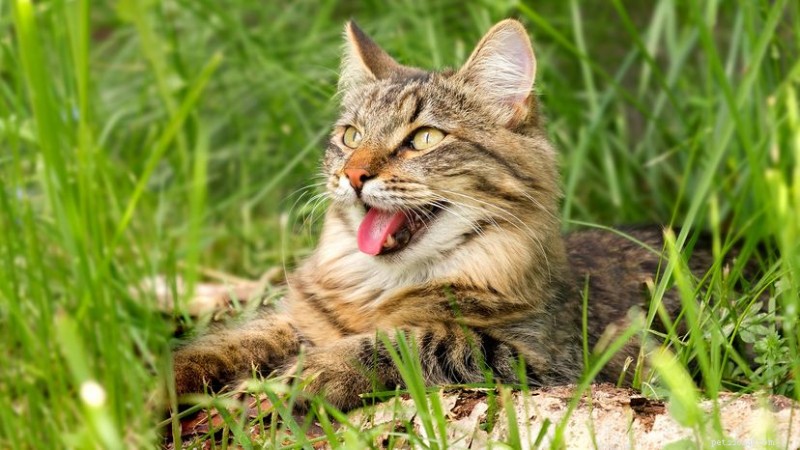
Cats rarely pant, so when they do, it often signals a problem. Notice heavy breathing or an open mouth? Take it seriously.
Although brief panting can occur after play or stress, persistent or unexplained panting may indicate a serious health issue that warrants a vet visit.
When Is Panting Normal?
Cats may pant briefly after strenuous activity, such as running on a treadwheel. Kittens or young cats engaged in vigorous play can also exhibit temporary panting.
Similarly, heat, excitement, or sudden loud noises can trigger short bouts of panting. In these situations, the breathing usually returns to normal once the cat calms.
Keep your cat cool, provide plenty of fresh water, and reduce stressors. Most cats recover quickly, but monitoring is essential.
When Panting Signals a Problem
If panting is persistent or accompanied by other warning signs—pale gums, loss of appetite, lethargy—it may point to a serious condition. Cats rarely open their mouths to breathe unless something is amiss.
Heavy breathing or rapid breathing may be caused by:
- Feline asthma: An acute attack can cause wheezing and labored breathing.
- Respiratory infections: Viral or bacterial illnesses can inflame the lungs.
- Congestive heart failure: Fluid accumulation around the heart and lungs impairs oxygen uptake.
- Heatstroke: High body temperature during hot weather can provoke rapid panting.
- Foreign object: An inhaled item can block the airway, causing distress.
Senior cats or those with preexisting heart or lung disease are especially vulnerable. Prompt attention is key.
Diagnosis and Treatment
Veterinarians typically start with chest radiographs, blood work, and pulse oximetry to pinpoint the cause. Treatment may involve supplemental oxygen, IV fluids, anti‑inflammatory drugs, and addressing anemia if present.
Early intervention can dramatically improve outcomes. While asthma responds well to timely therapy, heart failure and chronic infections often necessitate ongoing management.
What Should Cat Owners Do?
When you observe panting, remain calm and act swiftly. Create a calm environment, monitor for additional signs, and contact your vet promptly.
If the situation feels urgent—rapid breathing, collapse, or cyanosis—take your cat to an emergency clinic right away. Rapid oxygen deprivation can be fatal; early care saves lives.
To summarize, brief panting after play or stress is usually harmless. Persistent or unexplained panting should not be ignored—it may signal serious respiratory or cardiac problems.
If you’re uncertain, the safest answer is: call your veterinarian.
This article was generated with AI assistance and subsequently fact‑checked and edited by a HowStuffWorks editor.
- Pet Behavior
- Pet Breeds
- Pet Names
- Pet Adoption
- Pet Training
- Cat Stories
- Pet Health
- Adorable Pets
- Cats
- How to Spot Signs of a Healthy Puppy: A Comprehensive Guide
- What Cat Sounds Are Loved and Loathed by Owners
- Determining the Age of Wild Rabbits: Signs & Tips
- Effective Flea Removal for Nursing Dogs: Safe & Gentle Methods
- Why Does My Dog Urinate When I Pet Him? Common Causes & Solutions
- Over 175 Elegant Doberman Pinscher Names to Match Your Dog’s Personality
- 15 Human Foods That Are Dangerous to Cats – What You Need to Know