

Can Cats Safely Eat Cheese? Which Cheeses Are Cat‑Friendly?
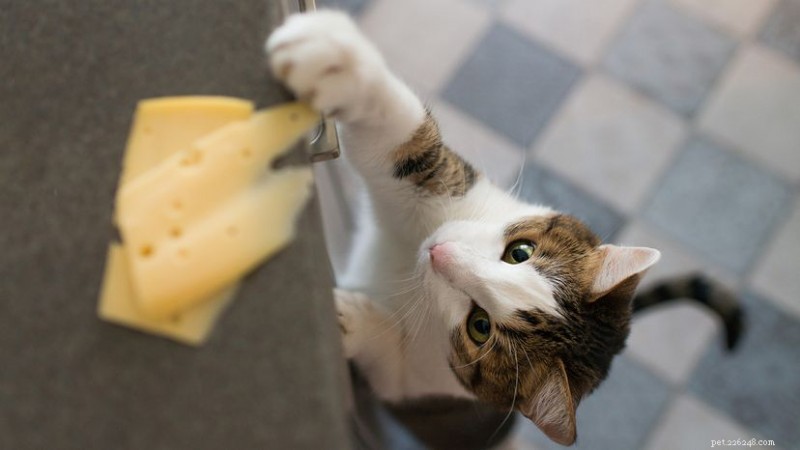
Can cats safely eat cheese? The answer depends on your feline’s individual tolerance and the type of cheese.
Most domestic cats are lactose intolerant—meaning they lack sufficient lactase to digest lactose, the sugar found in milk and most dairy products. Feeding cheese can therefore trigger vomiting, flatulence, or diarrhea in sensitive cats. Because cats are obligate carnivores, their diet should be centered on high‑quality animal protein rather than dairy.
That said, a tiny, plain piece of certain cheeses can be offered as an occasional treat if your cat tolerates it. The key is to choose the right variety and monitor your cat’s reaction.
Why Many Cats Can’t Handle Cheese
Lactose intolerance is the primary reason most cats react poorly to cheese. The low lactase activity in a cat’s small intestine means lactose remains largely undigested, leading to osmotic diarrhea and gas. If your cat has previously shown discomfort after a bowl of milk, it’s likely lactose intolerance is the culprit.
Which Cheeses Are (and Aren’t) Safe?
Not all cheeses are created equal. Below are common varieties ranked by their lactose content and safety for cats:
- Cheddar: Low lactose and firm texture make it a popular choice for training treats. Offer only a pea‑sized chunk.
- Cottage cheese: Lower in fat but still a dairy product—use sparingly and watch for reactions.
- Cream cheese: High in both fat and lactose; best avoided.
- Mozzarella: Soft, higher lactose; generally best avoided even in small amounts.
- Brie: Often made from unpasteurised milk and may harbor harmful bacteria; not recommended.
- Blue cheese: Contains Penicillium mold that can produce mycotoxins harmful to cats; avoid at all costs.
Never give cheese that contains garlic, onions, or other herbs—these ingredients are toxic to cats.
Can Cheese Be a Healthy Option?
While cheese does provide protein and calcium, it also contains high levels of saturated fat and sodium. Regular consumption can contribute to obesity, pancreatitis, or kidney disease in cats. For these reasons, cheese should be reserved for rare, small treats rather than a staple.
Dairy Allergies vs. Lactose Intolerance
Some cats may develop a true dairy allergy rather than just lactose intolerance. Allergic reactions can include skin irritation, itching, vomiting, or chronic gastrointestinal upset. If your cat exhibits any of these symptoms after dairy exposure, discontinue use and consult your veterinarian.
4 Tips for Feeding Cheese Safely
- Choose plain cheese with no added herbs, spices, or flavourings.
- Offer it cooked or pasteurised; raw cheese can contain harmful bacteria.
- Avoid giving cheese as part of a larger, multi‑ingredient dish such as a cheeseburger.
- Keep the portion to a pea‑sized bite—no more than a few grams.
After introducing any new food, observe your cat for the next 24–48 hours for signs of digestive upset. If your cat has a history of food sensitivities or allergies, it’s safest to skip cheese entirely.
We created this article with AI assistance, then had it fact‑checked and edited by a HowStuffWorks editorial team.
- Pet Behavior
- Pet Breeds
- Pet Names
- Pet Adoption
- Pet Training
- Cat Stories
- Pet Health
- Adorable Pets
- Cats
- Bichon Frise: Comprehensive Guide to Traits, Care, and Training
- Puppy Grooming Essentials: Timing, Tips, and Maintaining a Fresh, Healthy Coat
- 17 Trending Pet Names That Sparked Social Media Buzz This Month
- Charlie Marks One Year in Kansas City: A Heartwarming Milestone
- What Dogs Should Never Eat: A Complete Guide to Common Poisons
- New Study Confirms Grain-Free Dog Food Is Not Linked to Dilated Cardiomyopathy
- Electric Dog Fencing: Expert Guide to Safety, Setup, and Benefits