

Why Does My Cat Meow Excessively? Causes & Effective Solutions
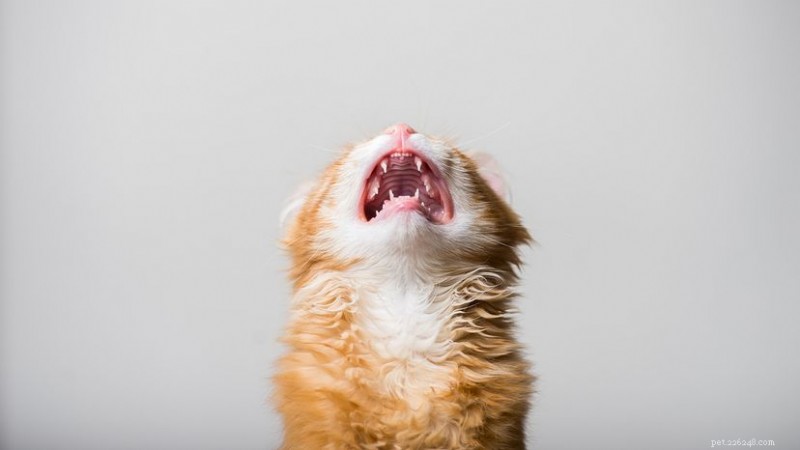
If you find yourself wide awake at 2 a.m. wondering why your cat is meowing incessantly, you’re not alone. Cats use vocalization to communicate, but when it becomes excessive it can signal a change in their environment or a medical issue.
Common Reasons for Excessive Meowing
Adult cats normally meow to get human attention. When a cat feels hungry, bored, or simply wants to be pet, it may use vocalizations as a learned cue. Spayed or neutered cats that have not yet been sterilized often meow more during heat or mating cycles.
Feeding schedules, lack of interactive play, or the presence of a new pet or move can also trigger constant vocalizations. If you notice your cat consistently meowing for food or attention, consider using an automatic feeder or setting structured playtime.
Medical Conditions That Trigger Vocalization
Persistent, unexplained meowing in an older cat may indicate cognitive dysfunction, a feline analogue of dementia. Symptoms include nighttime restlessness and confusion.
Other health issues—such as chronic kidney disease, hyperthyroidism, or sensory loss (hearing or vision)—can also provoke increased vocal behavior. If the meowing is new or has escalated, a veterinary exam is essential.
Behavioral & Environmental Factors
Changes in a cat’s routine—like a new household member, relocation, or prolonged solitude—can prompt meowing. Cats may also cry out to enter or exit the home, especially if they’re used to indoor‑outdoor access.
Providing a safe outdoor enclosure or a cat door can satisfy their urge to explore while reducing nighttime disturbances.
Breed‑Specific Vocal Traits
Some breeds are naturally more vocal. Siamese, for instance, are known for their conversational meows. If you own a breed that tends to talk a lot, structured routines and interactive play can help manage the volume.
Practical Steps to Reduce Excessive Meowing
1. Rule out health problems. Schedule a veterinary visit if the behavior is new or worsening.
2. Enrich the environment. Use puzzle feeders, rotating toys, and daily play sessions to keep your cat mentally stimulated.
3. Maintain basic needs. Ensure fresh water, a clean litter box, and easy access to food.
4. Use scheduled feeding. A predictable meal timetable can reduce hunger‑driven vocalization.
5. Consider spaying/neutering. This can dramatically cut vocal behaviors linked to heat cycles.
6. Leave a calming presence. If you’re away for long periods, a pet sitter or a safe, familiar environment can lessen the sense of loneliness that drives meowing.
We crafted this article using AI tools and then had it fact‑checked and edited by a HowStuffWorks editor to ensure accuracy and reliability.
- Pet Behavior
- Pet Breeds
- Pet Names
- Pet Adoption
- Pet Training
- Cat Stories
- Pet Health
- Adorable Pets
- Cats
- Are Oranges Safe for Dogs? Expert Guide to Feeding Citrus Safely
- 7 Expert Ways to Ensure Your Cat’s Happiness and Health
- Beauceron Dog Breed Profile: History, Traits & Care Guide
- Why Your Dog Runs Away When You Call: Understanding and Fixing the Problem
- Choosing the Premium Dog Food That Truly Benefits Your Pet
- Why Does a Dog’s Hair Stand Up? Common Causes Explained
- Why Dogs Chew Their Hindquarters: Common Causes & When to See a Vet