

Are Oranges Safe for Cats? Understanding the Risks and Alternatives
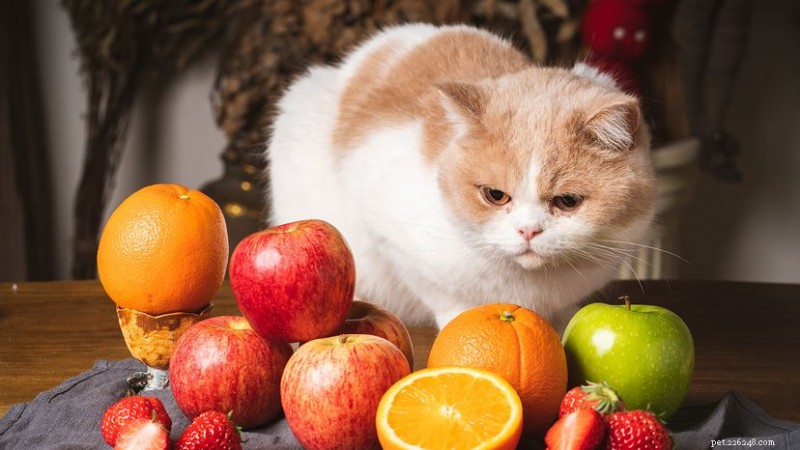
Oranges are a favorite snack for many people, rich in vitamin C and bursting with sweet‑tangy flavor. But when it comes to our feline companions, the short answer is: cats should not eat oranges.
Why Oranges Are a Big No for Cats
Unlike humans, cats are obligate carnivores. Their digestive systems are fine‑tuned for meat, and they do not require fruit in their diet. Citrus fruits contain essential oils—primarily limonene, linalool, and limonene derivatives—as well as citric acid. These compounds are toxic to cats and can trigger gastrointestinal upset, including vomiting and diarrhea. In more severe cases, ingestion may lead to central nervous system depression, resulting in impaired coordination and lethargy.
The aroma of citrus can be overwhelming for most cats, which is why orange peels are sometimes used in homemade repellents. The skin, seeds, and inner pith harbor the highest concentrations of toxic compounds, making them especially hazardous.
What Happens If a Cat Eats Orange
Should a curious cat nibble on a small piece of orange flesh, they may experience an upset stomach—drooling, vomiting, or a reduced appetite are common early signs. Larger quantities or chewing on peels can intensify the reaction, potentially leading to tremors, lethargy, or uncoordinated movements. If you suspect orange poisoning, contact a veterinarian immediately. Early intervention is critical to prevent lasting damage to the nervous system.
Why Vitamin C Isn’t a Selling Point for Cats
Domestic cats synthesize their own vitamin C, eliminating the need to obtain it from foods. The high sugar content in oranges also poses risks: excessive consumption can contribute to obesity, diabetes, and other metabolic disorders. Even a tiny piece of orange provides negligible nutritional benefit, so it is safer to offer cat‑approved treats that support a balanced diet.
What Pet Parents Should Do Instead
When diversifying a cat’s diet, opt for foods that are proven safe. Small amounts of blueberries or banana slices are generally well tolerated, but should still be given sparingly. Avoid grapes, raisins, and all citrus fruits entirely. Always consult a veterinary professional before introducing any human food into your pet’s regimen, and monitor for gastrointestinal upset or allergic reactions.
Remember: a food that is healthy for humans is not automatically safe for cats. Their physiology is distinct, and their nutritional needs are specific. When in doubt, seek veterinary advice.
© 2026 HowStuffWorks. This article was created with AI assistance and fact‑checked by a HowStuffWorks editor.
- Pet Behavior
- Pet Breeds
- Pet Names
- Pet Adoption
- Pet Training
- Cat Stories
- Pet Health
- Adorable Pets
- Cats
- Amphipods: Essential Calcium‑Rich Food for Amphibians & Reptiles
- Why and How to Sterilize Your Cat: A Guide for New Pet Owners
- Understanding Cat Grass: Purpose, Benefits, and Care for Your Feline Companion
- 8 Must-Know Brazilian Dog Breeds
- Why Does Your Dog Keep Turning Over His Food Bowl? Common Causes Explained
- Top Medium-Sized, Low-Shedding Dogs for Calm Home Life
- Understanding Why Dogs Drag Their Butts: Causes and Solutions