

5 Distinct Bobtail Cat Breeds and Their Charming Short Tails
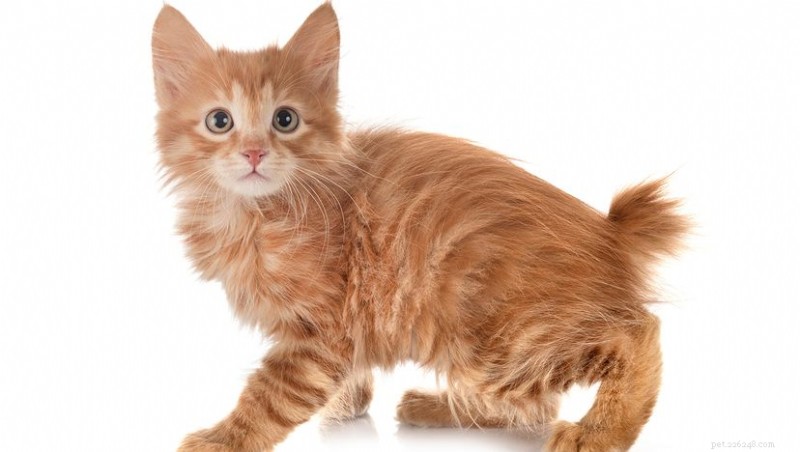
Picture a cat that appears to have stepped straight from a wilderness survival show, yet purrs contentedly when you scratch behind its ears.
The stubby tail, however, is more than a cosmetic feature—it reflects a fascinating blend of genetics, evolutionary history, and folklore.
Bobtail cats are defined by their shortened tails, but the breeds themselves span continents and offer a variety of personalities. Whether you’re a seasoned cat lover or a dog‑centric family considering a feline addition, these breeds may just bridge the gap.
What Is a Bobtail Cat?
A bobtail cat has a tail that is markedly shorter than that of a typical domestic cat. While most cats sport a long, sweeping tail, bobtails may have a tail that is kinked, curled, or only a few inches long.
In most cases this distinctive short tail is the result of a naturally occurring genetic mutation, though selective breeding can also create the trait.
Many bobtails—especially the American Bobtail and the Jungle Curl—exhibit a slightly wild appearance. Their hind legs tend to be longer than those of other domestic breeds, giving them a “wild‑cat” gait.
Despite their rugged looks, bobtails are often affectionate and exhibit dog‑like loyalty, forming strong bonds with their human families.
5 Bobtail Breeds Around the World
1. American Bobtail
Developed by John and Brenda Sanders in the United States, the American Bobtail began when they discovered a short‑tailed kitten named Yodie on an Indian Reservation in Arizona. Breeding Yodie with their female cat produced a medium‑sized cat with a semi‑long coat, a broad chest, and a friendly demeanor.
American Bobtails are known for their strong attachment to humans and even enjoy walking on a leash.
2. Japanese Bobtail
These elegant cats are considered a symbol of good fortune in Japan. Their tails resemble pom‑poms, and they are known for their vocal, energetic personalities. An ancient breed, they are also effective mousers.
3. Pixie Bob
Rumored—though not confirmed—to descend from bobcats, the Pixie Bob is a wild‑looking breed with a short tail. Like American Bobtails, they are selectively bred for both temperament and appearance.
4. Mekong Bobtail
Hailing from Southeast Asia, the Mekong Bobtail is a regal breed noted for its blue eyes, short tail, and slender build. Though less well known, it remains a striking addition to the bobtail family.
5. Jungle Curl
With curled ears and a bobbed tail, the Jungle Curl is a hybrid that combines traits from domestic cats and the African Jungle Cat. This cross results in a unique, agile companion.
Honorable Mention: Manx Cats
While not typically grouped with bobtails due to their complete lack of a tail, Manx cats exhibit a stubby‑tail appearance. Their genetics can sometimes lead to spinal issues such as spina bifida, so responsible breeding is essential.
Why Do Some Cats Have a Short Tail?
Short tails arise from tail mutations—changes in DNA that influence tail growth and structure. This trait is dominant in breeds like the American Bobtail; if one parent carries the gene, the kitten is likely to inherit it.
These mutations are usually harmless, but breeders must remain vigilant. In some breeds, improper breeding can result in spinal problems.
Tail types vary widely: from corkscrew curls to puffballs. It is not uncommon to find two tails that look entirely different within the same litter of American Bobtail kittens.
Living With a Bobtail
Bobtails make excellent household companions. They adapt well to living with other pets—dogs, small animals, and even curious toddlers. Many display a dog‑like demeanor, following people around and even learning to play fetch.
Grooming needs depend on coat type. Long‑haired variants, such as some American Bobtails, require regular brushing to remove loose hair. Regardless of coat length, consistent grooming promotes dental health and keeps fur looking its best. Most bobtails shed moderately, especially during seasonal transitions.
Even with a short tail, bobtails use tail movements—swishing, twitching, and puffing—to communicate. Their body language is often easier to interpret than that of other cats.
Unique Features of the American Bobtail
- Coat: Ranges from short to semi‑long, featuring patterns in nearly every color imaginable.
- Build: Stocky with a broad chest, reminiscent of a feline golden retriever.
- Behavior: Outgoing, social, and often described as dog‑like.
- Adaptability: Ideal for families with children, other cats, or diverse pets.
- Colors: Available in a wide spectrum, including tabby, blue, and calico.
Bobtail Cats vs. Full‑tailed Felines
Compared to full‑tailed cats, bobtails often express emotions through posture and vocalizations rather than sweeping tail motions. Their lack of a long tail does not diminish their agility; powerful hind legs and a keen sense of balance keep them just as capable.
Bobtail Cats and Urban Legends
One enduring myth suggests breeds like the Pixie Bob descend from wild bobcats. While this idea contributes to their wild appearance, no scientific evidence supports it.
Another legend claims that bobtails can deter larger predators with their bobbed tails, giving them an edge in survival. Although unverified, it offers a charming nod to their rugged nature.
Breeding and Genetic Health
The Cat Fanciers Association officially recognizes the American Bobtail. Professional breeders focus on maintaining health and temperament while celebrating the quirky charm of a bobbed tail.
Even among naturally bobbed cats, variations exist. Breeders meticulously track lineage to prevent health issues associated with tail mutations. Responsible practices include genetic screening and close observation of physical development.
Bobtails are ideal companions for those who desire a pet that blends the independence of a cat with the sociability of a dog.
We created this article with AI assistance and subsequently fact‑checked and edited it by a HowStuffWorks editor.
- Pet Behavior
- Pet Breeds
- Pet Names
- Pet Adoption
- Pet Training
- Cat Stories
- Pet Health
- Adorable Pets
- Cats
- New Poison Frog Species Discovered in Guyana Rainforest, Threatened by Ecotourism
- Top Austin Veterinarians: A Trusted Guide for New Pet Owners
- Ragdoll Cats 101: Traits, Care, and Choosing the Right Kitten
- Should Your Dog Drink from the Toilet? Risks, Reasons, and Safe Alternatives
- Japanese Spitz: Breed Overview, Care & Characteristics
- Austrian Black and Tan Hound – Complete Breed Profile
- Seven Key Facts Every Dog Owner Must Know Before Switching to a Raw Diet