

Are Tomatoes Safe for Cats? A Practical Guide
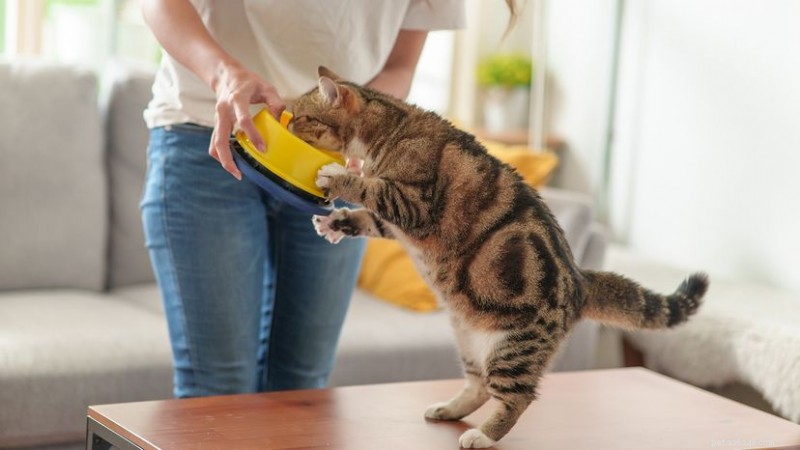
If you’ve ever seen your feline friend eyeing your salad, you may wonder: can cats safely consume tomatoes? The answer is nuanced. While cats are obligate carnivores, they occasionally nibble on human foods. However, not all fruits and vegetables are safe for them.
Ripe vs. Unripe Tomatoes
Ripe, red tomatoes in small quantities are generally safe for cats. They contain vitamin C, potassium, and antioxidants—nutrients that are beneficial for humans but unnecessary in a feline diet that already meets these needs through high‑protein foods. Green, unripe tomatoes and the plant’s leaves, stems, and buds belong to the nightshade family and contain solanine. Solanine is toxic to cats and can cause gastrointestinal distress.
Signs of Tomato Toxicity
If a cat ingests unripe tomatoes or plant parts, watch for the following early indicators of poisoning:
- Gastrointestinal upset such as diarrhea or loose stools
- Excessive thirst or drooling
- Lethargy or confusion
- Dilated pupils or visual disturbances
- In severe cases, irregular heart rate or neurological symptoms that may require emergency care
Should your cat display any of these signs, contact your veterinarian immediately.
What About Tomato Products?
Commercial cat foods that include cooked tomato are formulated to be safe. In contrast, human‑grade tomato products—sauces, soups, pasta sauces, pizza toppings—often contain garlic, onions, salt, sugar, and other herbs that are highly toxic to cats. A spoonful of tomato sauce may therefore expose your pet to multiple harmful ingredients.
Safer Treat Alternatives
When you’re looking to treat your cat beyond regular food, opt for items that are proven safe:
- Plain cooked meat such as chicken or turkey (no seasoning)
- A small amount of plain pumpkin for fiber (no added sugar)
- Commercially prepared treats specifically designed for felines
Reserve your salad and other leftovers for yourself unless you can confirm every component is non‑toxic to cats.
This article was created with AI assistance and subsequently fact‑checked and edited by a HowStuffWorks editor.
- Pet Behavior
- Pet Breeds
- Pet Names
- Pet Adoption
- Pet Training
- Cat Stories
- Pet Health
- Adorable Pets
- Cats
- Heartwarming Photos of a Rescued Tortoise and His Golden Retriever Friend
- How Cats Influence Your Personal Relationships: The Science Behind the Bond
- Easy 4‑Ingredient Organic Dog Food Recipe for Healthy, Homemade Meals
- 16 Expert Vet Tips for Optimal Dog Nutrition & Feeding
- How to Care for a Vomiting Cat: Feeding Tips & When to Seek Vet Care
- Top 7 Bedding Options for Guinea Pig Comfort and Health
- Top Indoor Activities to Keep Your Pets Engaged and Happy