

Siberian Cats: Judges, Owners, and the Breed’s Allure
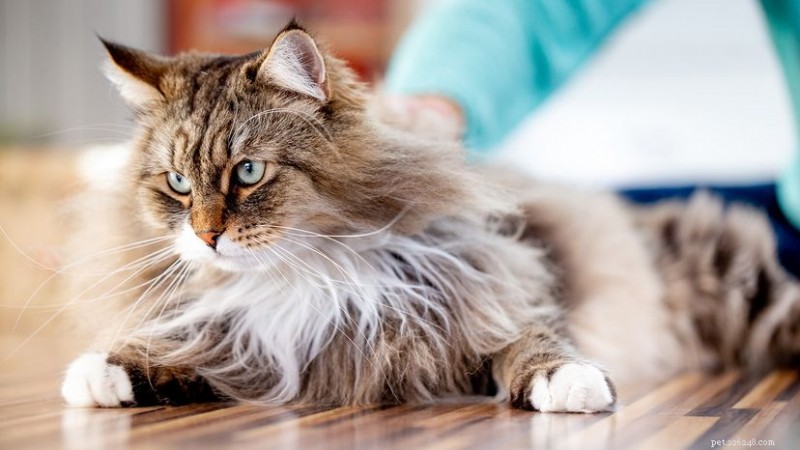
If you picture a majestic, powerfully built feline that seems to have leapt out of a snowy forest in a Russian fairy tale, you’re likely thinking of the Siberian. These long‑haired cats are not only a visual marvel but also one of the newest breeds formally recognized by major cat registries.
What Siberian Cats Look Like
The Siberian is a medium‑to‑large breed celebrated for its dense, triple‑layered coat, bushy tail, and a sweet, approachable expression. Slightly longer hind legs give it an impressive vertical reach, a trait refined for snowy environments and an overall impression of grace and strength.
Triple‑Layered Coat
Engineered for Russia’s brutal winters, the Siberian’s coat consists of a soft undercoat, a middle insulating layer, and a long outer coat with water‑repellent guard hairs. Kittens begin life with a fluffy coat that matures slowly, reaching full adult plumage around five years of age. Because of its structure, the fur stays organized, reducing shedding in the home. Regular brushing—especially during spring and fall—prevents matting and keeps the coat glossy.
Cat Allergies and Siberians
While some owners report fewer allergic reactions with Siberians, scientific studies have not consistently shown lower levels of Fel d 1 protein. The coat’s texture helps reduce hair distribution, which can make these cats feel cleaner for families sensitive to pet dander.
Origins Rooted in Folklore and Function
Early references to long‑haired Russian cats appear in 19th‑century European literature, including the 1889 book “Our Cats and All About Them” by Harrison Weir. Recognized officially by the International Cat Association (ICCA) and the Cat Fanciers’ Association (CFA), Siberians were first formally bred in the 1980s in Russia. The Kotofei Cat Club issued some of the earliest pedigrees in 1987.
Although often compared to Maine Coons and Norwegian Forest cats, Siberians have a distinct profile: a modified wedge head, rounded contours, and slightly narrowed outer eye corners that create an irresistibly sweet-faced look. Color patterns vary from brown tabby to white with odd eyes or blue eyes; the Neva Masquerade variety even features color‑point markings reminiscent of Siamese cats.
Siberian Temperament and Personality
Siberians are more than just fluff balls. They are loyal, dog‑like companions who thrive on interaction. They get along well with other cats, dogs, and even exotic pets, making them ideal for multi‑pet households. Their front and hind leg structure contributes to natural agility, while their playful nature means they need space and engaging toys to stay stimulated.
Health and Diet
Generally healthy, Siberians can be predisposed to hypertrophic cardiomyopathy (HCM). Reputable breeders routinely test for HCM and provide health clearances to support responsible breeding practices.
Dietally, they require high‑protein, balanced cat food to support their energy levels and dense coat, especially during shedding seasons. Adequate nutrition is key to maintaining their long, lustrous fur and overall wellbeing.
Grooming That Glows
The thick coat demands attention, particularly during spring and fall when shedding peaks. Weekly brushing prevents matting and keeps hair in check. Unlike some other breeds, Siberians’ coats tend to resist tangling, but consistent maintenance is essential for a healthy, glossy appearance.
Siberians vs. Maine Coons vs. Norwegian Forest Cats
Key distinctions emerge when comparing these long‑haired breeds. Maine Coons often have a squarer muzzle and a slightly more relaxed demeanor. Norwegian Forest cats feature a straight profile and a lighter build. Siberians blend strength, agility, and a rounded, sweet‑faced look, supported by a triple coat and water‑resistant fur that offers superior protection against the elements.
Fun Facts and Community Connections
Thanks to clubs like the Kotofei Cat Club, Siberians enjoy growing visibility and popularity at global cat shows. Owners frequently note their cats’ dog‑like behaviors—fetching toys, following their humans, and an affinity for water—traits that set them apart from other breeds.
Visual Appeal and Show Standards
Judges appreciate Siberians not only for their coat but also for overall balance and strength. The modified wedge head narrows slightly at the muzzle, while the outer eye corners give a gentle upward slant that emphasizes intelligence. Eye colors range from green‑gold to blue, with odd eyes occurring especially in white cats. Their thick coat, longer back legs, and medium‑to‑large frame create a rugged yet elegant silhouette refined through selective breeding.
Raising and Living With Siberians
Early socialization is vital. Frequent handling and exposure to diverse stimuli help Siberian kittens become well‑adjusted adults. Their playful, intelligent nature thrives on puzzle toys and interactive games. As they mature, dietary needs evolve; a high‑protein, meat‑based diet supports healthy development and a luxurious coat. Breeders advise owners to prepare for shedding seasons, during which the thick coat can become particularly unruly.
Our article was created with AI assistance, then thoroughly fact‑checked and edited by a HowStuffWorks editor.
- Pet Behavior
- Pet Breeds
- Pet Names
- Pet Adoption
- Pet Training
- Cat Stories
- Pet Health
- Adorable Pets
- Cats
- At-Home Pet Allergy Test for Cats: Easy, Reliable, & Accurate Results
- Red Cat Eyes? Identify Causes & Get Effective Care
- Common Cat Misconceptions: 7 Behaviors Explained
- Why Dogs Claim Your Couch Spot – Insights and Practical Tips
- TV Star Daniel Henney Saves 67 Dogs from Cruel Meat Farm in South Korea
- Is Cheese Safe for Cats? A Comprehensive Guide
- Rise in Police Dog Shootings Raises Alarm Over Public Safety