

Are Snake Plants Safe for Cats? Expert Review of Toxicity and Prevention
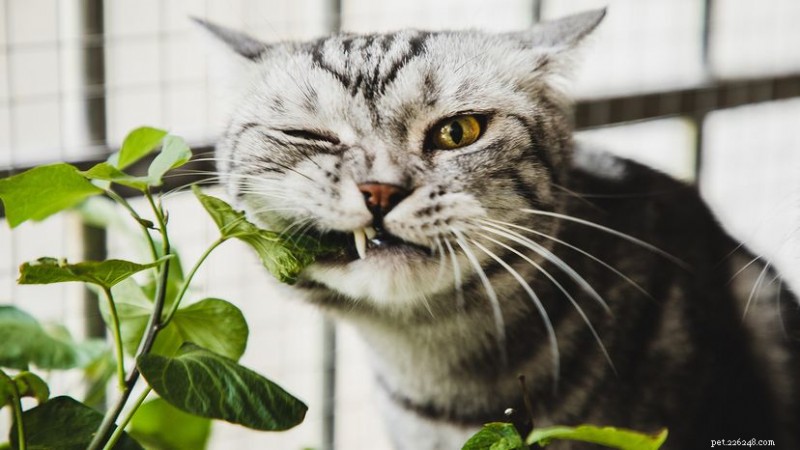
Snake plants (Sansevieria trifasciata), commonly called mother‑in‑law’s tongue, are prized for their resilience and low maintenance. However, for cat owners, these plants can pose a risk. This article explains the science behind snake plant toxicity, identifies symptoms, offers first‑aid guidance, and highlights safer alternatives.
Why Snake Plants Are Considered Toxic to Cats
Snake plants contain saponins, natural compounds that protect the plant from pests. When ingested by cats, saponins can irritate the gastrointestinal tract, leading to mild to moderate poisoning. While they are not classified as highly lethal, repeated exposure can result in dehydration and lethargy.
6 Common Symptoms of Snake Plant Ingestion
- Oral irritation: drooling, pawing at the mouth
- Vomiting
- Diarrhea
- Loss of appetite
- Lethargy
- Swelling of the tongue or lips
These signs usually appear within a few hours of ingestion. If you notice any of them, act promptly.
What to Do When a Cat Eats a Snake Plant
1. Remove visible plant material. Gently wipe the mouth with a clean cloth.
2. Contact a veterinarian immediately. Even mild symptoms warrant professional evaluation.
3. Possible treatments: fluid therapy, anti‑emetics, and, if ingestion is recent, induced vomiting under veterinary supervision.
Understanding Snake Plant Toxicity
The toxic effect of saponins arises from their ability to disrupt cell membranes in the gut, causing inflammation and pain. The severity depends on the amount ingested, the cat’s size, age, and overall health. While many cases resolve with supportive care, a few can require hospitalization.
For context, other household plants such as Easter lilies are far more dangerous, causing acute kidney failure. Jade and peace lilies can also cause gastrointestinal upset but are generally less severe than snake plants.
Individual Variability in Cat Reactions
Not all cats react the same way. A small cat may tolerate a bite with no symptoms, whereas a larger cat could develop severe gastrointestinal distress. Factors like age, pre‑existing conditions, and the quantity of plant material consumed influence outcomes.
Why Cats Are Drawn to Houseplants
Curiosity and instinct drive cats to chew on plants. Some cats use chewing to aid digestion or relieve hairball discomfort, but toxic plants can counteract these benefits and pose serious health risks.
Even plants marketed as safe, such as spider plants and Boston ferns, should be monitored if over‑consumed.
Other Toxic Plants to Watch Out For
- Dieffenbachia: causes oral irritation and drooling.
- Philodendron: can lead to swelling and difficulty swallowing.
- Aloe vera: safe for humans but toxic to pets.
Cat‑Friendly Plant Alternatives
- Spider plants – non‑toxic, attractive foliage.
- Boston ferns – lush, pet‑safe leaves.
- Areca palms – decorative and safe.
- Calathea – patterned leaves, no known toxins.
Prevention Tips for Cat Owners
- Choose only certified cat‑safe plants.
- Place plants out of reach or in closed containers.
- Use natural deterrents like citrus peels or commercial sprays.
- Provide designated pet grasses for chewing.
Keeping these practices in mind helps protect your cat’s health while still enjoying indoor greenery.
Snake plant ingestion is usually not fatal but can cause discomfort and complications. Recognize symptoms early, seek veterinary care, and consider safer plant options.
This article was fact‑checked by a HowStuffWorks editor and incorporates input from veterinary experts.
- Pet Behavior
- Pet Breeds
- Pet Names
- Pet Adoption
- Pet Training
- Cat Stories
- Pet Health
- Adorable Pets
- Cats
- Effective Strategies for Safely Helping Your Cat Lose Weight
- Top 11 Double-Coated Dog Breeds Ideal for Extreme Weather
- Pet Cancer Awareness Month: Spot the Early Signs and Protect Your Furry Friend
- Can Cats Eat Turkey? A Vet‑Approved Guide for Christmas Meals
- Do Dogs Actually Hear Your Thoughts? Understanding the Science Behind Canine Insight
- Why Do Dogs Eat Grass? Understanding the Behavior & When to Act
- Is Pineapple Safe for Dogs? A Comprehensive Guide