

Cat Drooling: When It’s Normal and When to Seek Veterinary Care
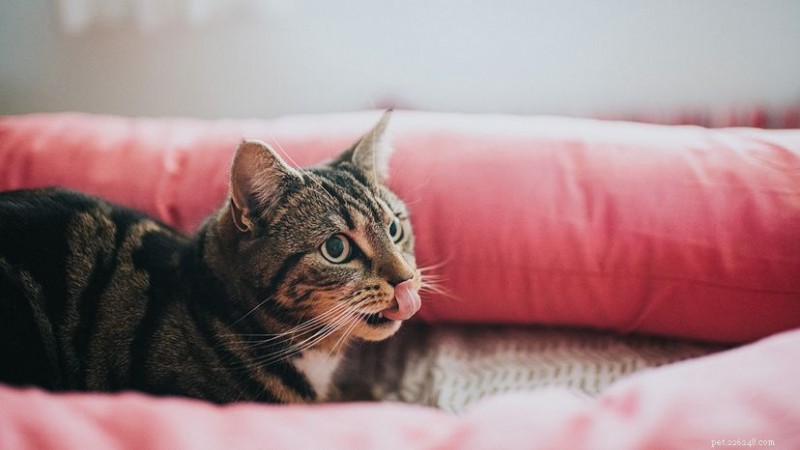
A little slobber can shift from cute to concerning when other warning signs appear. Catherine Falls Commercial / Getty Images
When Drooling Is Completely Normal
Occasional drooling is harmless in many cats, especially when they are relaxed, purring, kneading, or dozing in your lap. This minimal saliva usually fades quickly and is simply part of their relaxed state.
Common Dental and Oral Issues
Dental problems are the leading cause of excessive drooling. Gum disease, loose teeth, mouth ulcers, and foreign objects lodged in the teeth can all trigger painful salivation. According to the American Veterinary Medical Association, routine veterinary dental exams are essential for early detection and prevention.
Untreated oral disease can reduce appetite and make swallowing difficult. Professional cleaning and treatment help maintain your cat’s oral health and overall well‑being.
Other Medical Causes for Excessive Drooling
When a cat drools profusely and seems distressed, consider these additional health concerns:
- Gastrointestinal upset or nausea
- Motion sickness during travel
- Heatstroke in hot weather
- Respiratory infections affecting breathing
- Foreign body ingestion
- Neurological abnormalities
- Toxic exposure (human medications, poisonous plants)
If you suspect poisoning, call the Pet Poison Helpline immediately; quick intervention can be lifesaving.
When to Seek Veterinary Care
Persistent drooling, especially when paired with decreased appetite, lethargy, gagging, or breathing difficulty, warrants a veterinary visit. A thorough examination can identify the underlying cause and guide treatment.
What Cat Owners Should Watch For
Monitor your cat’s drooling patterns and any changes in behavior. Signs such as pawing at the mouth, gagging, or sudden lethargy should prompt you to consult a vet.
How Vets Treat Excessive Cat Drooling
Veterinary evaluation typically starts with a mouth and teeth exam, followed by X‑rays or bloodwork if needed. Treatment options may include dental cleaning, anti‑nausea medication, or surgical removal of foreign objects—always tailored to the root cause.
Prevention Tips and At‑Home Care
Keep your cat’s mouth healthy with regular dental checkups, balanced nutrition, and by preventing exposure to harmful substances. Avoid giving human medications and keep plants and chemicals out of reach. For cats prone to motion sickness, your vet may recommend pre‑travel medication.
© 2026 HowStuffWorks. This article was fact‑checked and edited by a HowStuffWorks editor.
- Pet Behavior
- Pet Breeds
- Pet Names
- Pet Adoption
- Pet Training
- Cat Stories
- Pet Health
- Adorable Pets
- Cats
- Can Turtles Safely Eat Grapes? A Guide to Their Nutritional Benefits and Risks
- Do Pet Rats Hibernate? Myth vs. Reality and Care Tips
- Prevent Your Cat from Eating Dog Food: Expert Tips & Solutions
- Celebrating Charlie’s 3rd Birthday: A Joyful Milestone
- Chinchilla Sleep Patterns: When They Rest and How Much Rest They Require
- Can Dogs Safely Eat Potatoes? A Comprehensive Guide
- Can Gerbils Safely Include Celery in Their Diet?