

Can Gerbils Safely Include Celery in Their Diet?
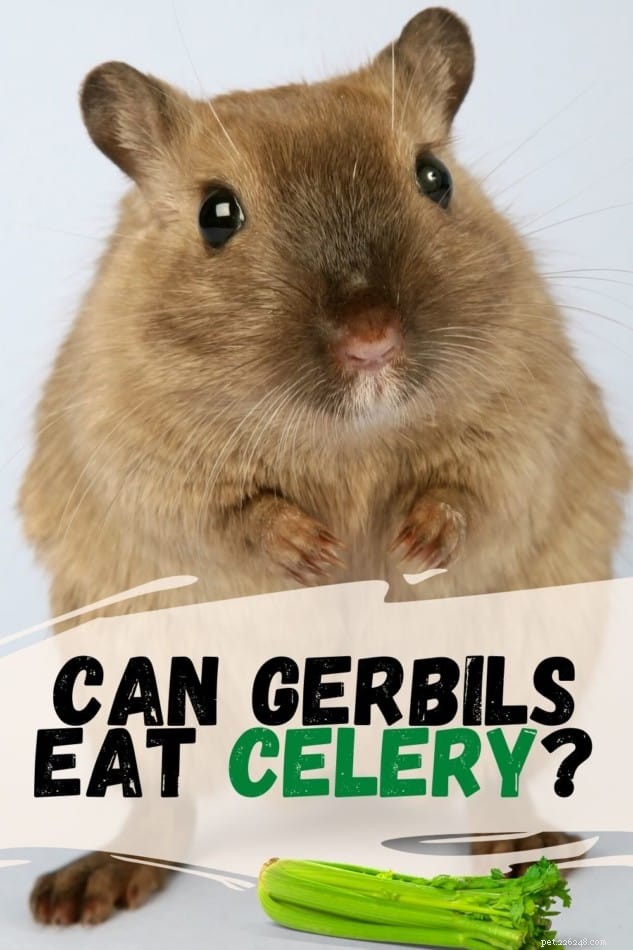
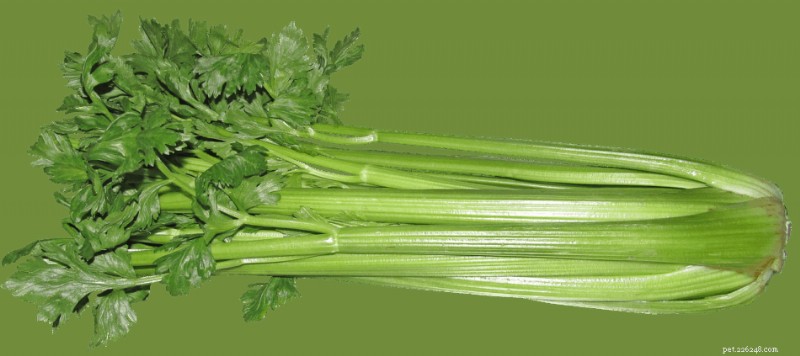
Gerbils enjoy chewing a variety of fresh veggies, and celery is one that can be a healthy addition when introduced correctly. Celery (Apium graveolens) is a tall, fibrous plant with a taproot and serrated green leaves, reaching up to 80 cm. It is low in calories but rich in vitamins and minerals, making it a suitable treat for small rodents.
Before offering celery, introduce it in isolation and in small portions. This helps you observe any digestive upset, such as looser stools, which may indicate that the food isn’t agreeing with your gerbil.
Why Celery Can Be Beneficial for Gerbils
Celery contains a range of nutrients:
- Vitamins: A, B1, B2, PP (niacin), C, B6
- Minerals: copper, calcium, phosphorus, magnesium
- Other compounds: 1‑4 % sugars, 2‑3 % protein, up to 100 mg ascorbic acid, pectins, oxalic acid, essential oils, flavonoids, and limonene
These antioxidants help neutralize free radicals and reduce inflammation, supporting overall health. The high fiber content promotes healthy digestion, while the natural salts and electrolytes aid in maintaining proper hydration and heart function.
Is Celery Safe?
When fed in moderation, celery is generally safe for gerbils. However, excessive fiber—more than 5 % of the daily diet—can lead to diarrhea, dehydration, and poor nutrient absorption. Additionally, celery may contain residual pesticides or herbicides, so wash thoroughly or choose organic produce.
How Much Celery?
Limit celery to 1–2 servings per week, never daily. Keep the total vegetable portion (celery plus other veggies) under 15‑20 % of the gerbil’s overall food intake. A balanced diet should also include other low‑fiber greens such as lamb’s lettuce or chard.
Serving Tips
Cut celery stalks into bite‑sized pieces to prevent choking on the long fibers. Leaves are softer and can be offered whole. Always start with a tiny piece and monitor the gerbil’s response before increasing quantity.
Potential Risks of Over‑feeding Celery
Large amounts of celery can cause:
- Diarrhea
- Kidney or liver irritation due to apiol content
- Jaundice or hematuria in severe cases
- Potentially life‑threatening complications if left unchecked
Final Verdict
Celery can be a healthy, low‑cost supplement for gerbils when introduced gradually and kept within 5 % of the total diet. It offers a good source of vitamins, minerals, and antioxidants, but must be given in small, chopped portions to avoid digestive upset or choking.
Always consult your veterinarian if you notice persistent diarrhea, changes in appetite, or any other concerning symptoms after adding new foods.
- Comprehensive Holistic Care for Dogs with Addison’s Disease
- How to Clean Your Dog’s Ears Safely: A Complete Step‑by‑Step Guide
- Meet Wikki: The Adorable Ragdoll Featured This Week
- Are Mongooses Suitable as Pets? Pros, Cons, and Care Guidelines
- Master the Stay Command: Quick, Reliable Training for a Safe, Calm Dog
- Can Your Dog Truly Understand Multiple Languages? Learn How
- How to Spot When a Dog Has Gave Birth: Key Signs and Tips