

Cornish Rex Cats: Curly-Furred, Energetic Companions with Low Allergy Risk
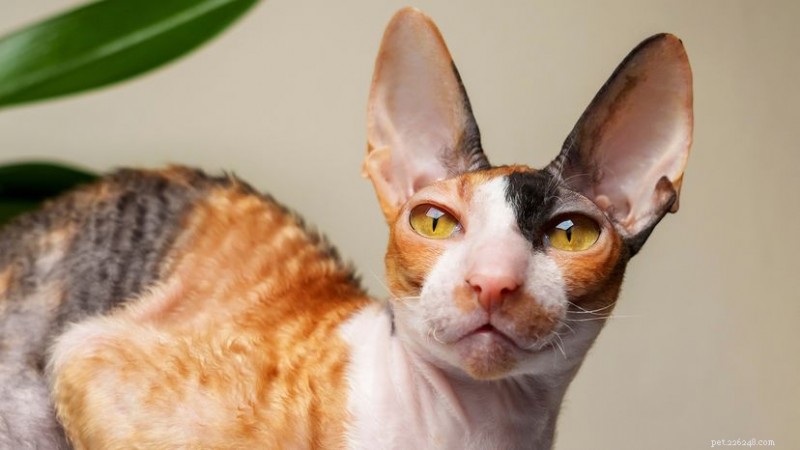
For cat lovers who worry about allergies, the Cornish Rex offers a unique blend of low-shedding, playful energy, and a strikingly soft, curly coat. With origins in Cornwall, England, this breed has captured the hearts of cat enthusiasts worldwide.
A Rare Breed Born of Natural Mutation
The first Cornish Rex kitten appeared in 1950, the result of a spontaneous genetic mutation that eliminated guard hairs and produced a silky, wavy coat. This genetic anomaly gives the breed its signature look and an unmistakable, elegant silhouette.
What Do Cornish Rex Cats Look Like?
- Coat: Short, fine, wavy fur that feels like rabbit hair; virtually no shedding.
- Body: Medium‑sized, athletic build with a narrow waist, long hind legs, and an oval head.
- Ears: Large and prominent, framing the face.
- Eyes: Large, expressive, often blue in pointed and lighter coat colors.
Because guard hairs are absent, the coat appears almost velvety, making the Cornish Rex a visually striking choice for any home.
Cuddly by Nature, Playful for Life
These cats retain a kitten‑like exuberance well into adulthood. They thrive on interaction, enjoy climbing, and are generally tolerant of other pets and children. Their sensitivity to cold and lack of protective fur layers mean they perform best indoors, where temperature is stable.
Simple Grooming & Care Routine
- Minimal shedding reduces the need for frequent brushing.
- Occasional bathing may be required to control sebaceous oil buildup.
- Watch for skin irritation in warm or humid climates.
- Maintain dental health; pale gums can indicate underlying issues.
- Use a shallow bowl to accommodate their narrow muzzle.
Provide a balanced diet with high‑quality cat food and fresh water to support overall health.
Health & Genetic Considerations
As with any purebred, Cornish Rex cats can carry inherited conditions. Common concerns include:
- Polycystic kidney disease (PKD)
- Progressive retinal atrophy (PRA) leading to vision loss
- Hypertrophic cardiomyopathy (HCM)
Regular veterinary exams and genetic testing—preferably from reputable breeders—are essential for early detection and responsible ownership.
Living with a Cornish Rex
- Best suited for indoor living to protect delicate skin.
- Excellent companions for families, children, and other cats.
- Require interactive toys, vertical spaces, and enrichment to satisfy their curiosity.
- Costs vary by lineage; quality and temperament often justify the investment.
With their perpetual playfulness, affectionate nature, and hypoallergenic qualities, Cornish Rex cats make an ideal pet for those seeking a lifelong, energetic companion.
This article was developed with AI assistance and subsequently reviewed and fact‑checked by a HowStuffWorks editor.
- Pet Behavior
- Pet Breeds
- Pet Names
- Pet Adoption
- Pet Training
- Cat Stories
- Pet Health
- Adorable Pets
- Cats
- Littermate Syndrome in Dogs: Causes, Symptoms, and Prevention Tips
- Understanding Why Dogs Become Possessive: Causes and Solutions
- The First 7 Days After Adopting a Rescue Dog: A Proven Transition Plan
- Understanding Bleeding Gums in Pets: Causes, Symptoms, and Care
- What Causes a Gerbil to Stop Eating & How to Help It Recover
- The Farmer’s Dog vs. Spot & Tango: Which Fresh Dog Food Brand Delivers Superior Nutrition?
- 18 Hilarious Pet Photos That Will Brighten Your Day