

Why Lavender Is Dangerous for Cats – Protect Your Feline Companion
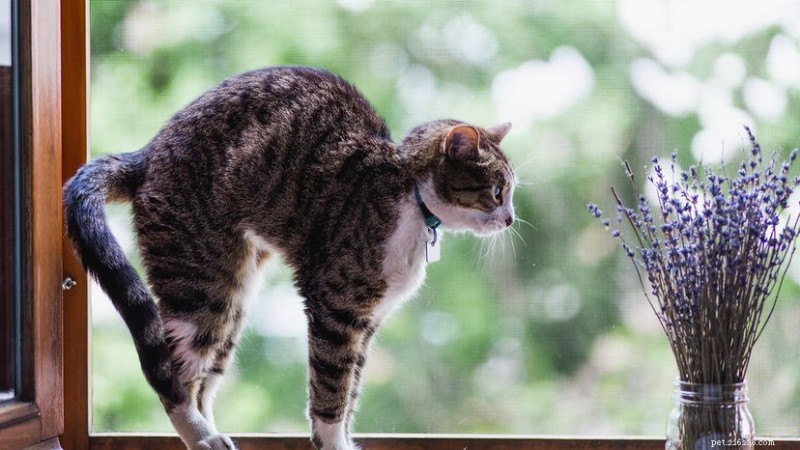
Lavender’s soothing aroma is beloved by many, yet it poses a significant risk to our feline friends. While humans often use lavender in oils, candles, and aromatherapy, cats can experience serious reactions.
Lavender Toxicity in Cats
Short answer: lavender is toxic to cats. The plant contains linalool and linalyl acetate, compounds that cats cannot effectively metabolize due to unique liver enzyme differences. Even small exposures, especially from essential oils, can trigger toxicity.
Signs of lavender poisoning include:
- Gastrointestinal upset (vomiting, drooling, loss of appetite)
- Difficulty breathing
- Mouth irritation or burns
- Lethargy or uncoordinated movement
- In severe cases, liver damage or death
Lavender Oil vs. Lavender Plants
Essential oils are the most concentrated and therefore the most dangerous. However, dried or fresh lavender can also pose a risk if ingested or if cats groom themselves after contact.
Even scented candles and sprays may deposit fine particles that cats can later lick. Dilution with carrier oils reduces but does not eliminate the risk.
How to Protect Your Cat
- Keep all lavender products—oil, plants, candles—out of reach.
- Avoid using essential oils in rooms where your cat spends time.
- Watch for symptoms after any exposure.
- Contact a veterinarian immediately if symptoms appear.
- Refrain from using home remedies without professional guidance.
If you grow lavender, place it in a pet‑inaccessible area. Be skeptical of products labeled “cat‑safe”; marketing claims can be misleading. Prompt veterinary care is essential if poisoning is suspected.
Just Say No
Despite its benefits for humans, lavender is not safe for cats. Both the plant and its derivatives carry health risks. When in doubt, eliminate lavender products from your home to keep your feline companion healthy.
For veterinary advice, consult a qualified professional. This article was fact‑checked and edited by HowStuffWorks.
- Pet Behavior
- Pet Breeds
- Pet Names
- Pet Adoption
- Pet Training
- Cat Stories
- Pet Health
- Adorable Pets
- Cats
- The Science Behind Why Dogs Love Balls
- Do Cats Taste Sweetness? Science Explains Why They Don't
- Can Your Dog Safely Use a Hot Tub? Health Risks & Precautions
- Conquer Your Stubborn Dog: Proven Training Tips for Dogs That Won’t Listen
- Essential Fall Outdoor Safety Tips for You and Your Pets
- Frequent Cat Urination: Causes, Symptoms, and How to Protect Your Feline
- Safe OTC Anxiety Relief for Dogs: Natural Calming Solutions