

Donskoy Cat (Don Sphynx) – Russia’s Hairless Breed Explained
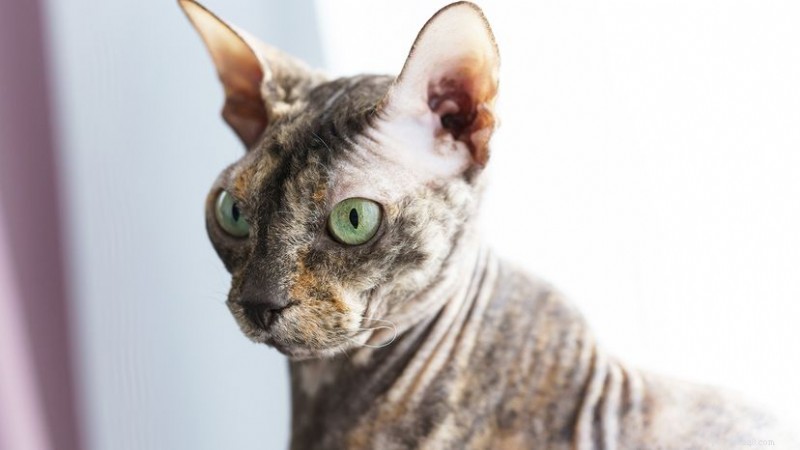
The Donskoy cat, also known as the Don Sphynx, is a striking, hair‑free breed that originated in the Rostov‑on‑Don region of Russia. Its unique appearance and affectionate nature make it one of the most sought‑after cats in the world.
Origins and Genetics
In 1987, a stray kitten named Varvara was found in Rostov‑on‑Don. She began losing hair due to a dominant genetic mutation later identified as feline ectodermal dysplasia. Unlike the Sphynx, whose hairless trait is recessive and requires both parents to carry the gene, the Donskoy’s dominant mutation means the trait can be passed on by a single carrier.
What Do Donskoy Cats Look Like?
Donskoys are medium‑sized cats with a muscular build, large ears, and almond‑shaped eyes. Their skin is often heavily wrinkled, especially around the face, neck, and front legs. While many are born completely bald, the breed includes several coat types:
- Rubber bald: Hairless from birth and remains so for life.
- Flock coat: Suede‑like peach‑fuzz texture.
- Velour coat: Short, wavy fur that may develop bald patches over time.
- Brush coat: Sparse, wiry hair with wavy patterns that often fades with age.
The hair‑loss gene can also affect dental development, potentially leading to poor dentition in older cats.
Caring for a Donskoy
These cats are highly active, curious, and deeply affectionate. They thrive on human interaction and may become restless if left alone for extended periods. Donskoys are social and usually get along well with other cats and small pets, making them ideal for multi‑animal households.
Because they lack fur, Donskoys are prone to sunburn and temperature sensitivity. Keep them in a warm, shaded environment and provide soft bedding. Their skin can become oily, so regular bathing is recommended. Dental hygiene is crucial; brush their teeth weekly to prevent genetic dental issues.
Feeding and Health
A balanced diet rich in protein supports skin health and helps regulate body temperature. Many Donskoys are more active than the average cat, so they may require slightly more calories. Consult a reputable breeder or veterinarian for a tailored feeding plan.
The breed remains relatively rare, which can drive up costs. Responsible breeding programs focus on maintaining genetic diversity and overall health.
Donskoy vs. Sphynx
While both breeds are hairless, the Donskoy’s dominant gene and distinct body shape set it apart from the Sphynx. Differences also extend to skin texture and maintenance requirements. Understanding these nuances helps prospective owners choose the right companion.
For more detailed information, consult veterinary professionals and breed‑specific resources. This article was produced with AI assistance and subsequently fact‑checked and edited by a HowStuffWorks editor.
- Pet Behavior
- Pet Breeds
- Pet Names
- Pet Adoption
- Pet Training
- Cat Stories
- Pet Health
- Adorable Pets
- Cats
- Effective Crate Training for Dogs & Puppies: A Step‑by‑Step Guide
- Why Basset Hounds Bark So Much: Causes, Signals, and How to Manage Their Vocalizations
- Essential Summer Grooming Guide for Dogs: Keep Your Pup Cool & Healthy
- The 5 Most Iconic Dogs in Film, TV, and Pop Culture
- 9 Heartfelt Ways to Show Your Cat You Love Them
- 10 Small Dog Breeds Perfect for Compact Living
- Do Dogs Detect Reptiles? Expert Insights on Canine Smell and Safety