

10 White Cat Breeds That Combine Beauty, Personality, and Health Insight
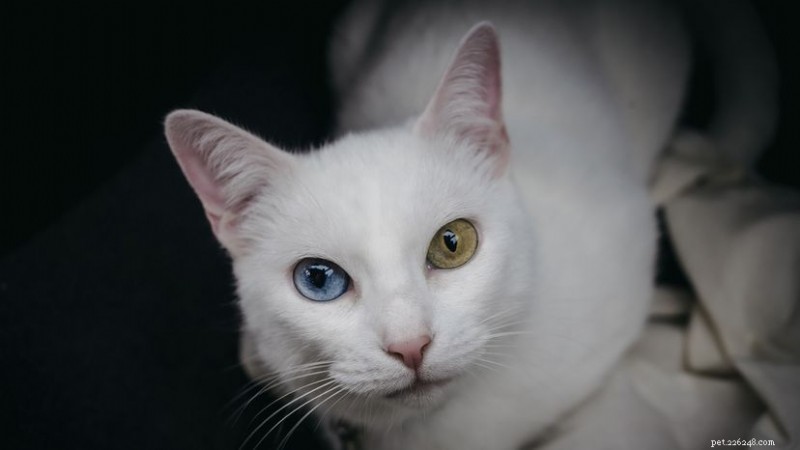
White cats have long captivated humans, from ancient symbols of luck to modern Instagram stars. Their striking coats set them apart, but potential owners should understand the unique genetics, health considerations, and grooming demands that accompany each breed.
Below are ten white cat breeds—each celebrated for their elegance, temperament, and historical significance—along with practical care tips to help you choose the right companion.
1. Turkish Angora
The Turkish Angora exemplifies grace. With a silky white coat and expressive eyes that may be blue, amber, or heterochromatic, this breed is a classic example of a pure‑white cat. Many Angoras are born with one blue eye, a trait that can be linked to a partial loss of hearing on the same side. Despite this, they remain sociable and adapt well to visual cues.
2. Persian Cat
Persians are iconic for their plush, white coats. A pure‑white Persian with blue eyes radiates elegance but requires diligent grooming to prevent matting. Owners should also protect their sun‑sensitive skin from UV exposure, as white Persians are predisposed to squamous cell carcinoma on exposed areas such as ears and noses.
3. Siamese Cat
Siamese kittens are born entirely white and develop colored points later in life. In cooler climates, some retain a lighter overall tone. Known for their slender build, vocal nature, and strong bond with humans, they thrive when given ample conversation and attention.
4. Japanese Bobtail
The Japanese Bobtail, often seen in the maneki‑neko figurine, is typically a white base with orange or black markings. Celebrated for bringing good fortune, its distinctive pom‑pom tail and lively disposition make it an excellent match for families with older children and other pets.
5. Cornish Rex
With a short, velvet‑like coat, the Cornish Rex can appear almost alien in its sleek silhouette. White individuals must receive sun protection, especially on exposed areas like ears and nose, to reduce the risk of skin cancer.
6. Devon Rex
A close relative of the Cornish Rex, the Devon Rex also comes in white. Its short, curly fur means minimal grooming, yet it remains playful, affectionate, and highly trainable—perfect for owners seeking a low‑maintenance companion with a vibrant personality.
7. Norwegian Forest Cat
Built for cold climates, the Norwegian Forest Cat sports a double‑layered coat. Though white variants are rarer, they are stunningly beautiful. These cats are friendly, calm, and love high perches, making them well suited for homes with cat trees or open windows.
8. British Shorthair
While the British Shorthair is best known for its blue‑gray coat, white variants are increasingly popular. Their dense fur and round features give them a teddy‑bear look, yet they remain independent and well‑adapted to a quieter lifestyle.
9. Russian White
Developed from the Russian Blue, the Russian White combines a calm temperament with an elegant appearance. Their light coats require only occasional brushing, and their quiet loyalty makes them ideal for serene households.
10. Albino Cats
True albinos are rare and result from a pigment‑blocking mutation. These cats often have pale blue or pinkish eyes and heightened light sensitivity. Due to increased skin cancer risk, they should be kept indoors with limited UV exposure.
This article was created with AI assistance and subsequently fact‑checked and edited by a HowStuffWorks editor.
- Pet Behavior
- Pet Breeds
- Pet Names
- Pet Adoption
- Pet Training
- Cat Stories
- Pet Health
- Adorable Pets
- Cats
- Dog Owner Etiquette: Mastering the Art of a Polite, Positive Human‑Dog Relationship
- Effective Clumber Spaniel Training: Proven Techniques for Smart, Gentle Hunters
- Are Cranberries Safe for Dogs? What You Need to Know
- Best 11 Backyard Duck Breeds for Home Farms – With Photos
- Simple Homemade Dog Food Recipe: Healthy, Nutritious, and Easy to Make
- G-Names: Elegant Exotic Pet Names Beginning with G
- Why Your Cat Is Pooping Outside the Litter Box—and How to Fix It