

Snowshoe Cat: Elegant Hybrid of American Shorthair and Siamese with Distinctive White Paws
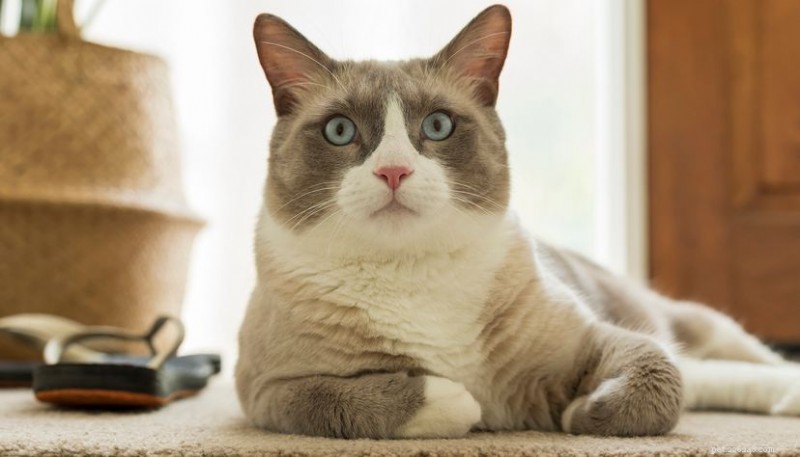
With a gaze so blank, we can only guess what this cat wants from his human companions. – Vicki Smith / Getty Images
The Snowshoe cat blends the sleek elegance of Siamese with the robust charm of the American Shorthair. Recognized by the American Cat Fanciers Association (ACFA) and the International Cat Association (CCA), this rare breed is prized for its tuxedo‑like markings, striking white paws, and affectionate demeanor.
Breed History
In the 1960s, American breeder Dorothy Hinds‑Daugherty observed three kittens with white paws in a Siamese litter. Fascinated, she began a selective breeding program that paired Siamese with American Shorthair cats. After several generations, she produced a medium‑sized cat that combined a graceful appearance with a social temperament.
Today the Snowshoe enjoys official recognition from both ACFA and CCA, confirming its status as a distinct and well‑documented breed.
Physical Appearance
Snowshoe kittens are born white; as they mature, they develop the classic “point” coloring—seal, blue, or other variations—on their ears, tail, and face. Adult cats feature a light body, darker extremities, an inverted “V” on the face, and, most iconic, pure white paws. Paw pads and noses may be pink or dark, complementing the overall tuxedo look. Their medium to large size, short coat, and expressive eyes make them instantly recognizable.
Temperament
Snowshoes are highly sociable and curious, often preferring company over solitude. They thrive on interaction, sometimes behaving more like a devoted companion than a typical independent feline. These cats are excellent with older children and can integrate seamlessly with other pets when introduced early.
Intelligent and playful, Snowshoes enjoy learning new tricks and mental challenges. Provide interactive toys, climbing structures, and food puzzles to keep them engaged. A dedicated space with enrichment is essential for their well‑being.
Care Guidelines
Their short, low‑maintenance coat requires only weekly brushing to maintain its sleek appearance. A balanced diet, clear feeding guidelines, and routine veterinary check‑ups are key to long‑term health.
Like their Siamese ancestors, Snowshoes can occasionally develop similar health issues, such as respiratory or dental concerns. Regular vet visits help catch and manage these conditions early.
Because they love companionship, ensure they have stimulation if you’ll be away for extended periods. Interaction with other cats or safe outdoor time can help prevent boredom.
Finding a Snowshoe
Due to their rarity, Snowshoe kittens can be hard to locate. Seek reputable breeders who specialize in champion‑line cats or explore local shelters that may house this unique breed. Whether you’re a first‑time owner or a seasoned cat enthusiast, the Snowshoe’s blend of sociability, curiosity, and devotion makes it an ideal match for many households.
This article was created with AI assistance and subsequently fact‑checked and edited by a HowStuffWorks editor.
- Pet Behavior
- Pet Breeds
- Pet Names
- Pet Adoption
- Pet Training
- Cat Stories
- Pet Health
- Adorable Pets
- Cats
- How to Train a Brindle Pit Bull: A Comprehensive Guide
- Top 10 Most Popular Dog Breeds for Pets
- Is Pomegranate Safe for Dogs? Benefits, Risks, and Feeding Tips
- The Risks of Dog Collars: Why They May Harm Your Pet
- Explore 19 Unique Duck Breeds in Alabama – Stunning Photos Included
- Master Bareback Riding: A Proven Training Guide for Your Horse
- CORPUS' Sheep-Inspired Dance Performance: A Must-See Urban Fantasy