

Tuxedo Cats: The Classic Coat Pattern, Genetics, and Why They Make Great Companions
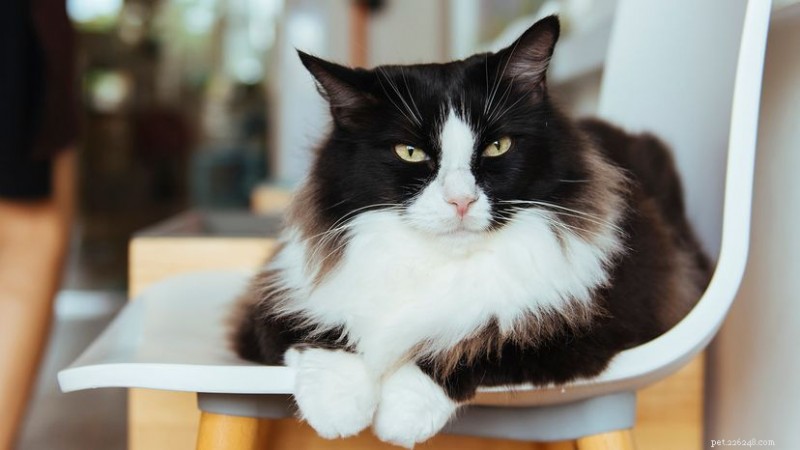
Tuxedo cat. Naomi Rahim / Getty Images
Tuxedo cats always look ready for a formal affair, with their crisp black and white markings that have made them a staple in cartoons, advertising, and homes worldwide. Yet there’s far more to these cats than their dapper appearance.
Contrary to popular belief, a “tuxedo” is not a breed but a coat pattern that can appear in many cat breeds. The pattern is instantly recognizable: black fur accented with white on the throat, paws, belly, chin, and sometimes the tail, giving the illusion of a tiny tuxedo jacket.
What Is a Tuxedo Pattern?
The tuxedo pattern results from the white‑spotting gene, which controls both the amount of white fur and its placement on a cat’s body and head. The combination of black and white makes each tuxedo cat look as though it’s ready for a gala.
Because the pattern is a coat type, it appears in breed listings by the Cat Fanciers’ Association (CFA). Breed standards often include acceptable markings, such as tuxedo coloration, within their criteria.
In pop culture, tuxedo cats—think Looney Tunes’ Sylvester—have become iconic, starring in cartoons and viral videos that showcase their playful antics.
Genetic Features and Variations
The look of a tuxedo cat is dictated by color genes. The white‑spotting gene limits color in specific areas, producing dramatic, formal-looking features, while dominant color genes give the rest of the coat its rich black base.
This genetic diversity means no two tuxedo cats look exactly alike. Their coats may be symmetrical or quirky, featuring white stripes, subtle spotting, or even small patches of white on a predominantly black background. From a stripe down the back to a streak across the ears, each cat proudly displays its unique pattern.
Living With a Tuxedo Cat
Beyond their stylish looks, tuxedo cats are prized as pets for their personalities. Owners often describe them as intelligent, confident, and a touch mischievous. They play vigorously, nap deeply, and seem to relish the spotlight.
Many people’s first feline experience involves a tuxedo cat lounging in a box or chasing a feather wand. Their sociability makes them excellent companions for children and other animals, and because they’re not confined to a single breed, tuxedo cats are common finds in rescue centers worldwide.
Their charisma extends to merchandise: plush toys, realistic figurines, LEGO sets, and puzzle boxes featuring tuxedo cats are popular. Companies frequently use these stylish felines in branding to evoke sophistication and playfulness.
Grooming and Care
While tuxedo cats are relatively low‑maintenance, regular grooming keeps their coat healthy. Brushing a few times a week is recommended. Like all cats, they thrive on play and enrichment to satisfy their curious minds and energetic bodies.
They enjoy engaging play sessions and will happily explore any box left on the floor. After a meal, they often settle into a cozy spot and rest like royalty, purring contentedly at your side. Some observers note that tuxedo cats often resemble their humans more than many other breeds.
Adoption events in June and throughout the year often feature tuxedo cats at reduced fees, giving potential owners a chance to welcome a stylish companion into their home. Whether you’re a first‑time owner or an experienced cat lover, a tuxedo cat can bring charm and companionship to any household.
We created this article with AI assistance, then fact‑checked and edited by a HowStuffWorks editor.
- Pet Behavior
- Pet Breeds
- Pet Names
- Pet Adoption
- Pet Training
- Cat Stories
- Pet Health
- Adorable Pets
- Cats
- Boost Your Dog’s Strength: Top High‑Protein Foods for Muscle Growth
- Do Dogs Experience Alienation? Understanding Their Emotional Needs
- Pit Bull & Boxer Mix: Comprehensive Guide & Care Tips
- Master Neck Reining: Essential Techniques for English and Western Riders
- Living with Both Dogs and Pigeons: A Guide to Harmony
- Understanding the Causes of Bloody Diarrhea in Dogs: Key Signs and When to Seek Vet Care
- Why Do Dogs Eat Grass? Understanding the Behavior & When to Act