

Tabby Cats: A Colorful Pattern, Not a Separate Breed
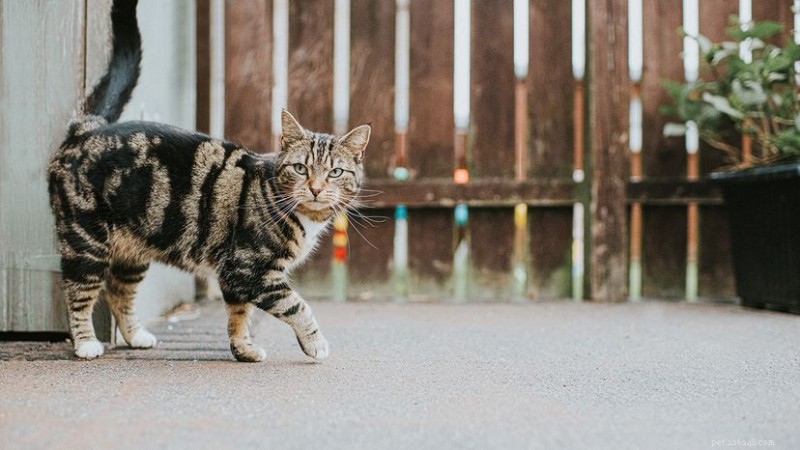
Tabby cats are the most common feline in households worldwide, celebrated for their striking stripes, swirls, and spots. While their appearance is instantly recognizable, a tabby is a coat pattern— not a distinct breed. This pattern is a genetic trait that appears across dozens of pedigrees, from Maine Coons to British Shorthairs.
What Makes a Cat a Tabby?
A tabby’s identity lies in its coat pattern, marked most famously by an “M” on the forehead. Patterns vary and are grouped into four main categories:
- Mackerel tabby: Thin, parallel stripes along the sides, resembling a fish skeleton. Rings or bands often circle the legs and tail.
- Classic tabby: Bold, swirling “whorls” that look like marbled marble.
- Spotted tabby: Swirls replaced by distinct spots, creating a patchwork effect.
- Ticked tabby: Each hair carries alternating bands of color, giving a subtle, speckled appearance that can be subtle to spot without close inspection.
All patterns are governed by the same underlying genes and can appear in any breed, making tabby cats a unifying visual trait rather than a separate lineage.
The Genetics Behind Tabby Markings
Tabby patterns result from a complex interplay of genes. The agouti gene dictates whether hairs are banded or solid; mutations can turn a tabby into a solid-colored cat. Other genes determine the specific pattern—mackerel, classic, or spotted—by controlling pigment distribution along the hair shaft.
These markings aren’t just ornamental. In the wild, they provide camouflage, breaking up the cat’s outline in foliage and dappled light. Modern domestic cats still exhibit this adaptive advantage, which underscores their evolutionary heritage.
Orange Tabbies, aka Gingers
Orange tabbies are a striking subset, often featuring the same pattern categories but with a reddish hue derived from pheomelanin—the same pigment that gives humans red hair. Because the orange allele is X‑linked, nearly all orange tabbies are male. Their bright coats make them stand out, and they’re often noted for their friendly, curious personalities.
Recognized but Not a Breed
Although “tabby” isn’t a standalone breed, the pattern is officially recognized by the Cat Fanciers’ Association (CFA). The CFA’s breed standards for Maine Coon, Abyssinian, British Shorthair, and many others explicitly mention tabby patterns. Breed profiles are updated quarterly—January, April, and June—ensuring that pattern descriptions remain current.
Choosing Your Tabby
When adopting a tabby, consider more than just the eye‑catching coat. Match the cat’s energy level and temperament with your household: lively tabbies thrive with active families or in homes with children, while more reserved ones may suit quieter settings. Many shelters now allow prospective owners to filter by coat pattern, personality traits, and compatibility with other pets.
Adoption fees can be reduced during seasonal drives, and some shelters provide starter kits or discounts on accessories for new tabby owners. Taking these factors into account helps ensure a harmonious match.
Whether you’re drawn to a tabby’s expressive eyes, iconic markings, or playful antics, this versatile pattern adds color and character to any home. This article was produced with AI assistance and vetted by a HowStuffWorks editor to guarantee accuracy and quality.
- Pet Behavior
- Pet Breeds
- Pet Names
- Pet Adoption
- Pet Training
- Cat Stories
- Pet Health
- Adorable Pets
- Cats
- Preparing for Your Pet's Final Days: A Compassionate Guide
- 5 Clear Ways Your Cat Shows Affection
- Pomsky Dog Breed: Complete Guide to the Husky-Pomeranian Mix
- Are Pets at Risk of Contracting COVID‑19? What You Need to Know
- Managing Your Pet’s Anxiety as Work Resumes
- Top Dog Breeds That Coexist Seamlessly with Cats – A Guide for Happy, Harmonious Homes
- 5 Major Health Risks of Cat Obesity – Protect Your Feline Friend