

12 Orange Cat Breeds: Find the Perfect Ginger Companion
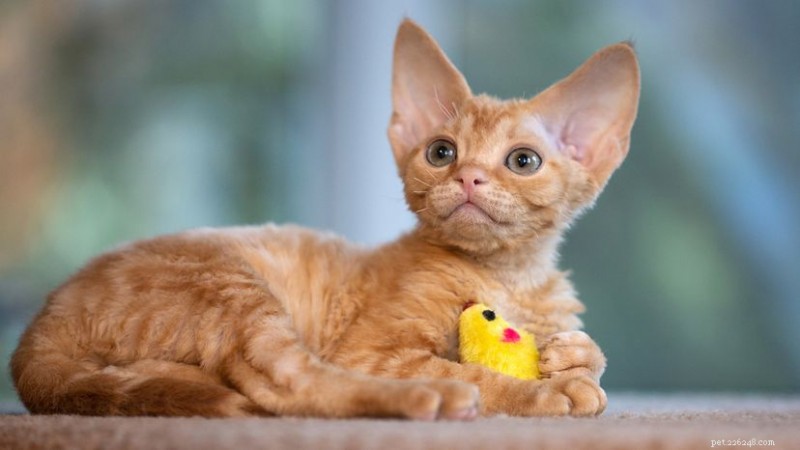
Orange cats, often called “gingers,” are celebrated for their vibrant coats and larger-than-life personalities. Whether you’re after a playful, attention‑seeking friend or a laid‑back companion, the right breed can make all the difference. Below, we explore 12 distinct orange cat breeds, highlighting their unique traits and what makes each a standout choice for pet lovers.
1. Domestic Shorthair
The Domestic Shorthair is a versatile, mixed‑breed cat renowned for its short, low‑maintenance coat. With a wide range of colors and patterns, these cats come in various sizes and body types. Known for their friendly, intelligent, and adaptable nature, they thrive in diverse living situations. Independent yet affectionate, they bond with owners while enjoying moments of solitude.
2. American Shorthair
The American Shorthair is a robust, medium‑to‑large breed with a muscular build and a classic round face. Its dense, short coat appears in numerous colors and patterns. These cats exude a calm, laid‑back temperament, making them reliable companions for families and individuals alike.
3. British Shorthair
With a sturdy, compact body and a round face accented by full cheeks and expressive eyes, the British Shorthair is a plush‑coated, medium‑to‑large cat. Their calm, easygoing disposition and independence make them low‑maintenance, affectionate pets suitable for varied living environments.
4. Exotic Shorthair
Often described as the short‑haired cousin of the Persian, the Exotic Shorthair features a round face, flat nose, and large eyes. Medium to large in size, its dense, soft coat appears in a spectrum of colors. These cats are gentle, affectionate, and enjoy a relaxed, social lifestyle.
5. Scottish Fold
Recognized by its signature folded ears, the Scottish Fold has a round face, large eyes, and a sturdy, muscular body. Available in short‑haired or long‑haired varieties, it is known for a sweet, calm demeanor and a fondness for human company and other pets.
6. Munchkin
The Munchkin’s distinct short legs result from a natural genetic mutation, yet the breed maintains a muscular build and medium‑length body. With round faces, large eyes, and a variety of coat lengths, Munchkins are playful, energetic, and surprisingly agile despite their short stature.
7. Maine Coon
One of the largest domestic breeds, Maine Coons can weigh up to 25 lb (11.3 kg). Their long, muscular bodies are complemented by a thick, water‑resistant coat and tufted ears. Renowned for their friendly, sociable, and gentle nature, they make excellent companions for families.
8. Cornish Rex
The Cornish Rex sports a unique wavy coat—short, soft, and curly—due to a natural genetic mutation. Its slender, athletic frame and large ears give it an elegant, agile appearance. Playful, energetic, and affectionate, this breed thrives in active households.
9. Egyptian Mau
With a striking spotted coat and a medium, athletic build, the Egyptian Mau is both graceful and powerful. Known for intelligence, loyalty, and vocal nature, these cats form strong bonds with their families and enjoy being engaged and active.
10. American Bobtail
Distinctive for its short, bobbed tail, the American Bobtail is a medium‑to‑large breed with a strong, muscular build. Its coat ranges from soft to plush, and its almond‑shaped eyes add to a wild, expressive look. Highly intelligent, trainable, and affectionate, they adapt well to various living situations.
11. Devon Rex
The Devon Rex is a small‑to‑medium cat known for its fine, curly fur that gives a tousled, almost wavy appearance. With a slender, graceful body, long legs, and large ears, this breed is playful, energetic, and highly social, often seeking attention and companionship.
12. Persian
The Persian boasts a luxurious, long‑haired coat and a round face with a flat nose. Medium to large in size, they have sturdy bodies and short, stocky legs. Calm and gentle, Persians thrive in relaxed environments but require regular grooming to maintain their coat.
Tabby Cats: Not a Breed, But a Pattern
While “tabby” is a common reference, it describes a coat pattern rather than a distinct breed. Orange tabbies are among the most beloved, showcasing the pattern’s versatility across many breeds.
Markings on Orange Cats
Orange cats display a spectrum of coat types—from solid orange to intricate tabby patterns. These markings range from classic mackerel stripes to irregular blotches, each creating a unique visual identity.
The Genetics Behind Ginger Fur
The orange coat color stems from a mutation that influences red pigment production, giving cats a warm, reddish‑orange hue. This mutation resides on the X chromosome, resulting in different inheritance patterns for males and females. Female cats need two copies of the gene to be orange, whereas males require only one, explaining why most orange cats are male.
© 2026 HowStuffWorks. This article was prepared with AI assistance and reviewed by a HowStuffWorks editor.
- Pet Behavior
- Pet Breeds
- Pet Names
- Pet Adoption
- Pet Training
- Cat Stories
- Pet Health
- Adorable Pets
- Cats
- Do Dogs Hear Loud Music? Protect Their Ears
- Understanding Why Cats Eat Grass and Regurgitate: A Scientific Guide
- When You Should Avoid Cleaning Your Dog’s Ears
- Do Dogs Truly Experience Gratitude?
- Train Your Leash-Reactive Dog Using the LAT Method: A Proven, Step-by-Step Guide
- 10 Essential Facts About German Shepherds Before You Adopt
- Complete Guide to Caring for a Mini Rex Rabbit