

Tortoiseshell vs. Calico Cats: How Their Coats Differ in Color, Pattern, and Genetics
 \n
\nWhen you spot a multicolored cat, you may wonder whether it’s a tortoiseshell or a calico. Although both display bold hues, their coat patterns, genetic basis, and frequency differ significantly. Below we break down the key distinctions.
\nWhat Defines a Tortoiseshell Cat?
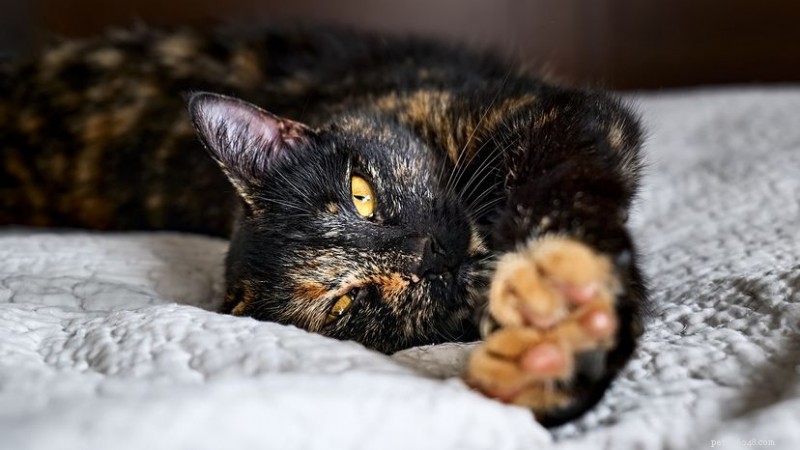
\nA tortie is a coat type, not a breed. Its characteristic mottled appearance blends black, red, orange, and sometimes cream in a brindled or streaked pattern. Unlike calicos, torties usually lack extensive white and tend to have a more blended, “spotted” look.
\nBecause the tortoiseshell pattern arises from a single X chromosome carrying the orange allele, it is almost always found in females. Male torties are exceptionally rare and occur only when a cat inherits two X chromosomes (XXY or XXX) in addition to a Y.
\nWhat Makes a Calico Cat Unique?
\nCalicos share the same genetic mechanism as torties but differ in the presence of large white patches. The classic tri‑color calico consists of orange, black, and white, often arranged in a patchwork that can vary from minimal white to an almost all‑white coat with scattered colored spots.
\nLike torties, calicos are almost exclusively female because the orange gene is carried on the X chromosome. The distribution of white and colored fur is controlled by the W gene, leading to a wide range of pattern variations across breeds and coat lengths.
\nAre Calicos and Tortoiseshells Different Breeds?
\nNeither torties nor calicos represent distinct breeds. These terms describe coat coloration and appear in many domestic and pedigree lines, such as the Maine Coon, Persian, and domestic shorthair. Breed designation depends on lineage and standard, not on the color pattern.
\nMale Cats: A Rare Occurrence
\nMale cats displaying tortoiseshell or calico patterns are uncommon because they require a chromosomal anomaly. These rare males typically have an extra X chromosome (XXY or XXX) and are often sterile. Their unusual genetics can also predispose them to health issues, so veterinary monitoring is advisable.
\nOur article was drafted with AI assistance and then meticulously fact‑checked and edited by a HowStuffWorks editor to ensure accuracy and clarity.
- Pet Behavior
- Pet Breeds
- Pet Names
- Pet Adoption
- Pet Training
- Cat Stories
- Pet Health
- Adorable Pets
- Cats
- Proven Remedies for Managing Gout in Dogs
- Border Collie vs. Collie: Key Differences Explained
- Is Ketchup Safe for Dogs? What You Need to Know
- Why Does My Cat Vomit After Eating Too Quickly? Causes & Solutions
- Creative Pet Pair Names: Fun & Unique Ideas for Cats, Dogs & More
- Central Asian Shepherd Puppies: Growth, Care, and Development Guide
- Top Dog Breeds That Make Perfect Family Companions