

Effective Strategies to Eliminate Fleas from Your Cat
Flea bites leave cats itching, scratching, and sometimes losing fur. Because fleas reproduce rapidly, even a handful can quickly become a full‑blown infestation affecting both your pet and home.
Prompt action is essential. Regular checks with a fine‑toothed flea comb can catch early signs, but a comprehensive treatment plan is the most reliable way to eradicate the problem.
Below is a step‑by‑step guide that blends preventive care with proven treatment options, ensuring your cat stays comfortable and your living space stays clean.
How to Remove Fleas from Cats
Treating fleas starts with prevention. Addressing an infestation early reduces the chance of a larger outbreak and limits discomfort for your cat.
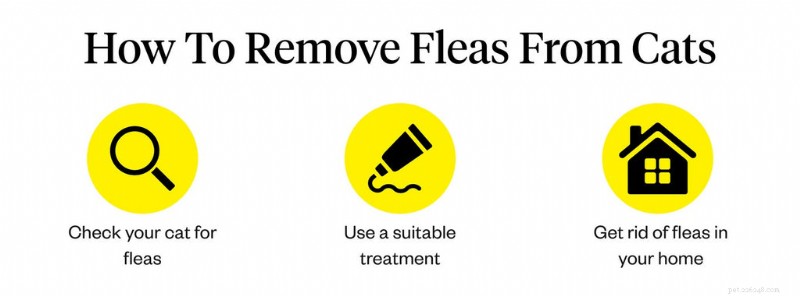
Here’s how to eliminate fleas on cats:
How to Check Your Cat for Fleas
Regularly combing with a flea comb helps spot active infestations before they spread. Pay close attention to the head, neck, lower back, thighs, and abdomen—common flea hide‑outs.
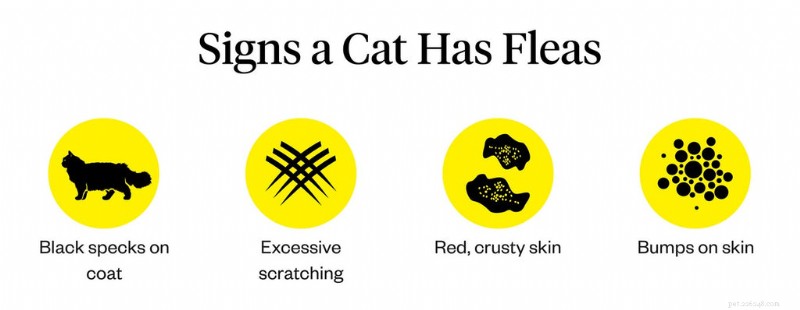
Fleas are visible under close inspection: brown, a few millimeters long, and prone to jumping when disturbed. A white surface, such as a sheet or paper towel, will reveal brown flecks or black “ground‑pepper” specks—classic signs of flea activity.
One flea on a cat is a clear indicator that the population is present. Excessive scratching, grooming, or visible hair loss should prompt a veterinary visit, as these symptoms can also signal allergies or other skin conditions.
Early veterinary assessment ensures accurate diagnosis and immediate treatment.
- Scratching and itchy skin: Even a few fleas can provoke intense itching due to allergic reactions to flea saliva.
- Biting at skin and fur: Cats often bite areas they cannot reach with their paws, such as their legs.
- Hair loss: Persistent scratching can damage fur and skin.
Recognizing these signs accelerates treatment and reduces discomfort.
Use a Suitable Flea Treatment for Cats
Veterinary guidance is essential. A vet will recommend the most effective product—many require a prescription—ensuring safety and efficacy for your pet.
Topical Spot‑On Flea Products
Spot‑ons are applied to the skin behind the neck, a location cats cannot lick. Choose a product formulated specifically for cats; using a dog formula can be harmful.
Bravecto (12‑Week Dose)
Provides up to 12 weeks of protection against adult fleas and ticks.
Selarid (1‑Month and 3‑Month Versions)
Active against adult fleas and prevents eggs from hatching. Also protects against ear mites, heartworms, and some intestinal parasites.
Cheristin Spot Treatment
Delivers a full month of flea control after a single application.
Flea Treatment Tablets
Oral tablets or chewable treats are convenient for cats that resist topical products.
Capstar (Fast‑Acting Oral)
Works within 30 minutes and is more than 90% effective in killing adult fleas within hours. Effect lasts 48 hours.
Flea Collars
Collars release insecticidal chemicals that deter fleas, but may cause skin irritation. Discuss suitability with your vet.
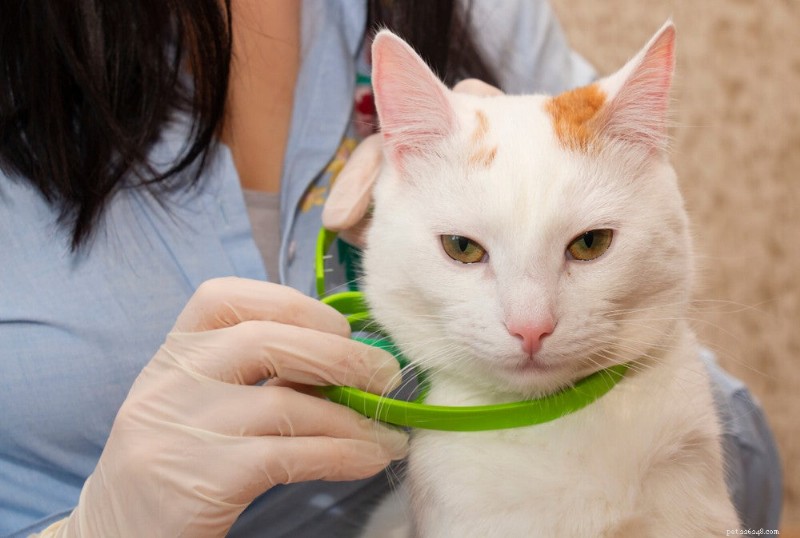
Always follow product instructions and consider your cat’s temperament and age. Kittens, for instance, may be sensitive to certain chemicals.
Trusted Dutch Vet‑Recommended Product
Our Dutch veterinary partners can provide tailored recommendations and online prescriptions delivered to your door.
How to Get Rid of Fleas in Your Home
Fleas can bite humans and other pets, so treating the environment is vital. Use insecticidal sprays that are safe for pets, but verify compatibility with your living spaces. The most effective strategy is thorough cleaning and laundering all bedding in hot water.
Treat all household pets to prevent cross‑infection.
Why Treat Fleas on Cats?
While healthy adult cats are rarely at risk of death from fleas, the irritation can lead to skin wounds that become infected. Fleas also vector diseases such as tapeworm, cat‑scratch disease, murine typhus, and plague—some of which can affect humans.
How to Prevent Fleas on Cats
Proactive measures keep your cat flea‑free year‑round:
- Limit exposure to stray animals.
- Regular bathing and brushing.
- Routine skin and fur checks.
- Year‑round flea prevention products.
Get Your Cat the Flea Treatment They Need
Immediate action at the first sign of infestation protects your cat and family. Choose from spot‑ons, collars, or tablets—each requires vet approval for best results.
With a Dutch‑affiliated veterinarian, you can receive a prescription and comprehensive care plan delivered online.
Talk to a Vet at Dutch Today
- 24/7 care from top‑rated vets.
- Unlimited vet calls & messaging.
- Pet Behavior
- Pet Breeds
- Pet Names
- Pet Adoption
- Pet Training
- Cat Stories
- Pet Health
- Adorable Pets
- Cats
- The Fascinating Science Behind Your Cat’s Nose
- When to Take Your Cat to the Emergency Vet: Recognizing Critical Symptoms
- How to Safely Remove Skunk Odor from Your Dog
- How Much Exercise Does a New Puppy Need? Expert Guidelines for Healthy Growth
- Understanding Dog Scooting: Causes, Symptoms, and Prevention
- 12 Classic Swedish Dog Breeds – History, Traits & Images
- Effective Kuvasz Training: Tips for Raising a Loyal Family Guardian