

Effective Treatment and Prevention of Cat Flea Bites
Fleas are a common problem for dogs, but many pet owners are surprised to learn how often they infest cats. Cat flea bites can be intensely itchy and uncomfortable, and allergic reactions to flea saliva may trigger feline dermatitis that can lead to secondary infections.
Fortunately, there are proven ways to relieve your cat’s discomfort and to prevent future bites. This guide explains how to treat flea bites, why treatment is critical, and how to protect your cat from re‑infestation.
What Are Cat Fleas?
Cat fleas ( Ctenocephalides felis ) are small, wingless insects that hop to new hosts by jumping. They can also infest dogs; in fact, Ctenocephalides felis is the most common domestic flea in the United States. Adult fleas cling to the host’s skin, feeding on blood and laying eggs that hatch into larvae within days. These larvae thrive in dark, warm spots such as carpets, bedding, and furniture corners.
Typical adult fleas measure about 1/8 inch, have a flattened body, and range in color from dark brown to black. They may appear reddish when recently fed.

Flea eggs hatch into larvae, then pupae, and emerge as adult fleas within 2–3 weeks. A single flea can produce up to 2,000 eggs during its lifetime, so infestations can grow rapidly. Early treatment is essential to stop the cycle.

Treating Flea Bites on Cats
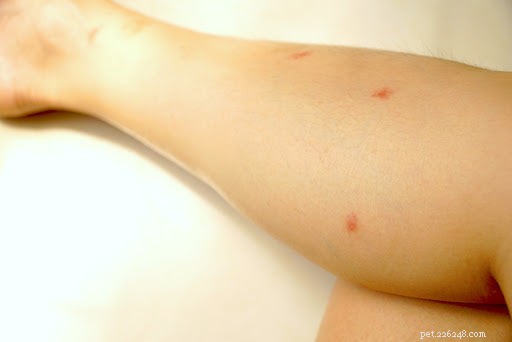
Diagnosing flea bites is the first step. Look for raised pink or red spots, and be alert for the following signs:
- Excessive scratching: Many cats develop an allergy to flea saliva, causing intense itching.
- Skin irritation or lesions: Repeated scratching can damage the skin and create open wounds.
- Over‑grooming: Cats may groom more than usual to relieve itchiness.
- Lethargy from anemia: Heavy infestations can cause significant blood loss.
- Visible fleas: Small insects may be seen on the cat, bedding, or carpets.
Because these symptoms can overlap with other skin conditions—such as allergies or feline acne—consult a veterinarian before starting treatment.
Once a flea infestation is confirmed, your vet may recommend a combination of the following:
- Insecticides: Topicals or collars that kill adult fleas.
- Corticosteroids: To reduce inflammation and itching.
- Antibiotics: If secondary bacterial infections are present.
- Antihistamines: For rapid relief of itching.
- Topical ointments or medicated shampoos: To soothe skin and kill fleas on contact.
For severe scratching, a pet cone may be advised to prevent self‑trauma. Always follow a vet’s dosage instructions and keep a record of any changes in your cat’s behavior.
In addition to medication, thorough environmental cleaning is critical. Vacuum carpets, wash bedding in hot water weekly, and treat any infested areas with a safe flea spray or fogger to eliminate eggs and larvae.
Why Treat Cat Flea Bites Promptly?
While flea bites are not fatal, they can cause:
- Intense itching and discomfort.
- Skin lesions that become infected.
- Transmission of tapeworms and other parasites.
- Severe anemia from heavy blood loss.
A single bite often signals an active infestation that can spread to humans and other pets. Prompt treatment stops the cycle, reduces the risk of disease, and restores your cat’s comfort.

Preventing Flea Bites with Proactive Treatment
Effective flea control is the best defense. Because eliminating every flea in a home is impractical, rely on veterinary‑recommended preventive products that kill adults and interrupt the life cycle.
Oral Medications
Monthly oral treatments (e.g., Capstar) kill adult fleas within hours and are often combined with heartworm preventatives. Capstar contains Nitenpyram and is over 90% effective within 2 hours, but its action lasts only 48 hours.
Topical Treatments
Monthly spot‑on products such as Revolution® Plus, Selarid®, and Bravecto® provide broad protection against fleas, ticks, ear mites, hookworms, and roundworms. For example, Revolution Plus works from 8 weeks of age and offers year‑round coverage.

Other Options
Flea sprays can quickly kill visible adults, while collars release a continuous low dose of active ingredient. These methods are supplemental; oral or topical medications give the most reliable, long‑term control.
Always use products specifically labeled for cats. Dog flea products contain different chemicals that can be toxic to feline skin and kidneys.
Additional prevention tips:
- Limit outdoor exposure.
- Avoid contact with stray animals.
- Give regular baths with a mild flea shampoo.
- Inspect your cat for fleas regularly.
- Wash bedding and stuffed toys in hot water once a week.

Act Early to Protect Your Cat from Fleas
Allergic dermatitis from flea saliva is common in cats, and the early signs—scratching, excessive grooming, and skin lesions—can be subtle. If you notice any of these symptoms, examine your cat for fleas and discuss prevention options with a veterinarian.
Professional veterinary guidance—especially from experienced practices—ensures you select the safest, most effective product for your cat’s age, health, and lifestyle. Tele‑medicine options are available for convenient, 24/7 access to top‑rated vets, so you can start flea and tick treatment without an in‑person visit.
Contact a Veterinarian About Flea Prevention
Benefit from 24/7 vet care, unlimited calls, and messaging to keep your cat flea‑free.
- Pet Behavior
- Pet Breeds
- Pet Names
- Pet Adoption
- Pet Training
- Cat Stories
- Pet Health
- Adorable Pets
- Cats
- 19 Unbelievable Animal Thieves Captured on Camera
- Flushing Cat Litter: Why It May Not Be as Green as Advertised
- Why Dogs Are Attracted to Sunflower Leaves: Health Benefits and Safety Tips
- Meet Miss Lilly & Maddison – Ragdoll Kittens of the Month
- Can Dogs Experience Headaches? Signs, Causes & Care
- Understanding Why Dogs Pee on Fire Hydrants: Common Causes Explained
- The 26 Most Expensive Dog Breeds Worldwide – Prices, Traits & Care Tips