

How U.S. Tariffs Could Drive Up Cat Food Prices
How U.S. Tariffs Could Drive Up Cat Food Prices
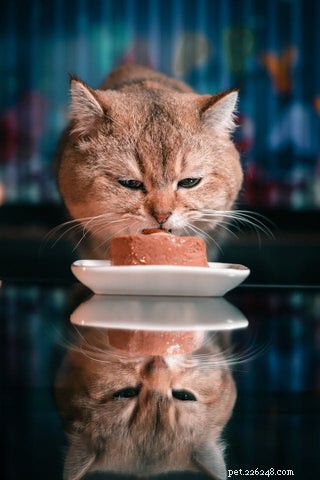
Concern about rising pet‑food costs is widespread. A March 2025 survey found that 28% of pet owners worry about affordability, while 52% fear that tariffs will make pet ownership more expensive.[1]
Local news outlets have reported that cat‑food prices are already climbing. A Colorado retailer, cited by Denver’s Fox 31 News, noted that the cost of food, supplies, and even shopping bags has increased, forcing a 10% price hike to stay afloat.[2]
Tariff rates fluctuate daily, making precise predictions difficult. This article explains how current U.S. tariffs can influence cat‑food pricing.
What Are Tariffs?

A tariff is a tax levied on imported goods. Governments use them to generate revenue, protect domestic industries, correct trade imbalances, or retaliate against unfair practices.
Who Actually Bears the Cost?

While tariffs target foreign producers, the price burden ultimately falls on consumers. Any added cost is typically passed along the supply chain, raising the retail price of the finished product.
Tariffs can also trigger supply shortages. If imports become too expensive and domestic producers cannot meet demand, scarcity pushes prices higher. Additionally, firms may incur higher operating costs when adjusting supply chains, further inflating consumer prices.
How Tariffs Impact Cat‑Food Costs
Cat‑food production relies on a global supply chain—for ingredients, packaging, and manufacturing equipment.
Packaging: The Tinplate Steel Issue
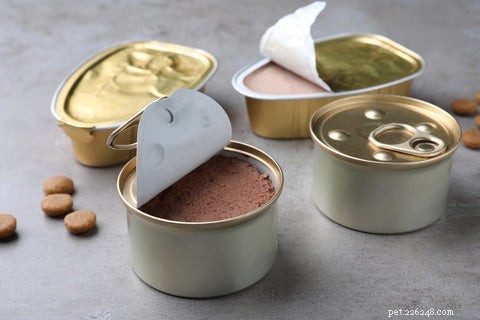
Many canned cat foods use tinplate steel—a thin layer of tin-coated steel—because of its corrosion resistance. Approximately 25.1 billion cans are produced annually, with 83% destined for human and pet food.[4]
Why U.S. Imports Tinplate Steel
Domestic production cannot keep pace with demand. In 2022, 62% of tinplate steel was imported.[5] U.S. manufacturers view the market as small and shrinking, leading to mill closures rather than new investment. Robert Budway, president of the Can Manufacturers Institute, told Fastmarkets that it’s “not a large segment to invest in.”[6]
Quality Matters for Canned Cat Food
Pet‑food cans require high‑grade tinplate steel to prevent leaks, rust, and contamination. Achieving the required thicknesses and widths is complex, and foreign producers currently dominate the market. Consequently, U.S. can manufacturers must import steel that meets their standards.
Tariffs on Tinplate Steel
Tariffs on imported tinplate steel raise the cost of packaging, which directly inflates cat‑food prices. Since U.S. producers cannot replace the supply, the only option for food manufacturers is to seek alternative packaging or absorb the cost, both of which drive up retail prices.
Ingredients: A Global Puzzle
Many ingredients appear to come from one country but are actually sourced globally. Tariff changes affect each component’s cost.
Domestic vs. Imported Ingredients
According to the Association of American Feed Control Officials (AAFCO), many pet‑food ingredients are produced in the U.S. and Canada, though Canadian pet‑food tariffs are temporarily paused.[8] Exceptions include lamb/sheep meat (often from New Zealand), fish meal, fruit, tapioca, and vitamins/minerals, many of which are imported. Crucially, taurine—essential for cats—is largely sourced from China, with a small portion from Japan.[9]
Why “Made in the USA” Doesn’t Guarantee Domestic Ingredients

The Federal Trade Commission defines “Made in the USA” as the place where the product is processed and assembled, not where all ingredients originate. “Made in America” includes any country in the Americas, and “Sourced in the USA” indicates only a portion of ingredients are domestic. As a result, a product bearing any of these labels can still be subject to tariffs when imported into the U.S.
Labeling can be misleading; the FDA regulates pet‑food safety but does not enforce all labeling claims.
Opaque Supply Chains: The Role of Middlemen

Some companies use intermediaries—banks or logistics firms—to act as the importer of record. This practice can obscure the true origin of ingredients, yet tariffs are still applied and ultimately reflected in retail prices.[11]
Current Market Conditions
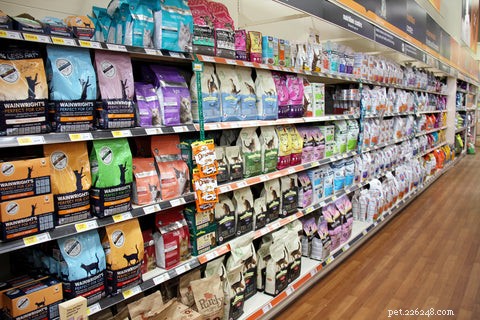
Despite tariff hikes, the cat‑food market remains relatively stable, likely due to early stockpiling by distributors who anticipated the new duties. Estimates suggest U.S. distributors secured three to six months of supply. The second half of the year may see price adjustments unless tariffs are eased.
Managing Your Cat‑Food Budget
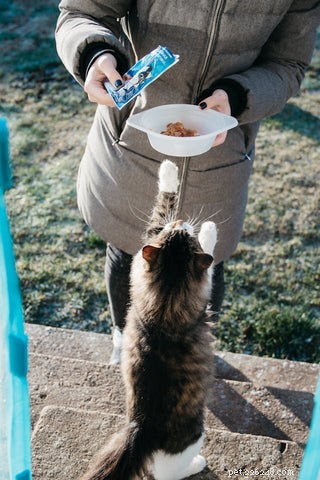
A Rover survey of 1,000 pet parents found that 25% have already switched to lower‑priced brands, and 34% would cut pet spending last if budgets tightened. While it’s important not to compromise your own nutrition, consider adjusting the brand if necessary.
Additional resources:
- Contact local food pantries or shelters; many provide free or discounted pet food.
- Use Petfinder’s Pet Help Finder to locate nearby resources.
When changing brands, transition slowly to avoid gastrointestinal upset. For guidance, see our transition guide (mid‑post).
Finally, consider contacting your congressional representatives to voice concerns about how tariffs affect you and your pet.
Pet Help Finder
Finding reliable cat‑food supplies is essential to prevent the need to relinquish pets to overburdened shelters.
Love Pinterest? Here’s a Pinterest‑friendly pin for your boards!
Dawn LaFontaine
Dawn LaFontaine is a lifelong animal lover who always seems to have a little pet hair on her keyboard. Her blog, Kitty Contemplations, helps cat guardians better understand and care for their special companions. Her company, Cat in the Box, designs award‑winning products that meet cats’ biological needs.
FOOTNOTES
[7] Escapehatch. “Why the Pet Food Industry Is Paying Attention to Tinplate Steel Tariffs.”
- Pet Behavior
- Pet Breeds
- Pet Names
- Pet Adoption
- Pet Training
- Cat Stories
- Pet Health
- Adorable Pets
- Cats
- Preventing and Recognizing Nicotine Poisoning in Pets
- How Fast Do Hedgehogs Run? Understanding Their Speed
- How to Bathe a Cat (Part 1): Preparing Your Feline for a Safe Bath
- Boao 2‑Pack Guinea Pig & Rat Hammock – Cozy, Durable, & Pet‑Approved
- 2019 Petfair South China Pet Supplies Exhibition – Premier Pet Products Showcase
- Ollie vs. Farmer’s Dog: 2022 Review of the Best Fresh Dog Food
- Meet Crumble: Ragdoll of the Week Spotlight