

How to Tell If Your Cat Is Scared (and What to Do About It)
How to Tell If Your Cat Is Scared
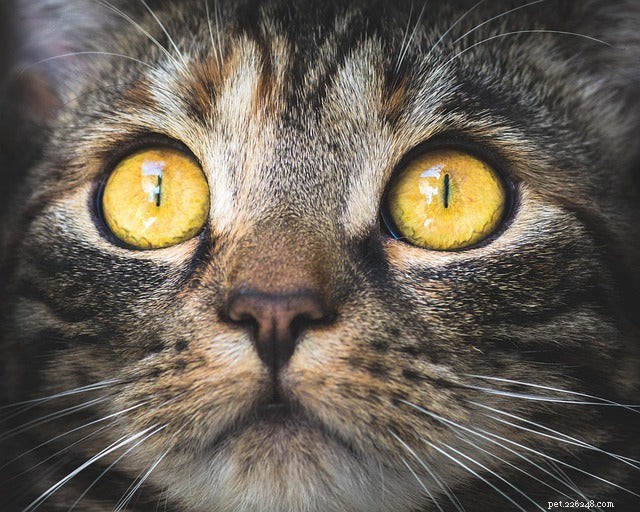
Fearful cats often masquerade as shy, irritable, or simply aloof. The outward display can be deceptive, but a scared cat is always under distress, which can have serious long‑term effects on both mental and physical health.
As a responsible owner, it’s crucial to identify the root cause of your cat’s anxiety so you can either eliminate the trigger or help your pet cope.
Why Fear is Harmful for Cats
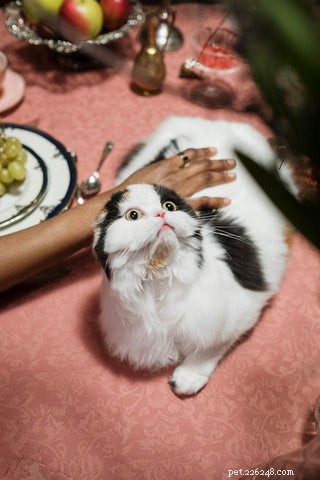
Humans often enjoy a “good scare,” but for cats a single frightening event can set off a cascade of stress that lasts a lifetime. This phenomenon, known as one‑trial learning, means that one traumatic experience can produce lifelong fear and behavioral problems.
Fear Can Escalate, Not Diminish
Unlike many other species, cats rarely outgrow their fears on their own. Without intervention, fear can intensify and spread to unrelated stimuli.
Generalized Anxiety and Physical Health Risks
A single incident can trigger generalized anxiety, causing a cat to fear new sounds, objects, or even its own reflection. Chronic stress may lead to stress cystitis—a painful urinary tract infection that can become life‑threatening. If you notice blood in your cat’s urine, seek emergency veterinary care immediately.
Behavioral Consequences and Shelter Statistics
In a study of 3,200 cats in Finland, fear was strongly linked to aggression toward humans, over‑grooming, and litter‑box problems—among the top reasons cats are relinquished to shelters. Unfortunately, the American Humane Society reports that 71% of cats in shelters ultimately face euthanasia. [3]
For more on how fear manifests, read our related article on cats and cucumbers.
Signs a Cat Is Scared

Scared cats may appear angry, bored, or even “misbehaving.” Below is a comprehensive list of behaviors that can indicate underlying fear:
- Hissing or growling
- Hiding or retreating to a safe space
- Trembling or shaking
- Rapid breathing
- Curling into a tight ball
- Avoiding or leaping away from a stimulus
- Soiling outside the litter box
- Scratching, biting, or swatting
- Freezing or crouching
- Rapid blinking or flattened ears
- Tail tucked or puffed up
- Grooming or licking the nose excessively
- Refusal to eat (swallowing difficulties)
Why Fear Isn’t Always Visible
Cats are relatively solitary animals and have evolved simple communication methods. Unlike humans or dogs, they rarely signal distress overtly; their internal anxiety may be hidden behind calm or even irritable behavior.
Nature vs. Nurture in a Cat’s Fearfulness
Both genetics and early life experiences shape a cat’s temperament. Certain breeds—such as Abyssinians, Cornish Rexes, and Ocicats—tend to display more confidence, suggesting inherited traits. Conversely, kittens that are exposed to a variety of people, pets, sounds, and textures during the critical 2–14‑week window are less likely to develop fear later in life. [6] Well‑socialized kittens also show fewer fears in adulthood. [7]
How to Comfort a Scared Cat
The instinct to hug a frightened pet can be counterproductive. When a cat is scared, it seeks safety and isolation, not human touch. Instead, provide a quiet, secure environment where your cat can retreat on its own terms.
Give Your Cat a Safe Hideout
Create a dedicated “safe room” with a covered bed, fresh water, food, and a litter box. Ensure the area is quiet and free of distractions. Once your cat feels secure, step back and let it acclimate.
Common Triggers for Cat Fear
Typical fears include:
- Thunderstorms, fireworks, and loud noises
- Strangers, other animals, and unfamiliar pets
- Vehicle sounds, car rides, and the vet clinic
- Vacuum cleaners, lawn mowers, and household appliances
- Police sirens, moving furniture, or new smells (e.g., candles)
- Being confined, seeing its own reflection, or unusual objects like balloons and ceiling fans
Some owners report unusual phobias such as fear of kittens, clocks, or even a simple can opener. These anecdotes underscore the importance of evaluating each cat’s unique sensitivities.
Why Cats Are Naturally Cautious
Our feline ancestors survived by being wary of predators and potential threats. “Neophobia” (fear of new things) is an evolutionary safeguard that helps them avoid danger. While it may seem inconvenient, this trait keeps cats safe in a world full of hazards.
Managing Chronic Anxiety and Fear
1. Vet Check‑up
Because cats are masters at masking discomfort, a veterinary exam can rule out underlying medical conditions that mimic fear or exacerbate it.
2. Identify Triggers
Observe your cat’s reactions to everyday stimuli—brushes, shoes, toothbrushes, or even the presence of a new baby. Understanding specific triggers is the first step toward intervention.
3. Remove the Source When Possible
If a particular object or sound is consistently frightening, consider eliminating or isolating it. The less your cat is exposed to a trigger, the less anxiety it will experience.
4. Use Calming Aids
Feliway pheromone diffusers or probiotic supplements like Purina Pro Plan Calming Cat Care can help lower cortisol levels. These products are not miracle cures, but many owners report noticeable improvements.
5. Seek a Veterinary Behaviorist
A board‑certified veterinary behaviorist can design a tailored desensitization and counter‑conditioning plan. They can also prescribe medications—such as Lyrica or Prozac—when necessary to manage severe anxiety.
6. Maintain Predictable Routines
Consistency in feeding, playtime, and sleeping schedules reduces stress. Multiple simultaneous stressors amplify anxiety, so minimize changes whenever possible.
Resources for Further Assistance
- American Veterinary Medical Association
- American College of Veterinary Behaviorists
- American Veterinary Society of Animal Behavior

Dawn LaFontaine
Dawn is a lifelong animal lover and the author of Kitty Contemplations, a blog dedicated to helping cat owners better understand and care for their companions. She also runs Cat in the Box, a line of award‑winning, biologically‑inspired cat products.
FOOTNOTES
[3] Mikkola S, Salonen M, Hakanen E, Lohi H. Fearfulness associates with problematic behaviors and poor socialization in cats. iScience. 2022 Oct 3;25(10):105265. doi: 10.1016/j.isci.2022.105265. PMID: 36274942; PMCID: PMC9579021. Link
[6] Mikkola S, Salonen M, Hakanen E, Lohi H.
[7] Amat M, Camps T, Manteca X. Stress in owned cats: behavioural changes and welfare implications. J Feline Med Surg. 2016 Aug;18(8):577-86. doi: 10.1177/1098612X15590867. Epub 2015 Jun 22. PMID: 26101238; PMCID: PMC10816390. Link
[10] Amat M, Camps T, Manteca X. Stress in owned cats: behavioural changes and welfare implications. J Feline Med Surg. 2016 Aug;18(8):577-86. doi: 10.1177/1098612X15590867. Epub 2015 Jun 22. PMID: 26101238; PMCID: PMC10816390. Link
- Pet Behavior
- Pet Breeds
- Pet Names
- Pet Adoption
- Pet Training
- Cat Stories
- Pet Health
- Adorable Pets
- Cats
- Schwarzschild's Cat: Decoding a Curious Concept
- Understanding Why Dogs Vomit White Foam: Causes, Symptoms, and When to Seek Veterinary Care
- Understanding Feline Colitis: Causes, Symptoms, and Effective Treatments
- Laika Aqua Pet Water Fountain: A Trusted Review on Hydration and Convenience for Your Cat
- My Puppy Hates His Collar? Learn How to Make Collaring Stress‑Free
- Recognizing Pain in Your Pet: Essential Signs & Vet Visit Guidelines
- How to Handle Your Pet’s Belongings After They Pass Away