

How to Quickly Find a Lost Cat – Proven Strategies That Work
How to Quickly Find a Lost Cat
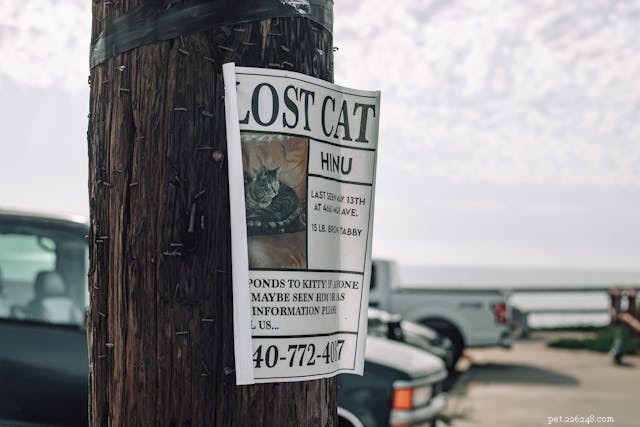
When a cat goes missing, panic can set in, but staying calm and acting decisively is the best first step. According to a large multi‑country study, 64% of lost cats are found alive, and a third of those are located within the first few days of the search.1
Why Cats Behave Differently From Dogs When They’re Lost
Dogs often run toward the road, prompting owners to start a vehicle chase. Cats, however, tend to hide in silence—under decks, behind sheds, or inside vehicles—avoiding predators and loud noises. This instinctive behavior explains why a cat might ignore repeated calls yet still be safe nearby.
Most Cats Stay Close to Home
Research of 1,210 lost cats in the U.S., Australia, and Canada found that 50% were found within 50 meters of their homes, and 75% were discovered within 500 meters. Indoor‑only cats are especially likely to stay within a 200‑meter radius, while outdoor cats may travel up to 2 km.2
Personality Matters
Curious cats are more likely to explore new homes and may appear in someone else’s house. Reserved cats often remain hidden. Knowing your cat’s temperament can guide where you search.
Don’t Wait for the Cat to Come Back
Even a healthy cat can become trapped, injured, or frightened, preventing it from finding its way home. The same study noted that one‑third of cats were found alive in the first seven days, highlighting the importance of immediate action.3
You’re the Most Effective Searcher
While volunteers and pet detectives are helpful, the most successful rescues are initiated by the owner. Your motivation, knowledge of your cat’s habits, and willingness to explore every corner of your property give you a critical advantage.
Immediate Steps to Take
- Check the House Thoroughly – Look in drawers, closets, appliances, basements, and under furniture. Cats can hide in surprisingly small spaces.
- Notify Local Animal Control – Provide your contact details so they can call you if your cat is found.
- Contact Your Microchip Company – Verify that your contact information is up to date. If your cat isn’t micro‑chipped, consider doing so immediately for future protection.
- Search the Neighborhood – Walk a five‑house radius, knocking on doors, asking neighbors for permission to search sheds, garages, and nearby yards. Bring a flashlight and a carrier.
- Use Social Media – Post in local Facebook groups, community boards, and on Craigslist’s “lost & found” section. Keep the listing fresh by updating it regularly.
- Visit Local Shelters Daily – Cats can be euthanized within a few days. Frequent visits increase the chance of spotting your cat and speaking with staff.
- Engage Rescue Networks – Reach out to feline rescue groups, trap‑neuter‑return organizations, and feral cat caretakers. They often have additional leads.
- Post Posters and Flyers – Follow MARN’s guidelines: use large orange poster board, black markers, and laminate flyers. Display them at intersections, bus stops, and community bulletin boards.
- Set Up a Humane Trap – Place bait (e.g., tuna or sardines) in a trap you can rent or buy. Check it frequently.
- Leverage Technology – Use a motion‑activated wildlife camera near the last known location to spot your cat. If you suspect the cat is under a structure, an endoscope camera can help locate it.
- Consider a Pet Recovery Service – Free databases like PetFBI and Petco’s Love Lost are worth posting. Paid services may offer phone consultations or even search parties.
- Keep Your Cat’s Scent Out – Place the cat’s bedding or a familiar blanket outside near a door. Cats may be drawn back by familiar scents.
Should You Offer a Reward?
Experts advise against large monetary rewards. Altruistic motives often yield better results, and high rewards can attract scammers or cause people to move the cat away from its original area.4
Conclusion
Act promptly, search strategically, and leverage every available resource. With the right approach, you can dramatically increase the chances of a safe, happy reunion.
Source: Dawn LaFontaine, Kitty Contemplations. © 2026
- Pet Behavior
- Pet Breeds
- Pet Names
- Pet Adoption
- Pet Training
- Cat Stories
- Pet Health
- Adorable Pets
- Cats
- Prednisone Side Effects in Dogs: What to Watch For
- Hazardous Plants That Threaten Your Dog’s Health
- 101 Unique Greek Dog Names: Mythical, Modern & Meaningful
- Optimal Ferret Nutrition: High-Fat, Protein-Rich Diets for Health & Energy
- Effective Dachshund Training: Proven Techniques for Smart & Stubborn Puppies
- Step‑by‑Step Guide: Bathing Your Bearded Dragon Safely
- Lavender Albino Ball Python: Stunning Color Morph for Enthusiasts