

Summer Safety Guide for Pets: Essential Dos & Don'ts
As summer arrives, follow these best practices to keep your pet safe and happy.
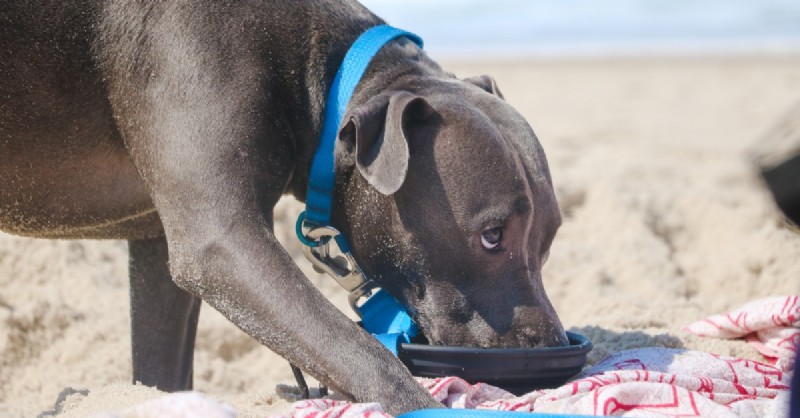
Sunshine, outdoor adventures, barbecues, and swims can delight pets, but they also bring hazards. Below are expert‑approved dos and don’ts for pet owners during the warm season.
Do Keep Your Pet’s Water Bowl Fresh
Hydration is critical when temperatures rise. Provide ample fresh water for all pets and check the level regularly. Even if the bowl appears full, verify the temperature—pets should not drink hot water on a hot day.
Don’t Leave Your Pet in a Car
Numerous tragic stories remind us that a parked car can become a death trap. In 32 U.S. states, leaving an animal in a vehicle is illegal. A car interior can reach 100 °F (38 °C) or more in just ten minutes, far exceeding a pet’s safe limit. To prevent this, keep pets at home or bring them on a leash or in a carrier so you can exit immediately if needed.
Do Create a Shady Space
A backyard without shade can be as hazardous as an overheated car. Consider building a doghouse or using a portable tent to provide shade. Overhead coverings like awnings create a cool retreat on patios or decks, allowing your pet to rest comfortably.
Don’t Ignore Heatstroke Symptoms
Heatstroke is life‑threatening; it occurs when a pet’s core temperature exceeds 104 °F (40 °C). Look for disorientation, excessive panting, drooling, red gums, vomiting, diarrhea, weakness, or collapse. If you suspect heatstroke, wrap your pet in cool, damp towels and seek emergency veterinary care immediately.
Do Barbecue Safely Around Pets
Barbecues are fun, but keep pets indoors while you grill. After the grill is off and all tools are removed, you can let them out. Avoid foods that are toxic to pets—such as alcohol, chocolate, grapes, raisins, onions, and garlic—and steer clear of fatty or processed meats. Instead, offer pet‑friendly options like melon, green beans, or plain, cooked chicken.
Don’t Go Swimming Without Precautions
Some pets love water, but many breeds struggle to stay afloat. Use a properly fitted pet flotation device and supervise them at all times. Natural water sources can harbor harmful microorganisms, so choose clean, treated pools whenever possible.
Partner With Your Veterinarian
Even with the best precautions, summer emergencies can occur. Keep your vet’s contact information handy and consider a pre‑summer wellness exam to confirm your pet’s fitness for outdoor activity.
Ready to Save on Pet Wellness Care?
Discover Mint Wellness, a pet wellness plan that offers fast reimbursement for routine care—vaccinations, exams, preventatives, dental work, and more!
Learn More
- Pet Behavior
- Pet Breeds
- Pet Names
- Pet Adoption
- Pet Training
- Cat Stories
- Pet Health
- Adorable Pets
- Cats
- Advances in Hemangiosarcoma Research: Early Diagnosis & New Therapies
- Is Your Dog Lethargic? Immediate Steps to Diagnose and Help
- The Ultimate Guide to Uromastyx Lizard Diets: Expert Tips from a Herpetologist
- When Do Cats Reach Full Maturity? Age, Growth, and Weight Explained
- Hugh the Shih Tzu’s Intense Stare: Charming Yet Slightly Creepy
- Understanding Why Greyhounds Tend to Hoard: Insights and Tips
- 7 Ways Your Pet Cat Mirrors Wild Big Cats