

Spring Shedding Season in Cats: Proven Strategies to Keep Your Home Fur‑Free
Discover how to manage your cat’s spring shedding and keep your home cleaner with simple, effective habits.
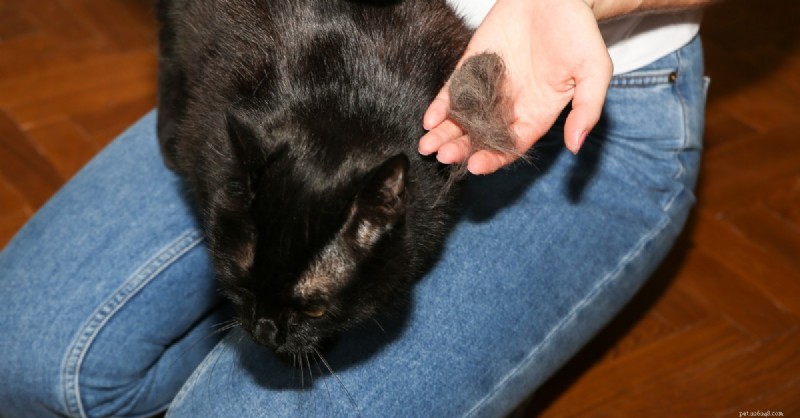
One day your cat looks sleek and tidy, the next day your furniture, clothes, and floors are blanketed in fine fur. Spring shedding has arrived, and for many owners it feels never‑ending.
As daylight lengthens and temperatures rise, cats naturally shed their heavier winter coats. While this is a healthy adaptation, it can quickly overwhelm a household if you’re not prepared.
Good news: with the right habits and tools, spring shedding becomes manageable—and it also supports your cat’s overall health.
Why Cats Shed More in Spring
Shedding is driven more by light exposure than temperature. Longer days signal your cat’s body to release its thick winter undercoat, a process that can last several weeks.
Some cats shed lightly, others lose fur in clumps. Long‑haired breeds often show more noticeable shedding, but short‑haired cats are not exempt. Indoor cats can shed too—artificial lighting can influence their cycles.
The Importance of Regular Cat Grooming
Regular grooming is the most effective way to control shedding. It captures loose hair before it spreads or gets ingested during your cat’s self‑grooming.
Brush your cat several times a week during shedding season. Heavy shedders may benefit from daily brushing. This reduces loose fur and prevents mats and tangles.
Choose the right tool: a slicker brush works well for long coats, while a rubber grooming brush is gentler on short‑haired cats. If your cat is new to grooming, start with short, gentle sessions to build trust.
Reducing Hairballs in Your Cat
Frequent grooming reduces the amount of fur your cat swallows, lowering hairball frequency. Hydration also matters—ensure fresh water is always available and consider adding wet food to increase moisture intake.
Hairball control treats and formulas are available; they support digestion and help move fur through the system more smoothly.
Keeping Your Home Clean
Even with diligent grooming, some fur will find its way around the house. Frequent vacuuming, especially in areas where your cat rests (couches, beds, favorite spots), can keep buildup at bay.
Lint rollers are handy for quick clean‑ups—place one near entryways or in the car. Wash bedding and blankets often to maintain a fresh environment.
Air purifiers can also reduce airborne fur and dander, which is especially helpful for households with allergies.
Supporting Coat Health Through Good Nutrition
A healthy coat starts inside. Choose high‑quality cat food rich in omega‑3 and omega‑6 fatty acids to promote skin health and reduce excessive shedding.
Maintain dietary consistency; frequent changes can upset your cat’s system. If you notice dull fur, excessive shedding, or dry skin, consult your veterinarian for tailored advice.
Bathing Your Cat and When It Helps
Most cats do not need regular baths—they groom themselves effectively. Occasional baths during heavy shedding can remove loose fur, but only if your cat tolerates water.
Use a cat‑specific shampoo and rinse thoroughly to avoid skin irritation. If your cat resists bathing, skip it—stress can do more harm than good.
Managing Shedding in Multi‑Cat Homes
Multiple cats mean more fur. Establish a grooming schedule for each cat to keep shedding under control and prevent buildup.
Designate washable resting areas with covers to contain fur and simplify cleaning. Consistency is key—small daily efforts prevent overwhelming messes.
When Cat Shedding Might Signal a Problem
While seasonal shedding is normal, excessive or unusual hair loss may indicate underlying issues.
Watch for bald spots, redness, or constant scratching—potential signs of allergies, parasites, or skin conditions. Sudden changes in shedding patterns warrant a vet visit to prevent escalation.
Making Cat Shedding Season Manageable
Spring shedding is a natural part of your cat’s life. By combining regular grooming, proper nutrition, and consistent cleaning, you can keep your home fur‑free and support your cat’s comfort and health.
Over time, these habits become second nature—turning shedding season into just another manageable part of pet care.
Ready to start saving money on pet wellness care?
Then take a look at Mint Wellness, the pet wellness plan that provides fast reimbursement on routine pet care. Save on vaccinations, wellness exams, preventatives, dental, and more!
Learn More
- Pet Behavior
- Pet Breeds
- Pet Names
- Pet Adoption
- Pet Training
- Cat Stories
- Pet Health
- Adorable Pets
- Cats
- Dealing with Aggressive Puppy: Choosing the Right Trainer, Behaviorist, or Counselor
- Dog Training Tip #40: Mastering the 'Come' Command
- Premium Dog Collars Direct from QQPets Factory – Trusted Quality & Style
- Are Bananas Safe for Guinea Pigs? A Guide to Feeding Them Fruit
- 5 Easy Homemade Dog Food Recipes for Sensitive Stomachs
- Monthly Fundraising Ideas to Support Cats Protection in 2024
- Training Your Cat: Proven Techniques to Teach Tricks and Commands