

12 Cat Breeds That Get Along with Dogs
No Sibling Rivalry Here!
Viral clips of cats hissing at dogs are common, but many felines are far more sociable. A handful of breeds naturally bond with dogs, enjoy fetch, and even don’t mind a splash of water. Whether you’re adding a new pet or already have a mixed‑species household, the right breed can bring harmony and fun to everyone.
Building a strong bond starts with a slow, scent‑based introduction. Dr. Natalie Marks, DVM, explains: “Keep the new cat or dog in a separate room with its essentials—food, water, bedding, and a litter box for a cat. Feed them on opposite sides of the door so each smells the other’s reward.”
After a few days, install a baby gate or slightly crack the door to let them see, but not touch, each other while eating. Swap toys and blankets to exchange scents, and let the cat explore the dog’s space when the dog is outside. “This gradual overlap lets the cat learn the dog’s territory without threat,” Dr. Marks says.
Below we list the 12 breeds that most readily embrace canine companions. Our recommendations come from Dr. Marks and Teresa Keiger, a seasoned breeder and editor with the Cat Fanciers’ Association. Their combined decades of experience ensure you get reliable, breed‑specific advice.
Want more pet insights? Subscribe to Reader’s Digest’s Read Up newsletter for the latest in pets, tech, travel, and more.
American Shorthair
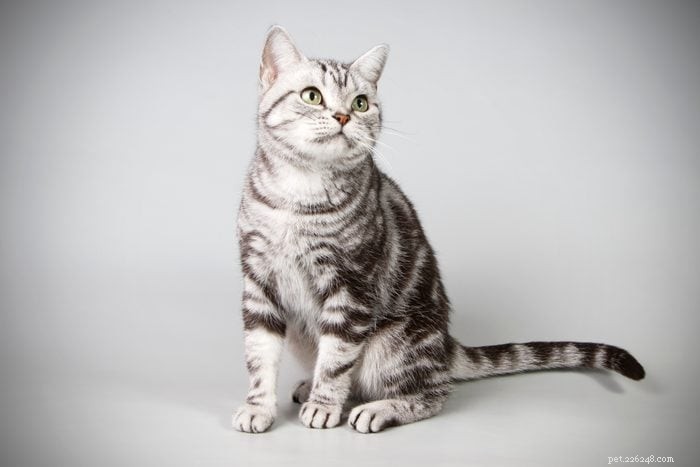
American Shorthairs are affectionate, confident, and playful. Once house boundaries are established, they thrive on interaction with humans and dogs alike. With a lifespan of 15 years or more, they’re a long‑term family member.
Japanese Bobtail
Known for their signature pom‑pom tail, Japanese Bobtails treat themselves as part of the family. They’ll curl beside you and your pup, fetch toys, and splash in water bowls—making them a lively canine companion.
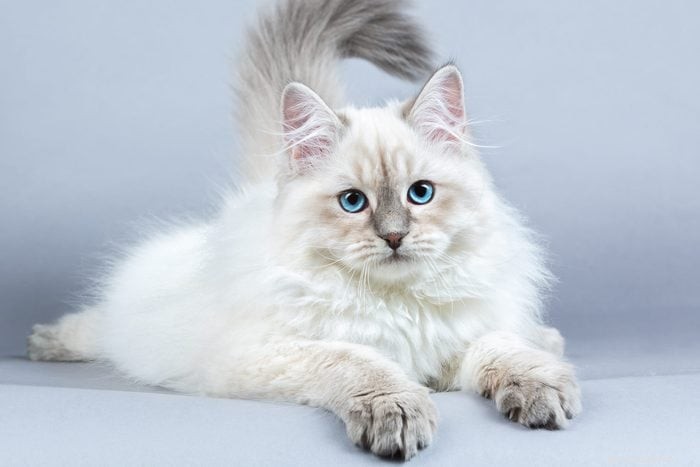
Siberian
Originating from Russia, Siberians are robust and confident, often taking the lead in a multi‑pet household. Their size—up to 17 pounds—combined with a luxurious coat, gives them an authoritative presence that dogs respect.
Maine Coon
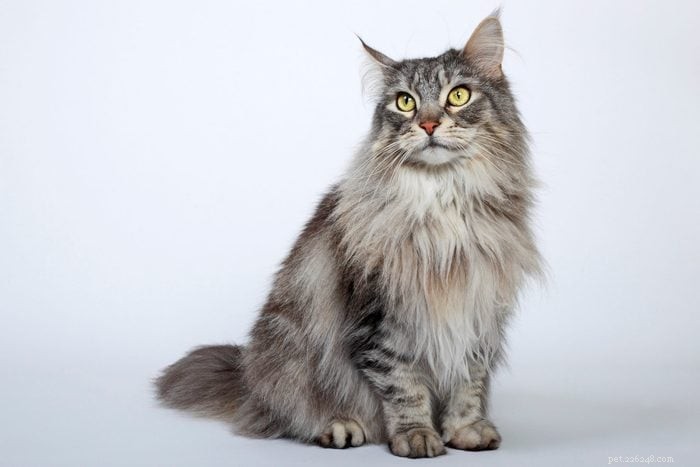
The state cat of Maine, this large, sturdy breed loves to fetch and even walk on a leash. Unlike most cats, many Maine Coons enjoy water, making them a playful addition to a dog‑centric home.
British Shorthair
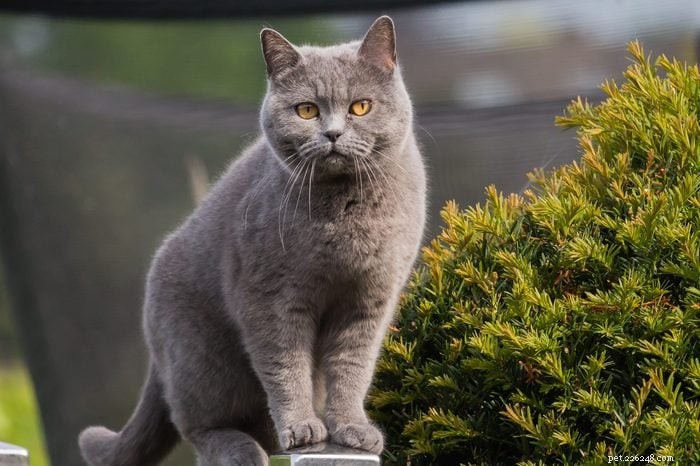
With a muscular build and a laid‑back temperament, British Shorthairs handle physical play without getting offended by a dog’s antics. Their strength, once celebrated in hunting, now translates into gentle companionship.
Birman
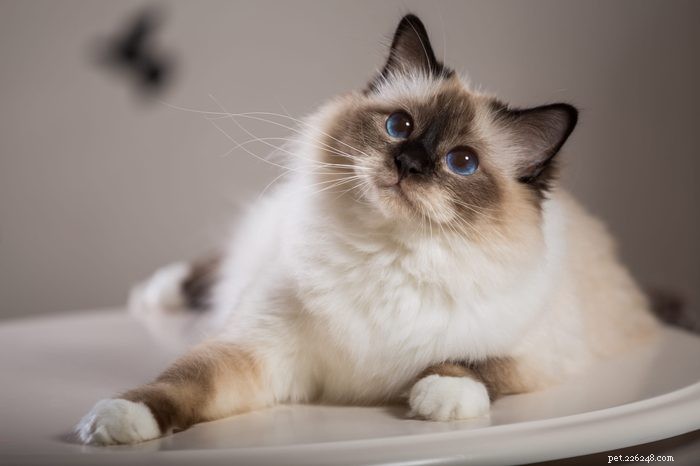
Birmans are affectionate and social, often turning the classic cat‑and‑mouse game into cat‑and‑dog tag. They love to chase, fetch, and share the spotlight with their canine friends.
Norwegian Forest Cat
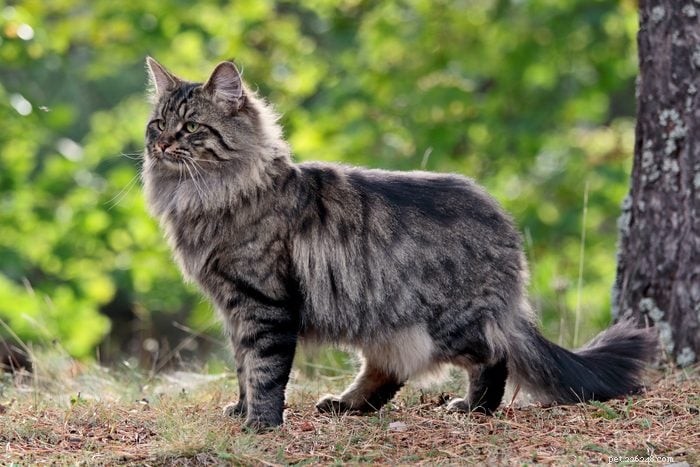
Similar in size to a Maine Coon but with almond eyes and a straight profile, Norwegian Forest Cats are relaxed, friendly, and adapt well to shared living spaces—especially if raised together with a dog.
Abyssinian
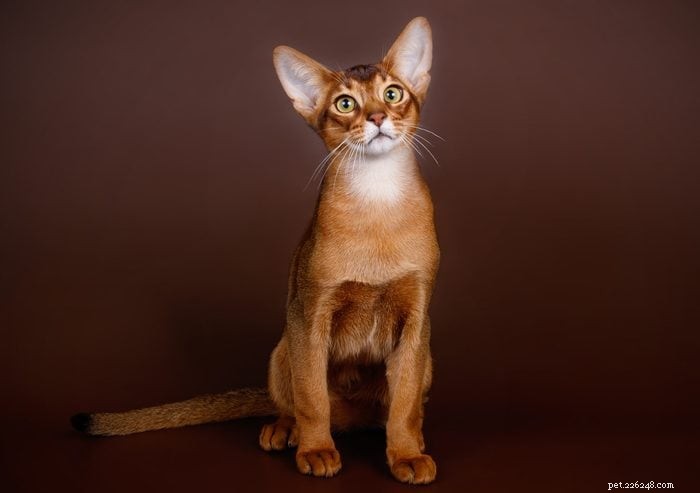
Abyssinians are perpetually curious, eager to interact with all household members. They thrive on mental and physical stimulation, making them a perfect match for an energetic dog.
Tonkinese
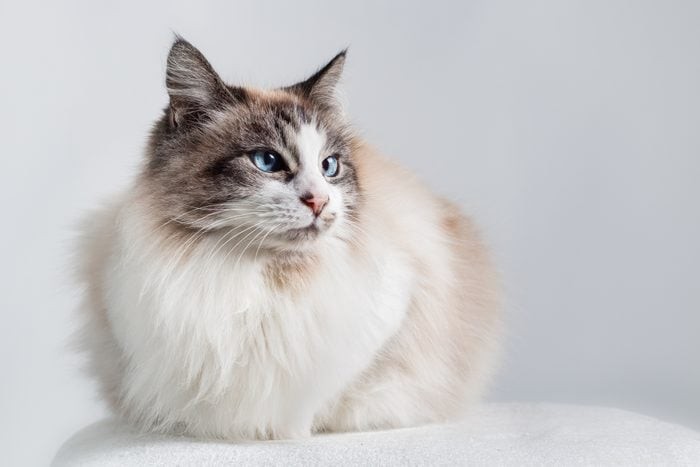
Combining the vocal intelligence of Burmese and Siamese, Tonkinese cats are highly social and often respond to a dog’s barks. Their playful nature and dislike of being ignored make them ideal companions for a household with a dog.
Ragdoll
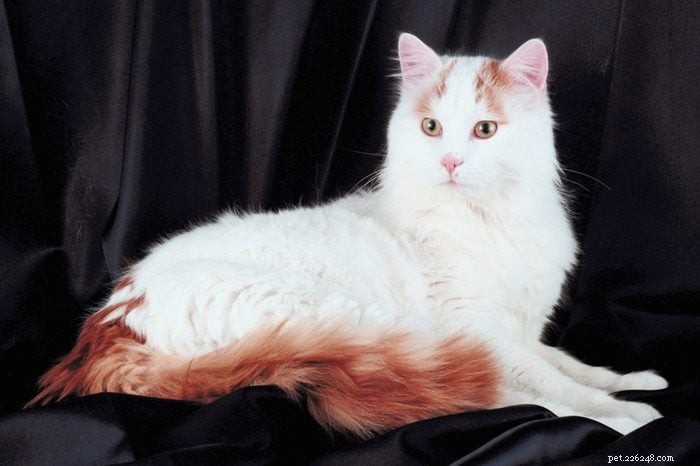
Ragdolls mirror many dog‑like behaviors: they greet you at the door, follow you around, and even learn to walk on a leash. Their gentle disposition means they love spending time with both humans and dogs.
Turkish Van
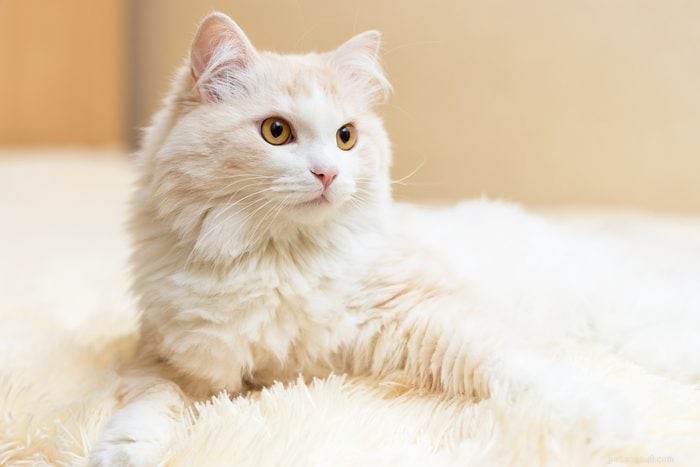
With a water‑resistant, cashmere‑like coat, Turkish Vans love swimming and water play. They enjoy games of fetch and retrieval, making them a natural water buddy for dogs who enjoy aquatic activities.
Turkish Angora
Energetic and affectionate, Turkish Angoras relish social interactions. While they’re playful and love other pets, their assertive nature can position them as the household’s “alpha,” sometimes challenging the dog’s leadership.
About the Experts
- Natalie Marks, DVM – Small animal veterinarian with 20+ years of experience in feline health and behavior.
- Teresa Keiger – Editor of Cat Talk, CFA All‑breed Judge, and long‑time breeder of Russian Blues.
Why Trust Us
At Reader’s Digest, we publish content authored by specialists who consult with qualified experts. We rely on reputable primary sources—including government agencies, academic institutions, and industry bodies—to verify facts. Our team revisits each article to ensure accuracy and relevance.
Sources
- Natalie Marks, DVM – Small animal veterinarian
- Teresa Keiger – Editor, Cat Fanciers’ Association
- Purina – “Siberian” breed profile
- Government of Maine – “State Cat – Maine Coon Cat”
- Cat Fancier’s Association – “Norwegian Forest Cat”
- Cat Fancier’s Association – “Turkish Van”
- Cat Fancier’s Association – “Turkish Angora”
- Pet Behavior
- Pet Breeds
- Pet Names
- Pet Adoption
- Pet Training
- Cat Stories
- Pet Health
- Adorable Pets
- Cats
- Top 5 Reasons Your Cat Is Constantly Meowing – What You Need to Know
- Natural Dog Food Unveiled: Benefits, Risks, and What Owners Should Know
- Nutritious Fruit & Veggie Meatloaf for Dogs – Easy Homemade Dog Food
- Why Cats Love to Cuddle: The Science Behind Their Cozy Companionship
- Discover the Proven Health Benefits of Maintaining a Thriving Aquarium
- Do Mother Dogs Lose Weight After Weaning? What to Expect
- Do Dogs Experience Dizziness? Causes, Symptoms, and Care