

Do Cats Dream? Expert Insights into Feline REM Sleep and What’s in Their Dreams
Taking a Cat Nap
Every day, you’ll spot your cat curled in a sunlit corner, eyes closed. Cats sleep an average of 12–15 hours daily—not out of laziness, but because rest is vital for their health and mental processing.
Do Cats Dream?
While a relaxed feline on a couch looks simple, science confirms that cats do dream. Dr. Katy Nelson, senior veterinarian at Chewy, told Reader’s Digest that “all mammals dream.” Studies on rats show that the brain activity during maze navigation parallels the activity seen in REM (rapid‑eye‑movement) sleep, the phase when dreaming occurs. Cats share this REM phase, indicating they experience vivid dreams as well.
Why Animals Sleep
Sleep is essential for growth, cellular repair, and memory consolidation in all mammals. Dr. Nelson explains that “sleep is a state of reduced consciousness that still allows the brain to process information acquired during the day.” For cats, this means consolidating the hunts, play, and interactions that fill their active hours.
Are Feline Dreams Similar to Human Dreams?
During non‑REM sleep, the brain rewires daily images into a new sequence—much like a film editor arranging clips. The brain’s serotonin system slows during REM, leaving large muscles relaxed while fine‑motor movements (eye flutter, whisker twitch, foot shifts) remain active. This explains the subtle motions cats display in their sleep.
REM vs. Non‑REM Sleep Explained
REM sleep features rapid eye movements and brain activity comparable to wakefulness, the window when dreaming is most intense. Younger animals, including kittens, spend a larger proportion of their sleep in REM, reflecting the influx of new experiences they must process.
What Do Cats Dream About?
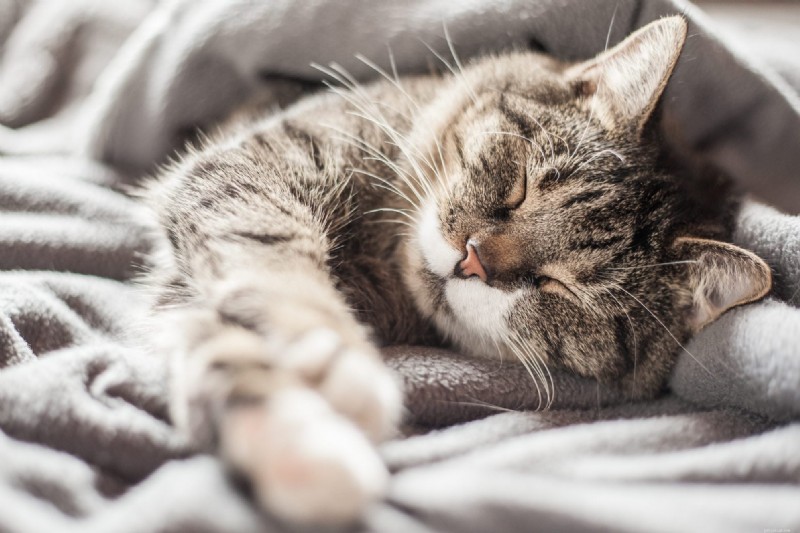
Since we can’t ask felines directly, we infer that their dreams mirror their daily lives. A backyard bird chase, a playful encounter with another cat, or the scent of their favorite treat are likely to replay during sleep. They may even envision the playful nudges that cause their favorite objects to fall.
Do Cats Move or Vocalize During Dreaming?
Like humans, cats exhibit fine‑motor movements and soft vocalizations when dreaming. Dr. Nelson notes that these reactions are the brain’s response to the imagery being processed. A twitch of the tail or a gentle purr can signal a vivid dream in progress.
Do Cats Experience Nightmares?
Nightmares are thought to help organisms prepare for threats. While cats probably don’t dream of exams or monsters, they may experience unsettling images—such as a suddenly appearing mouse or an empty food bowl—leading to startled awakenings.
Understanding these patterns can deepen the bond between you and your feline friend, offering insight into the subconscious adventures they navigate each night.
- Pet Behavior
- Pet Breeds
- Pet Names
- Pet Adoption
- Pet Training
- Cat Stories
- Pet Health
- Adorable Pets
- Cats
- Why Your Dog May Seem Angry: Decoding Their Signals
- How Long Is a Dog Pregnant? A 63-Day Guide to Gestation and Care
- Understanding Incontinence in Dogs: Causes, Symptoms, and Care
- Identifying Worms in Your Dog’s Stool: A Trusted Guide for Pet Owners
- Canine Otitis Externa: Causes, Symptoms, and Effective Treatments
- Ultimate Guide to Safe Hiking with Your Dog
- Do Dogs Really Grasp Cause and Effect? Insights for Better Training