

13 Common Houseplants That Are Toxic to Cats – What Every Owner Needs to Know
During Poison Prevention Week, veterinarians urge pet owners to be vigilant about common household toxins. While plants can beautify a home and improve air quality, many popular ornamental species are dangerous if ingested by cats. Below is a concise, expert‑verified list of the 13 most toxic houseplants for felines, along with key symptoms and safety tips.
Allium (Onions, Garlic, Leeks, Chives, Shallots)
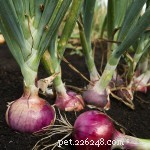
Allium spp. contain organosulphur compounds that disrupt red blood cells, leading to anemia. Cats may experience gastrointestinal upset, lethargy, excessive thirst, and, in severe cases, hemolytic anemia. Even small amounts of cooked or raw onion and related foods can be harmful.
Autumn Crocus (Colchicum autumnale)
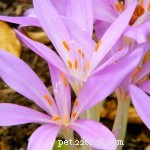
Colchicum autumnale produces colchicine, a potent inhibitor of DNA synthesis. Initial vomiting and diarrhea appear within hours; 24‑hour signs may include heart arrhythmias, kidney and liver failure, and respiratory distress. Early veterinary intervention is critical.
Castor Bean (Ricinus communis)
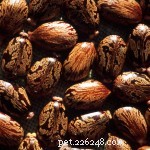
The seeds of Ricinus communis harbor ricin, a protein that kills cells. Only a few seeds can cause fatal poisoning. Symptoms range from bloody diarrhea and abdominal pain to weakness, trembling, and incoordination.
Daffodils (Narcissus spp.)

Bulbs contain galanthamine and lycorine alkaloids. While rare, ingestion can cause vomiting, diarrhea, abdominal pain, anorexia, and, in large doses, cardiac arrhythmias.
Jimson Weed (Datura stramonium)
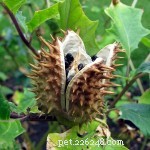
Tropane alkaloids are present in all parts, especially seeds. Symptoms can arise quickly: tachycardia, mydriasis, dry mouth, ataxia, seizures, and coma.
Lilies (Lilium spp.)

All Lilium species are highly nephrotoxic to cats. Even a single petal can trigger vomiting, loss of appetite, lethargy, and potentially fatal kidney failure within days if untreated.
Mistletoe (Viscum album)
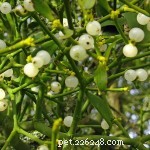
Leaves and stems contain alkaloids, glycosides, and viscotoxins. Vomiting and diarrhea are common; viscotoxins may affect cardiac and nervous systems.
Oleander (Nerium oleander)

Cardiac glycosides are present in all parts. Symptoms include vomiting, diarrhea, tremors, and seizures. A few leaves can be lethal, yet incidence is low due to limited consumption.
Poinsettia (Euphorbia pulcherrima)

Mildly toxic, the milky sap contains diterpene esters. Ingestion typically leads to oral irritation, salivation, vomiting, and occasionally diarrhea. Eye and skin irritation can also occur.
Rhododendron / Azaleas (Rhododendron spp.)

All parts contain grayanotoxins that disrupt nervous, cardiac, and respiratory function. Symptoms may include vomiting, weakness, tremors, and cardiovascular collapse.
Sago Palm (Cycas revoluta)

All parts are toxic, with seeds containing cycasin, a glycoside that induces hepatic and neurological damage. Mortality rates rise sharply after ingestion.
Tulips (Tulipa spp.)

Bulbs hold alkaloids that can upset the digestive system. Though cats rarely chew on whole flowers, the risk is low compared to other plants on this list.
More Toxic Plants Exist
This list covers the most frequently reported offenders, but many other ornamental species can harm cats. Before adding a new plant, research its toxicity or consult a veterinarian. For a comprehensive reference, see our extended guide on toxic plants for cats.
Key Resources
Cortinovis, C. & Caloni, F. (2013). Epidemiology of intoxication of domestic animals by plants in Europe. The Veterinary Journal, 197(2), 163‑168.
Severino, L. (2009). Toxic plants and companion animals. CAB Reviews: Perspectives in Agriculture, Veterinary Science, Nutrition and Natural Resources, 4(008).
In the event of suspected poisoning, time is of the essence. Seek veterinary care immediately. Prevention—keeping harmful plants out of reach—is the best strategy.
- Pet Behavior
- Pet Breeds
- Pet Names
- Pet Adoption
- Pet Training
- Cat Stories
- Pet Health
- Adorable Pets
- Cats
- Essential First Aid Kit Guide for Your Pets: Prepare for Emergencies
- Daisy Blue: The Charming Ragdoll of the Week
- Dog Grooming Essentials: How to Keep Your Coat Healthy
- Enalapril (Enacard/Vasotec) for Dogs: Safe, Effective Care for Heart, Blood Pressure & Kidney Health
- Mirtazapine: Effective Appetite Stimulant for Dogs Facing Illness
- Breeding the Rosy Boa: A Comprehensive Guide for Successful Reproduction
- 10 Clear Signs Your Dog Is Experiencing Stress – Recognize & Ease Anxiety