

Breeding the Rosy Boa: A Comprehensive Guide for Successful Reproduction
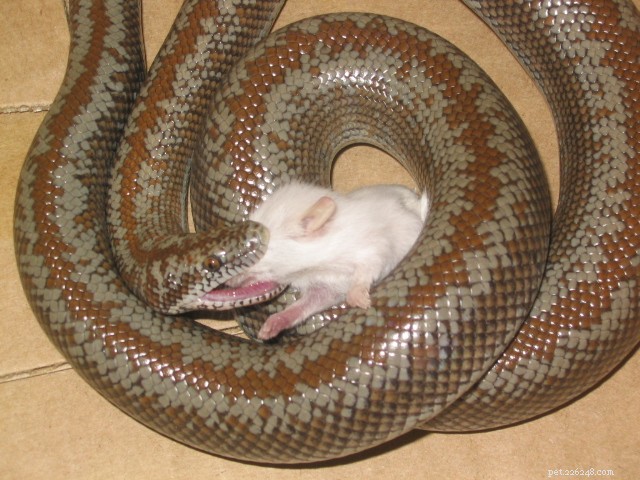 Spring is in the air in the Northern Hemisphere, and snake keepers are busy preparing for another breeding season. Species that range into temperate regions are especially likely to be stimulated to reproduce as the seasons change. For those interested in boas, I highly recommend working with North America’s beautiful Rosy Boa (Lichanura trivirgata). Small, hardy and live-bearing, this gem among constrictors is a great choice for both first- time and advanced breeders.
A Beautifully Patterned Northern Boa
Three subspecies of Rosy Boa occupy a relatively limited range – Southern California, Southwestern Arizona, Baja California and Sonora, Mexico. Their colors are quite varied, and a number of captive bred color strains are also available.
I’ve been lucky enough to come across them several times in my travels. Two spectacularly colored individuals stand out in my memory – an almond-striped, creamy specimen that emerged as darkness fell on the desert in Baja, Mexico and a pink and orange clad individual in Southern California.
Reproduction
Maxing out at 40 inches in length, these stout constrictors are more easily accommodated than most related species. Temperatures of 78-85F, with a warmer basking spot and, if possible, a nighttime dip to 70-72F, suit them well.
Breeding is most likely if the pair is maintained at 52-54 F for 6-8 weeks, but normal changes in home temperatures may be enough to stimulate reproduction in some cases. Animals selected for breeding should be at least 24 inches in length and 2 years of age.
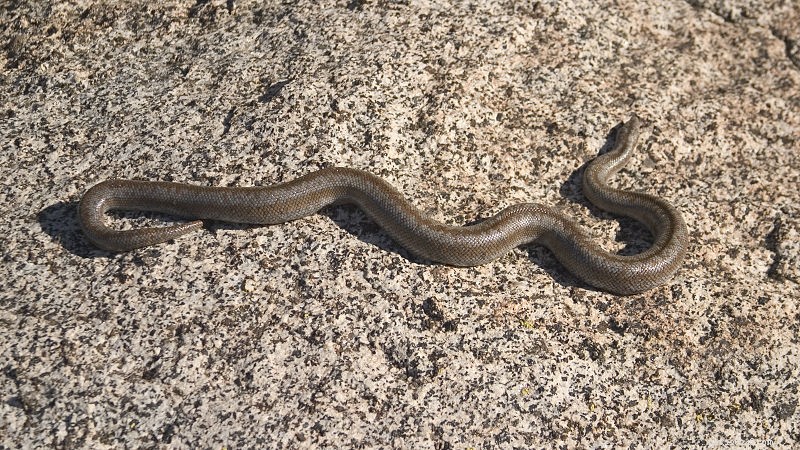 Copulation generally occurs from March to August, with birth following 100-140 days later. The youngsters, usually 3-6 in number, are stoutly built and usually vigorous. At an average size of 10-14 inches, they are large enough to take pink mice as soon as their first shed is completed.
The USA is home to another boa, the cold tolerant Rubber Boa, Charina bottae.
- Boa Constrictors vs. Pythons: Key Differences Explained
- Python vs Boa: Understanding the Key Differences for Prospective Owners
- Breeding Ruby Cichlids: Expert Tips for Success
- Mastering Discus Fish Breeding: Expert Guide to Selecting and Pairing Mates
- Designing an Effective Rain Chamber for Successful Amphibian Breeding
- Mastering African Clawed Frog Breeding: Proven Techniques & Care
- Rosy and Sand Boas: Complete Care, Breeding, and Natural History Guide