

Keep Your Dog Calm, Engaged, and Happy While You’re Home Alone
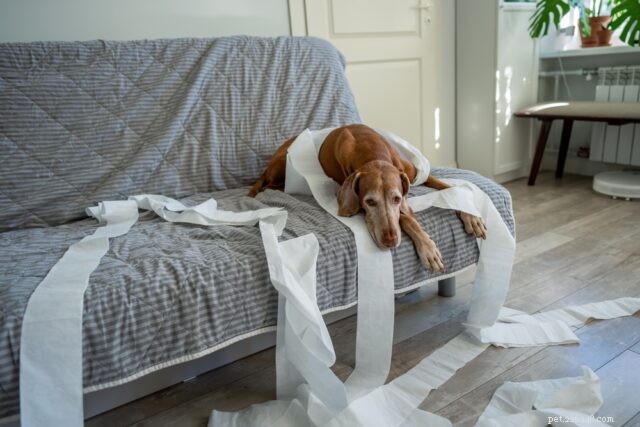
KEY TAKEAWAYS: Boredom can trigger anxiety and destructive behavior. Keep dogs stimulated with interactive toys, background music or TV, and long‑lasting chews. Consider a pet camera that dispenses treats and lets you talk to them, a dedicated play corner, or a window‑watching perch. For extra help, schedule a dog walker or occasional daycare visit.
All busy pet parents have felt that pang of guilt when leaving their dog alone for eight or more hours.
Even though many dogs spend a large portion of the day on their own, solitude doesn’t have to mean boredom, anxiety, or furniture damage.
With thoughtful preparation, you can keep your canine companion happy, mentally stimulated, and calm while you’re away.
In this guide we explain why dogs get bored, the signs to watch for, and 15 evidence‑based ways to keep them entertained while you’re at work.
Why Dogs Get Bored When Home Alone & How to Spot It
Dogs are inherently social. They thrive on interaction—whether with people or other animals. When left alone, they can experience:
- Excessive barking or whining
- Destructive chewing
- Scratching doors or windows
- Indoor or outdoor digging
- Restlessness and pacing
- Attention‑seeking when you return
- Damaged household items
- Frequent accidents despite house training
These behaviors often stem from lack of mental stimulation, excess energy, or separation anxiety.
2. Lack of Mental Stimulation
Dogs need both physical and cognitive challenges. Without them, idle time can turn into boredom.
3. Excess Energy
Under‑exercised dogs—especially high‑energy breeds—are prone to destructive play when they have nothing else to do.
4. Separation Stress and Anxiety
Separation anxiety can lead to howling, destructive behavior, and even self‑injury. It’s important to address this early with training and enrichment.
RELATED: 10 Ways to Treat Separation Anxiety in Dogs
Signs Your Dog Is Bored While Home Alone
Watch for:
- Excessive barking or whining
- Destructive chewing
- Scratching doors or windows
- Digging indoors or outdoors
- Restlessness
- Pacing
- Attention‑seeking behavior when owners return
- Damaged household items
- Frequent accidents despite house training
RELATED: 20 Signs of Stress in Dogs [Infographic]
15 Proven Ways to Keep Dogs Entertained While Home Alone
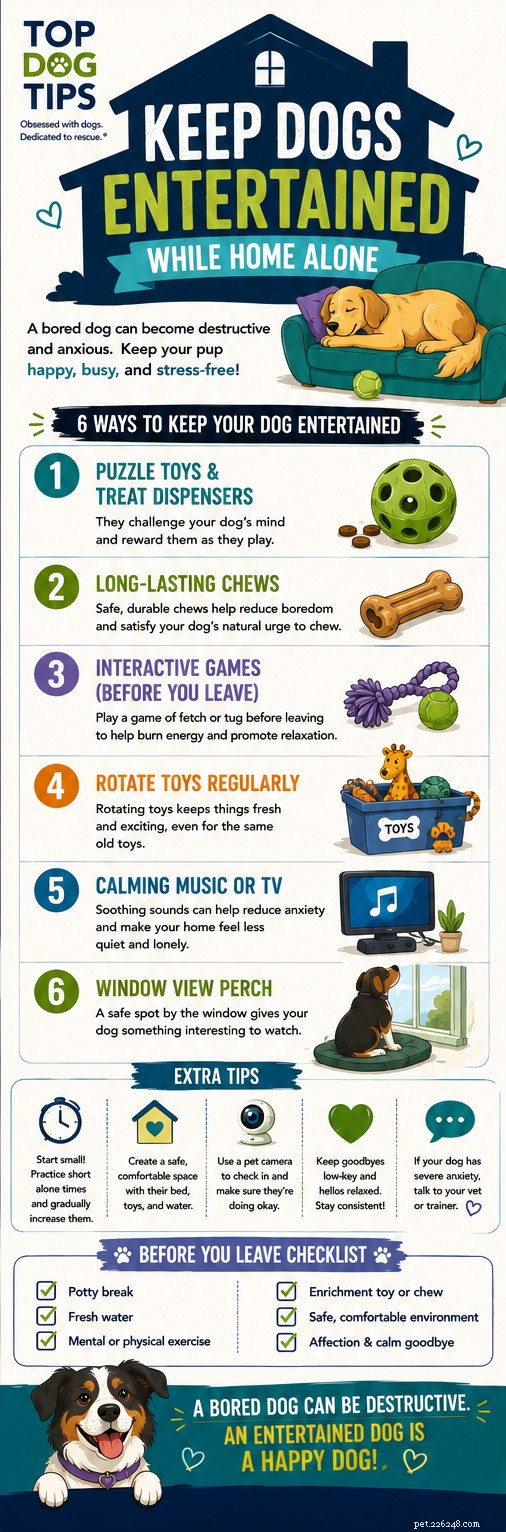
1. Interactive Puzzle Toys
Puzzle feeders and treat‑dispensing games challenge your dog’s problem‑solving skills and keep them occupied for hours.
Start with simple puzzles and gradually increase difficulty as they master each level.
2. Rotate Toys Regularly
Dogs can quickly become bored with the same toys. Maintain two toy boxes and swap contents weekly. Surprise your pup with a new item occasionally to maintain excitement.
3. Long‑Lasting Chews
Durable chews such as bully sticks, dental chews, or dried tendons provide hours of safe chewing. On hot days, frozen treats offer a cooling distraction.
RELATED: Recipe: Easy Frozen Dog Treat
4. Window‑Watching Station
Many dogs love to watch the world outside. Create a safe perch or ladder next to a window, and add a small storage bin for favorite toys. This visual stimulation can keep them content all day.
5. Snuffle Mats & Nose Work Games
Exploit your dog’s keen sense of smell with snuffle mats or hidden treat games. Spread treats across the mat and let your dog sniff them out—just keep treats within calorie limits.
RELATED: How To Train A Dog To Do Nose Work And Why You Should (Video Guide)
6. Freeze Treat‑Filled Toys
Durable toys like KONGs can be stuffed with peanut butter or cream cheese (ensure no xylitol). Freeze them to add a longer-lasting challenge.
RELATED: How To Stuff A KONG Dog Toy
7. Background Sounds
Classical music can calm dogs; louder genres may agitate them. Leave a gentle playlist, TV, or white noise machine on to provide a reassuring auditory backdrop.
Spotify offers several dog‑friendly playlists you can try.
8. Hide Treats Around the House
If your dog is allowed to roam safely, set up a scavenger hunt with strong‑smelling treats. This encourages natural foraging and keeps them engaged.
9. Pet Camera
Modern pet cams let you talk to your dog and dispense treats remotely. They provide real‑time monitoring and a sense of companionship.
RELATED: AI in Pet Care: 8 Artificial Intelligence Tools to Monitor Dog Health
10. Schedule a Midday Walk
Take advantage of a lunch break to walk your dog. If that’s not feasible, hire a professional walker or ask a trusted friend to visit.
RELATED: 8 Dog Walker Tips: How to Become One and Be Good At It
11. Safe Indoor Play Area
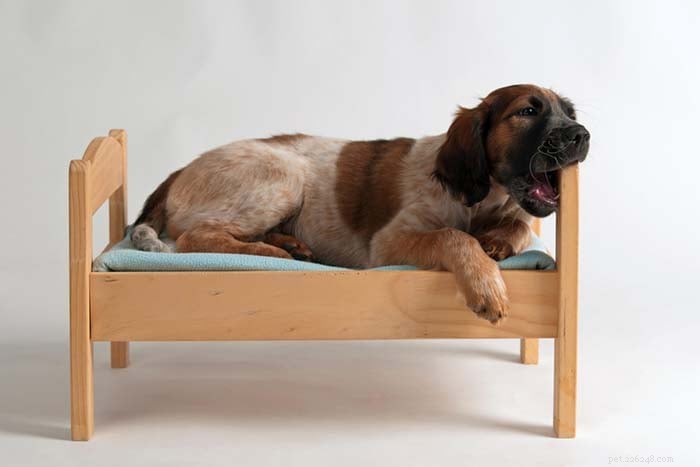
A designated play zone—using a small fence or crate—can contain mild anxiety and prevent destructive behavior. Line it with favorite toys, a comfy bed, and soothing music.
For severe anxiety, ensure your dog is crate‑trained beforehand to avoid panic.
12. Teach Independent Play Skills
From adoption, gradually introduce solo play. Reward your dog for engaging with toys on their own and slowly increase separation periods.
13. Variety of Textures & Activities
Include plush squeakers, light‑up rubber toys, and rope tug toys in your rotating selection to stimulate different senses.
RELATED: 10 Puppy Games Without Toys to Entertain Your Bored Fidos
14. Food‑Enrichment Activities
Slow feeders, treat puzzles, and scatter feeding outdoors tap into natural foraging instincts and keep dogs mentally occupied.
15. Doggy Daycare (Occasionally)
While it can be costly, occasional daycare provides social interaction and a change of environment for highly social breeds.
RELATED: Is Dog Daycare Good For Dogs?
FAQs
1. How can I prepare my dog before I leave home for work?
Give them a thorough walk or play session to burn energy. Ensure a potty break, and provide a puzzle toy or chew. Keep departures calm and routine to reduce anxiety.
2. How long can dogs be left alone at home?
Most adult dogs tolerate 4–8 hours of solitude, but this varies with age, bladder control, and temperament. Puppies, seniors, and medically fragile dogs need more frequent breaks.
RELATED: 8 Dangers of Leaving Your Dog Home Alone for Long
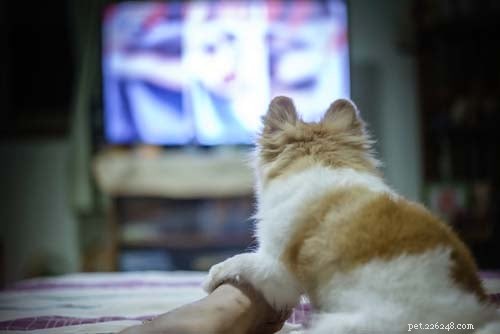
3. Can dogs watch television?
Some dogs respond to moving images and sounds on high‑definition screens, especially those that feature animals or familiar noises. Interest varies by individual.
4. Should I leave the lights on for my dog when I leave?
Dogs can see well in low light, so lighting isn’t essential. However, a gentle light or background noise can provide comfort for anxious pets.
Keep Your Dog Entertained While Home Alone!
Prevent boredom, anxiety, and destructive habits by trying these strategies. Every dog is unique—experiment to discover what works best for your furry friend.
Related Articles
- 30 Ways to Entertain a Bored Dog
- The 7 Best Dog Daycare Alternatives for Any Occasion
- Dog Died of Starvation After the Owner Left Him Alone for 2 Months
Comments are closed for this post.
- Pet Behavior
- Pet Breeds
- Pet Names
- Pet Adoption
- Pet Training
- Cat Stories
- Pet Health
- Adorable Pets
- Cats
- Essential 4th of July Pet Safety Guide: Keep Dogs & Cats Safe
- Why Dogs Bring Toys to the Door: The Surprising Reasons Explained
- 6 Expert Tips for Safe Dog Walks in the Rain
- Do Male Tarantulas Die After Mating? A Deep Dive into Their Life Cycle
- Top 7 Dog Poop Bag Holders of 2022 – Durable, Convenient Picks for Every Walk
- Goldendoodle Yakky Survives Kidney Mass Surgery – A Heartening Recovery Story
- Step-by-Step Guide to Safely Treat Cat Burns