

Preventing Dog Fights at Home: Expert Strategies for Multi‑Dog Households
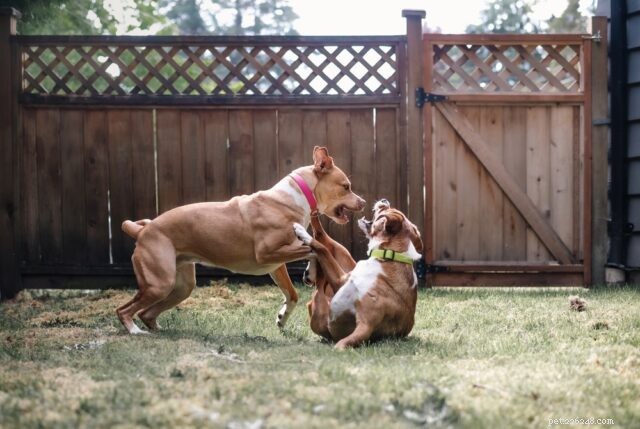
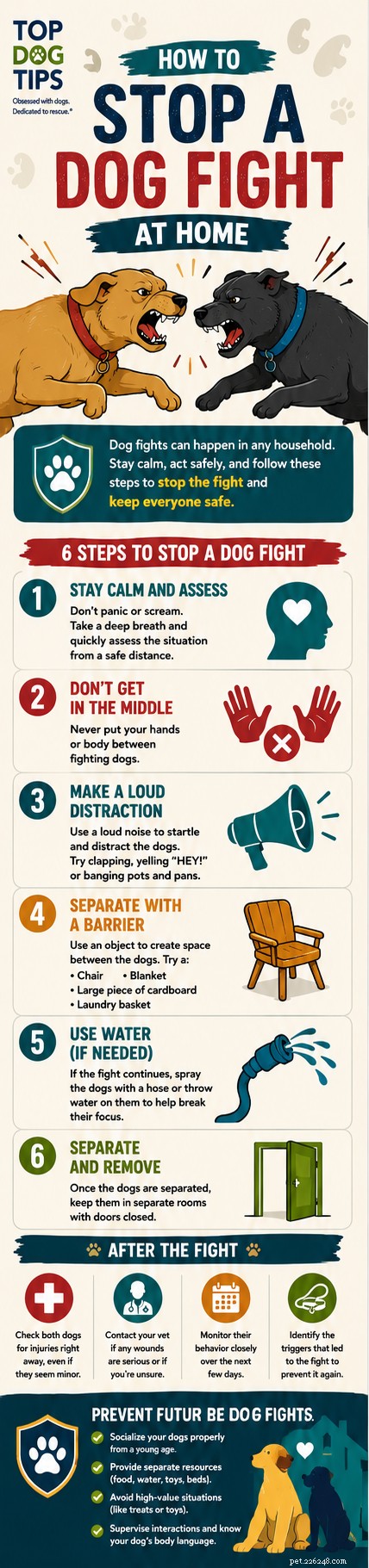
KEY TAKEAWAYS: Never prop your hand between dogs during a fight. Instead, generate a sudden loud noise to startle them, insert a physical barrier, calmly separate each dog, and inspect for injuries. Contact a veterinarian if serious wounds are present.
One moment your dogs share the living room peacefully, the next they growl, snap, or fight over what seems like nothing.
Dog fights at home are not only frightening but can put everyone at risk. The good news is that many of these altercations are preventable once you recognize the underlying triggers and warning signs.
In this guide we cover why dogs fight at home, mandatory warning signs, mandatory self‑protective intervention steps, and long‑term solutions to curb aggression in a multi‑dog environment.
RELATED: TOP #69: How to Handle Aggressive Dogs
Why Dogs Fight at Home
Even litter‑mates who live together peacefully can unexpectedly start fighting. The main propellants include:
1. Resource Guarding
Dogs naturally guard what they value—food, chew toys, sleeping spots, or even human attention. Conflicts erupt when two dogs sense a must‑have resource is at stake.
RELATED: Possession Aggression in Dogs: The Ultimate Guide
2. Hierarchy & Dominance Mandates
Dominant dogs, especially unspayed or unneutered pets, may insist on control over a same‑sex companion. Biting or pushing is their way of asserting rank.
3. Fear & Anxiety
Inadequate training or poor socialization can leave a dog feeling threatened. The resulting frustration often surfaces as aggression toward the perceived threat.
4. Pain & Discomfort
A dog in pain will often snap or lunge to keep a rival at a distance. Even familiar friends can become hostile if one is injured.
5. Redirected Aggression
When a dog is provoked by an external stimulus—say, a squirrel outside—a spike in aggression can spill over onto household companions.
RELATED: 15 Facts About Fear Aggression in Dogs
When Previously Friendly Dogs Start Fighting
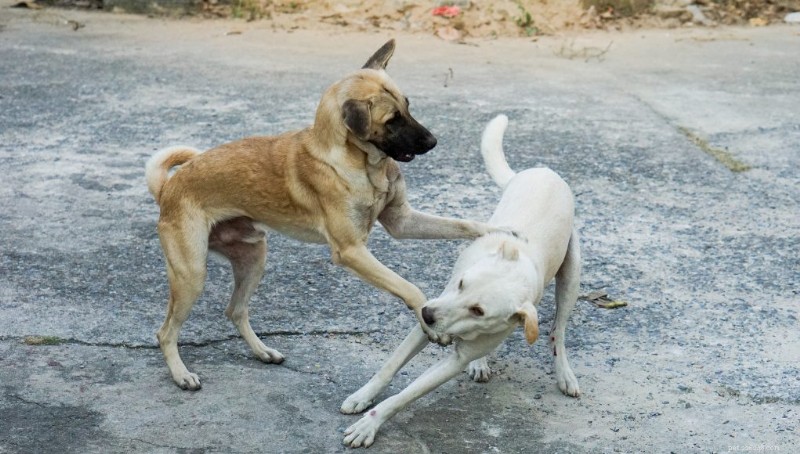
Changes in hierarchy, new household members, or stressors such as moving can upset established social dynamics. Aging, heightened confidence, or health issues may also trigger a reassessment of the dog‑dog order.
Warning Signs Before a Fight Breaks Out
Early detection is key. Watch for:
- Stiff posture
- Unblinking stare
- Raised hackles
- High, rigid tail
- Low growls
- Snarls or bared‑tooth growls
- Rapid barking
Immediate action is required if you observe a dog blocking access to a resource, hovering, or bullying another dog. Calmly step between them to insert a physical barrier that breaks eye contact, then move one dog to another room.
REMEMBER: Never intervene once a fight is underway. Placing your hand between fighting dogs can expose you to serious bites.
1. What NOT to Do During a Dog Fight
- Do not grab collars.
- Do not yell directly at the dogs.
- Do not physically step between them.
- Do not pick up the smaller dog.
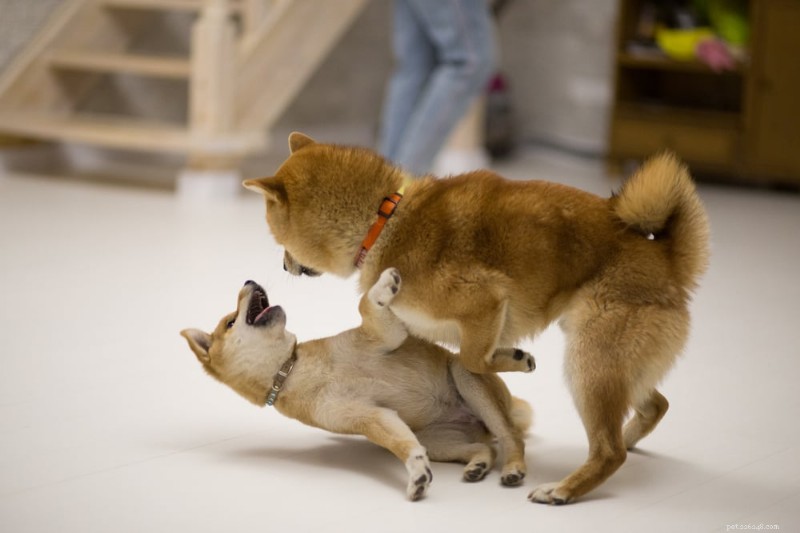
During a fight, dogs operate in a heightened “fight drive” and can redirect aggression toward anyone in their field of vision. Grabbing collars, picking up dogs, or yelling only fuels the aggression.
- Never punish a growl—growling is a communication signal.
- Never let dogs “work it out” on their own.
- Never ignore early warning signs.
- Never leave high‑value resources unsupervised.
- Never allow inconsistent household rules or routines.
2. Create a Distraction
Startle the dogs with a sudden loud noise from a distance—banging pots, blowing a whistle, or using an air horn. The interruption gives you a critical window to separate them safely.
3. Use Physical Barriers
Anything that can be moved between them—cushions, a chair, a board, or a blanket—serves to break focus and calm the dogs. The barrier should be placed at a safe distance and only once the dogs are distracted.
4. Separate the Dogs Safely
Immediately after distraction, move each dog to a different room. Allow time for them to de‑escalate and offer gentle reassurance with soft voice and touch. Avoid punishment; negative reinforcement can increase fear and future aggression.
If agitation persists, play calming music or issue simple commands such as “sit” or “stay” and reward compliance with treats.
RELATED: 10 Tips On How to Calm Down a Dog
5. Assess Injuries Immediately Afterward
While soothing each dog, examine for puncture wounds, limping, or signs of pain when touched. Provide first aid or contact your veterinarian promptly if wounds are serious.

Preventing Dog Fights at Home
Even the friendliest dogs can clash if environmental factors aren’t managed. Use these evidence‑based strategies:
1. Manage Valuable Resources
Assign each dog its own food bowls, toys, beds, and resting spots. Use pet gates or crates to define personal spaces and prevent territorial disputes. Remove highly contested items from shared areas.
2. Create Personal Space for Each Dog
Separate feeding stations and resting areas across rooms. If space is limited, individual crates can serve as safe zones. A dedicated “dog corner” design can reinforce personal territory (see Dog Corner Ideas: 12 Fun & Functional Spaces for Your Pet!).
3. Identify Each Dog’s Triggers
Keep a behavior journal tracking time, triggers, location, and involved dogs. Patterns will surface, allowing you to anticipate and mitigate high‑risk situations.
4. Provide Adequate Exercise & Mental Stimulation
Daily walks, fetch sessions, and agility play burn excess energy. Puzzle toys, scent games, and training sessions redirect focus and strengthen bonds.
5. Avoid Favoritism & Competition
Equitable attention prevents one dog from feeling possessive. Reward calm behavior consistently and share treats fairly.
When to Seek Professional Help
If fights recur, intensify, or involve serious injuries or aggression toward people, it is time to consult a certified behaviorist or trainer. Professional guidance can provide tailored interventions and safety plans.
RELATED: Dog Behaviorist vs Dog Trainer: Which One Is Right for You?
Dog Fight at Home FAQs
1. Can neutering or spaying reduce aggression?
Spaying or neutering lowers hormone‑driven behaviors such as roaming or mounting and can diminish some forms of same‑sex aggression. However, fear‑based or learned aggression often requires training and behavior modification.
2. How much exercise does a dog need to stay mentally balanced?
Adult dogs typically benefit from 30–120 minutes of physical activity daily, depending on breed, age, and energy level. Coupled with mental stimulation, this regimen reduces the likelihood of problem behaviors.
3. How do I know if my dog is playing or becoming aggressive?
Play includes loose movement, play bows, and role reversals. Aggression shows stiff posture, prolonged stare, tense growls, snapping, or escalating intensity. Intervene when interactions become rigid or a dog attempts to escape.
RELATED: Dog Isn't Playful Anymore: What Could Be the Problem?
Final Thoughts
The best way to stop a dog fight at home is proactive: identify triggers, enforce structure, and intervene early. Consistency and clear boundaries are the foundation of a harmonious multi‑pet household.
Want to dive deeper into aggression, multi‑pet dynamics, and dog fights? Explore our related articles below.
Related Articles
- Dog Fights: An Informative Guide On How To Stop Them
- What You Need To Know Before Becoming a Multi‑Dog Household
- Best Aggressive Dog Training Tips And What You Shouldn't Do
Comments are closed for this post.
- Pet Behavior
- Pet Breeds
- Pet Names
- Pet Adoption
- Pet Training
- Cat Stories
- Pet Health
- Adorable Pets
- Cats
- Why Cats Knock Over Items: Expert Insights for Owners
- Baylor Receiver Ishmael Zamora Accused of Dog Abuse in Viral Video
- Mastering Scent Work: A Beginner's Guide for Dogs and Their Owners
- CBD Oil for Dogs: Do the Benefits Match the Buzz?
- Do Cats Dream? Exploring the Science Behind Feline Sleep
- Twitter Helps Troy Police Recruit Feline Officer
- Word(less) Wednesday: Discover the Meaning of 'Ohana' with Ohana Puppies