

Cat Food Allergies: Symptoms, Diagnosis, and Expert Management
If you’re a cat owner, you know how distressing allergies can be. While more common in humans, cats can also develop food allergies that trigger itchy skin, gastrointestinal upset, and in severe cases, anaphylactic reactions.
Food allergies rank as the third most common type of allergy in cats, following flea and environmental allergies. They stem from an immune‑system misidentification of a harmless food component—usually a protein—as a threat.
Unlike food intolerances, which merely irritate the digestive tract, food allergies provoke an immune response that can damage skin, gut, and even the respiratory system. Early, accurate diagnosis is essential to prevent serious complications.
Recognizing the Signs of a Food Allergy
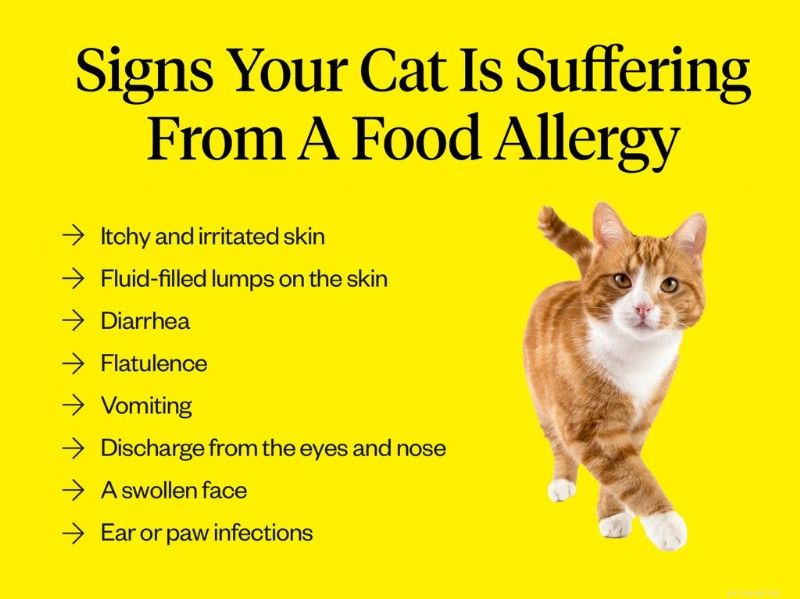
Common indicators include:
- Persistent itching and redness
- Fluid‑filled bumps or hives
- Diarrhea or flatulence
- Vomiting
- Discharge from the eyes or nose
- Facial swelling
- Ear or paw infections
Documenting when these symptoms occur—especially after meals—helps your veterinarian pinpoint the culprit.
Foods Most Frequently Triggers Allergic Reactions
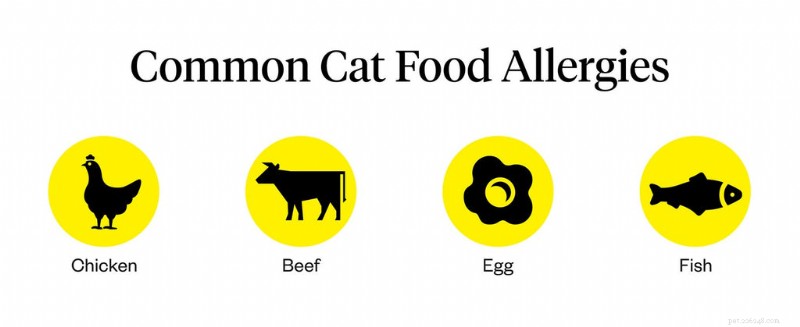
While grain‑based foods are often blamed, the most common allergens are animal proteins frequently found in commercial cat food:
- Chicken
- Eggs
- Beef
- Fish
When to Seek Veterinary Care
If your cat displays the symptoms above, schedule a vet appointment to confirm an allergy and rule out other illnesses.
However, if your cat struggles to breathe, vomits forcefully, drools excessively, or shows signs of disorientation after eating, treat it as a potential anaphylactic emergency. Prompt veterinary intervention—including epinephrine, antihistamines, steroids, and IV fluids—can be life‑saving.
Learn more about treatment options.
Talk to a Vet at Dutch Today and Put Your Cat’s Allergies Under Control
- 24/7 care from top‑rated veterinarians
- Unlimited vet calls & messaging
Diagnosing Food Allergies in Cats
There is no definitive blood, skin, or saliva test for feline food allergies. The gold‑standard remains an elimination diet trial guided by a qualified veterinarian.
The trial lasts 8–12 weeks and involves feeding a hypoallergenic diet that the cat has never eaten before. Two common approaches are:
- Novel‑ingredient diet—uses proteins not previously consumed by the cat, such as rabbit, venison, or kangaroo.
- Hydrolyzed diet—breaks down common proteins (e.g., chicken) into tiny peptides below the allergenic threshold.
Strict compliance is critical. Even trace amounts of non‑hypoallergenic foods, treats, or propolis must be avoided. If your cat resists the new diet, consult your vet promptly; alternative hypoallergenic options may be necessary.
After the elimination period, a “challenge” phase reintroduces the original diet. A recurrence of symptoms confirms an allergy. The specific offending ingredient is identified by re‑introducing individual components from the original diet, one at a time, while monitoring for a flare‑up.
Treating Cat Food Allergies

There is no cure; management hinges on lifelong avoidance of the trigger ingredient. Careful label review and consultation with a veterinary nutritionist are essential. Prescription or vet‑recommended hypoallergenic foods are ideal. Self‑prepared homemade diets can work if balanced for essential nutrients, but professional guidance is strongly recommended.

Keeping Your Cat Safe from Allergic Triggers
Regular monitoring of food, treats, and supplements protects your cat from inadvertent exposure. If a severe allergic reaction occurs, seek immediate veterinary care.
Talk to a Vet at Dutch About Managing Your Cat’s Food Allergies
- 24/7 care from top‑rated veterinarians
- Unlimited vet calls & messaging
- Pet Behavior
- Pet Breeds
- Pet Names
- Pet Adoption
- Pet Training
- Cat Stories
- Pet Health
- Adorable Pets
- Cats
- Protect Your Cat: The Ultimate Guide to Microchipping in 2024
- Understanding Cat Spraying: Causes & How to Stop It
- 17 Dogs Who Can't Wait to Meet Their UPS Delivery Driver
- Do Your Pets Have New Year's Resolutions? Fun Ways to Connect in 2015
- Do Dogs Experience Appreciation? Understanding Their Emotional Connection
- Effective Dog Training: Positive Reinforcement for Stronger Bonds
- Top 5 Tools for Easy & Hygienic Dog Waste Pickup